

Supreme Court Louisiana Ruling May Boost Black Voter Influence as Swing Voters

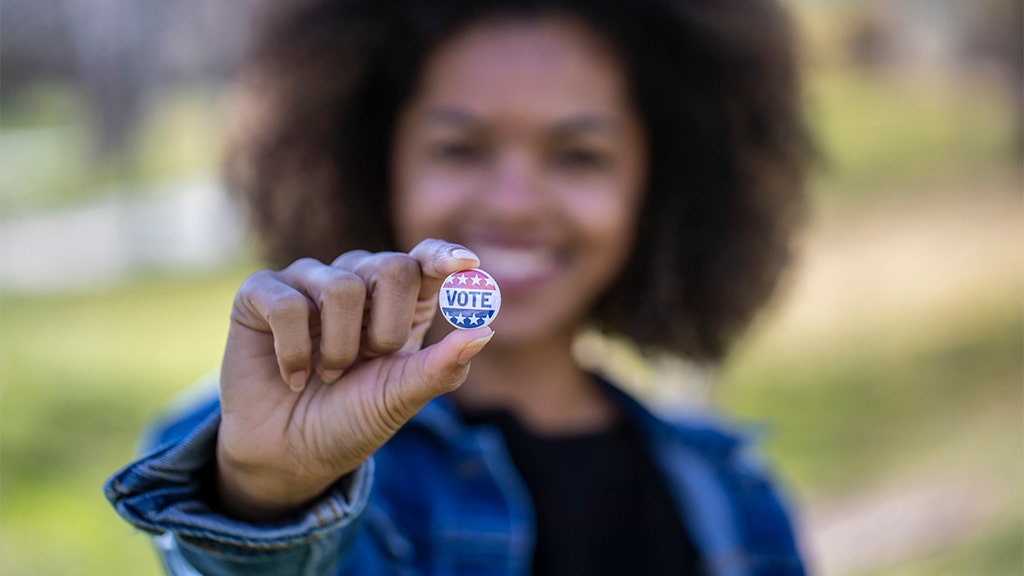
The Supreme Court decision in Louisiana v. Callais limits the use of race in drawing congressional districts. Many liberals call it a defeat for minority political influence. The New York Times editorial page stated, "The reality is that in the name of disentangling race from politics, the Supreme Court has given white voters more power at the expense of racial minorities."
Fewer congressional districts with Black majority populations may result. These districts often connect distant parts of communities to guarantee seats for African Americans. Louisiana's population is one-third Black. The current 2020 map, now under adjustment, has the 2nd District with nearly 50 percent Black population. That gives Black candidates an edge if race drives their votes. The nearby 3rd District has 21 percent Black population, 3 percent mixed-race and 6 percent Hispanic.
Black voters may gain more influence without such districts. Swing voters hold real power. An ambitious candidate could court minority voters to win, even without a Black candidate on the ballot. A centrist Democrat might pair minority swing voters with centrist whites to beat a Republican. Redrawn districts could have higher Black percentages than some current white-held seats.
Black candidates could also appeal to white voters based on philosophy. Five Black members serve in the U.S. Senate, though no state has a Black majority. South Carolina's Tim Scott represents a Confederate founding state.
Swing roles for Black voters could mean more competitive elections. Many Congressional Black Caucus seats are safe due to racial gerrymandering. In 2024, four of 57 members faced no opponent. That is a large share of Congress's 25 unopposed members. Safe seats build seniority, as with New York Minority Leader Hakeem Jeffries. But they also keep backbench critics like Texas Reps. Jasmine Crockett and Al Green in office.
Incumbency trumps token competition. California's Maxine Waters took 75 percent of the vote in 2024 against a Republican in her heavily Democratic district.
During 2025 oral arguments in the Louisiana case, Justice Brett Kavanaugh asked about a time limit on race in map drawing. This nods to hopes that, over 50 years after the Voting Rights Act, race need not decide ballots for white or Black voters.
Race-neutral districts focus on geographic compactness. Neighbors share concerns over schools, roads and parks. These issues unite more than race divides.
What's Your Reaction?
 Like
0
Like
0
 Dislike
0
Dislike
0
 Love
0
Love
0
 Funny
0
Funny
0
 Wow
0
Wow
0
 Sad
0
Sad
0
 Angry
0
Angry
0








Comments (0)