

Experimental drug helps immunotherapy shrink tumors in six cancers

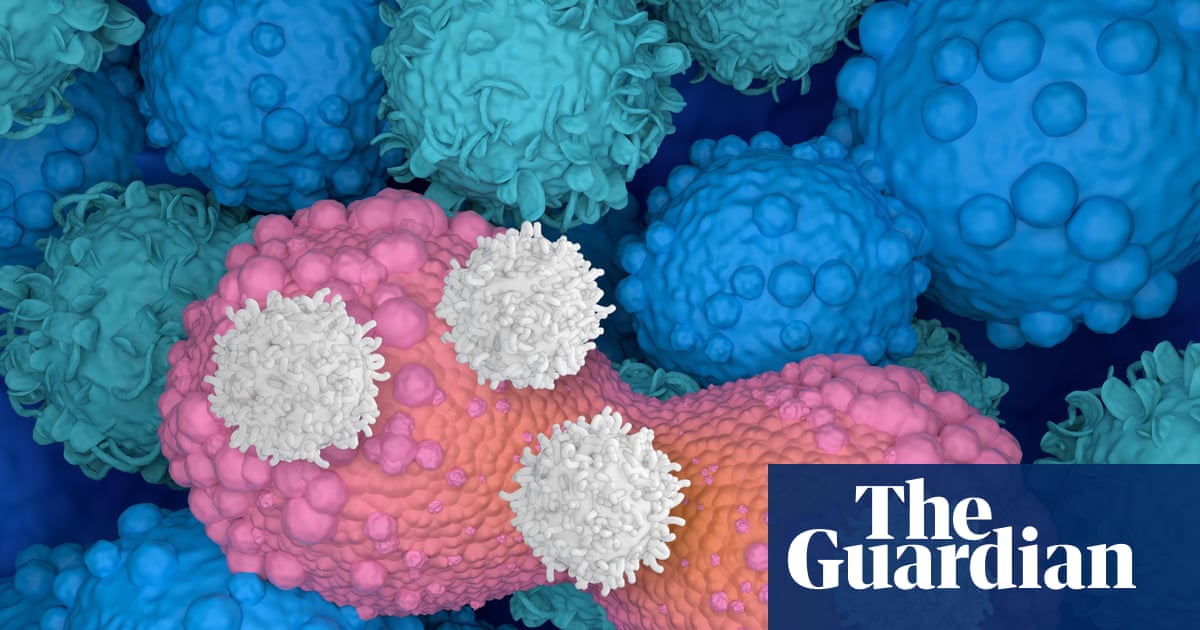
An experimental drug designed to stop cancer cells from hiding from the immune system shrank tumors by at least 30 percent in 15 of 83 patients across six common cancer types, early trial results show.
Researchers in Oxford developed the drug, GRWD5769, to block an enzyme called ERAP1 that tumors use to conceal themselves from T-cells. The drug was given alongside the immunotherapy cemiplimab in a trial conducted in the UK, France, Spain and Australia.
All participants had cancers that had stopped responding to prior treatment, including immunotherapy. The cancers included cervical, bladder, liver, bowel, lung and head and neck tumors.
Tumors shrank in 26 patients. The drug halted disease progression for at least six months in 18 percent of cervical cancer patients, 32 percent of liver cancer patients, 36 percent of bladder cancer patients, 38 percent of head and neck cancer patients, 51 percent of bowel cancer patients and 55 percent of lung cancer patients.
The tablets were developed by Greywolf Therapeutics and were taken at home. Side effects were limited, and the drug was tolerated well.
The findings were presented at the American Society of Clinical Oncology annual meeting in Chicago by Prof Fiona Thistlethwaite of the Christie NHS foundation trust in Manchester, the trial’s principal investigator.
Thistlethwaite said the results were impressive for an oral drug at this stage. She said further studies are needed but that the new mechanism helped immunotherapy work more effectively.
Prof Stefan Symeonides, the UK principal investigator from the University of Edinburgh, called the results exciting. Dr Samuel Godfrey of Cancer Research UK, who was not involved in the trial, said the outcomes were encouraging but that larger studies are required.
What's Your Reaction?
 Like
1
Like
1
 Dislike
0
Dislike
0
 Love
0
Love
0
 Funny
0
Funny
0
 Wow
0
Wow
0
 Sad
0
Sad
0
 Angry
0
Angry
0










Comments (0)