

EU membership path seen as key to Ukraine peace deal

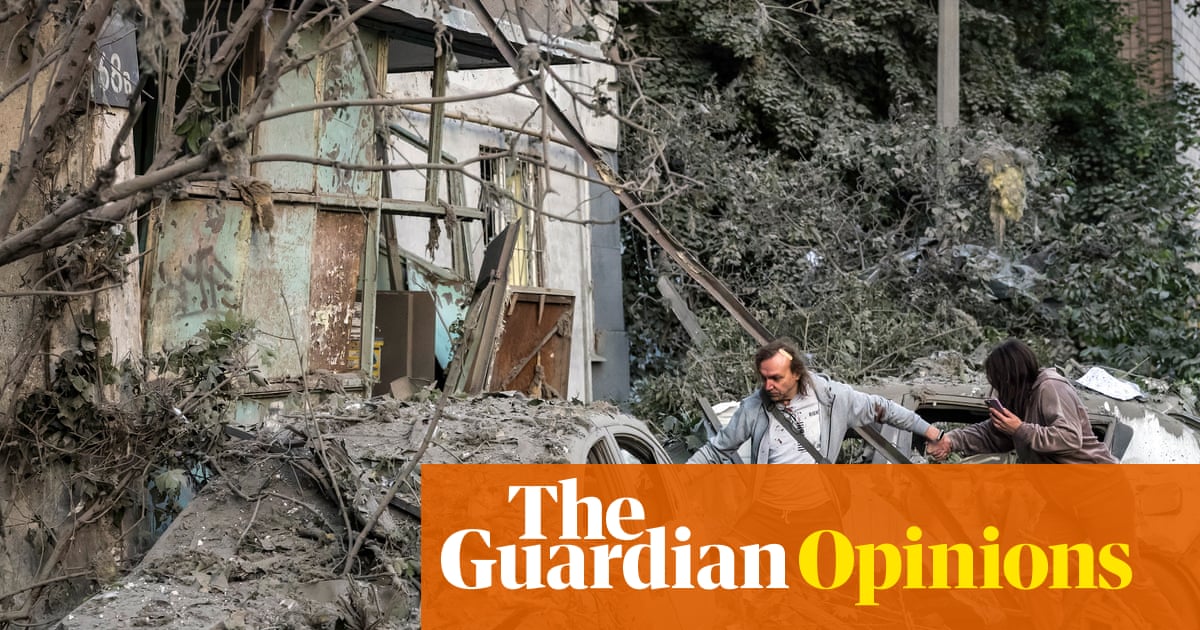
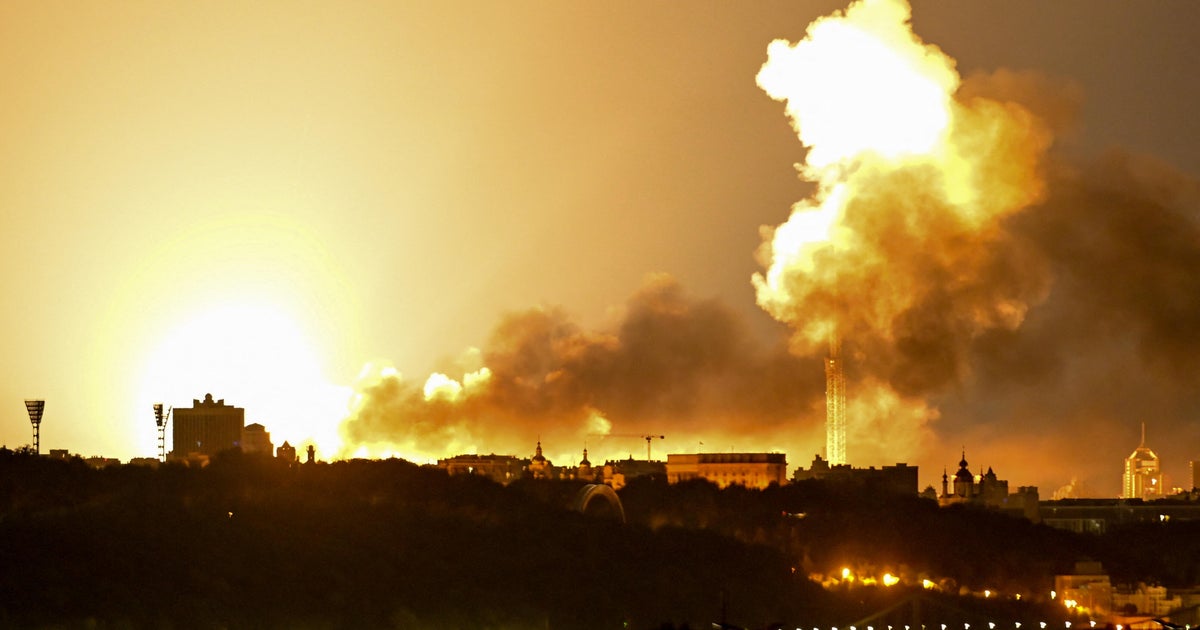
Russia’s war on Ukraine is now in its fifth year and a ceasefire remains elusive. The US’s attention is divided, limiting external pressure for compromise, while Moscow and Kyiv both still believe they can strengthen their respective negotiating positions through battlefield gains.
At some point, however, a deal will have to be done. The parameters of that deal are already understood by negotiators on all sides. Russia will give up on its original war aims and Ukraine will make de-facto territorial concessions. The US will provide Kyiv with security guarantees to deter future Russian aggression and the EU will provide Ukraine with a membership path as well as help with the country’s postwar reconstruction.
According to Ukraine’s constitution, any peace deal that Zelenskyy makes will have to be ratified by its parliament and possibly by the public in a referendum. The key to Zelenskyy being able to do a deal and sell it domestically will be the EU’s commitment to Ukrainian membership.
Ukraine joining the EU is important for several reasons. Taking on membership obligations will help drive reforms in Ukraine that root out corruption and better institutionalise the rule of law, in turn helping attract inward investment and reducing the postwar reconstruction bill for European taxpayers.
It would also equip the EU with much-needed leverage vis-a-vis the US, and ensure that European governments have a seat at the negotiating table in shaping the final agreement when that time comes.
The prospect of Ukraine joining the EU could also help to ward off a future Russian invasion. While article 42.7 of the EU treaties – the bloc’s mutual defence clause – is no substitute for the mutual defence pledge enshrined in article 5 of the Nato treaty, or for a US “backstop” to any European peacekeeping force in Ukraine, EU membership would nonetheless complicate decision-making for Russia’s military planners. This is especially important as long as Donald Trump or his Maga movement remain in power. It is for this reason that Ursula von der Leyen, the European Commission president, and António Costa, president of the European Council, are framing Ukraine’s accession as the most important form of security guarantee Ukraine could win.
The benefits are not all in Ukraine’s direction. Ukraine joining the club would make Europe a military and agricultural superpower. Not only does Ukraine have a far larger army than the UK, France or Poland – between 800,000 and 900,000 active military personnel, depending on how the numbers are counted – but it is also one with significant combat experience. Ukraine’s defence industry has proven highly adaptable, demonstrating leadership in areas such as drone innovation. As the US retreats from its pledge to keep Europe safe, it is Ukraine that can help the continent move toward greater military self-sufficiency.
For this to be a credible prospect, however, Ukraine’s inclusion in the EU will need to be almost immediate – closer to 2030 than 2040. But EU leaders are torn on this question. Despite their warm words in public, in private many oppose Ukraine’s membership.
The list of grievances is long. Given immigration pressures, many countries oppose granting Ukraine immediate free movement of labour. Fears of Ukrainian agriculture undercutting EU farmers makes others fearful of letting Kyiv have free movement of goods. Fierce opposition in France and Poland to the recent EU trade deal with the Mercosur countries of South America shows how difficult this issue will be.
EU capitals also have concerns over corruption and the rule of law in Ukraine, especially given the EU’s past ineffectiveness in addressing these issues in countries such as Hungary once they are in the club. Another challenge is how the EU would treat territories in the eastern Ukrainian Donbas region, whose sovereignty is likely to remain contested. While Cyprus’s EU membership could provide a template (EU law does not apply to Turkish-controlled Northern Cyprus), dealing with a hostile Russia would be far more complicated.
The budgetary implications would also be significant. Because Ukraine is agrarian and much poorer than the EU average, the funds needed to subsidise agriculture and economic catching up would be enormous, and result in significant transfers from southern, central and eastern Europe to Ukraine. Another challenge is that France and the Netherlands would probably need referendums to ratify Ukraine’s admission to the club. The precedent that Ukraine’s accession would set for other applicants in the western Balkans, along with Moldova and Georgia, is also a major worry.
None of these challenges are easy. Yet EU leaders in national capitals and Brussels are nothing if not ingenious, and they can surely find solutions, as they have in previous crises. During the Greek financial crisis, despite a no-bailout clause in the EU treaty, governments still managed to shovel well over €200bn to Athens between 2010 and 2018 to keep the country solvent and prevent an even more systemic crisis threatening the entire eurozone.
Sticking to the old, painstakingly slow system of EU “enlargement” would keep Kyiv stuck in the waiting room for the better part of a decade. Yet admitting Ukraine more quickly will require new thinking. One idea – for now rejected by the 27 governments – is “reversed membership”, whereby Ukraine would join the EU but not enjoy all of the benefits and rights on entry. Instead, Kyiv would negotiate its way into the single market in blocs and over time – but from inside rather than outside the club.
Another idea is the use of “safeguards”, whereby Ukraine would run the risk of losing funds, access to the single market and certain voting rights if Kyiv failed to follow through on reforms. To manage the budgetary implications of rapid membership, long-term opt-outs could be put in place, meaning Kyiv would only gain full access to EU funds after 10, 15 or 20 years. German chancellor Friedrich Merz’s recent proposal of “associate membership” nods in this direction, even if his suggestion landed badly. Full membership would be a long-term aspiration. After all, many existing member states are still not part of the eurozone or Schengen free-travel areas.
None of this is easy. But the alternative – possibly jeopardising a Ukraine-Russia peace deal – is surely more untenable. If war continues, it cannot be because EU leaders failed to recognise the importance of this moment in offering Ukraine the credible and speedy path to EU membership it needs – and deserves.
What's Your Reaction?
 Like
0
Like
0
 Dislike
0
Dislike
0
 Love
0
Love
0
 Funny
0
Funny
0
 Wow
0
Wow
0
 Sad
0
Sad
0
 Angry
0
Angry
0

Comments (0)