

Phyllis Schlafly's Daughter Argues Taxpayer-Funded Day Care Harms Families

Feminism has changed the way women think, and it has changed the way men think, but the trouble is, it hasn't changed the attitudes of babies at all," said Phyllis Schlafly, according to her daughter.
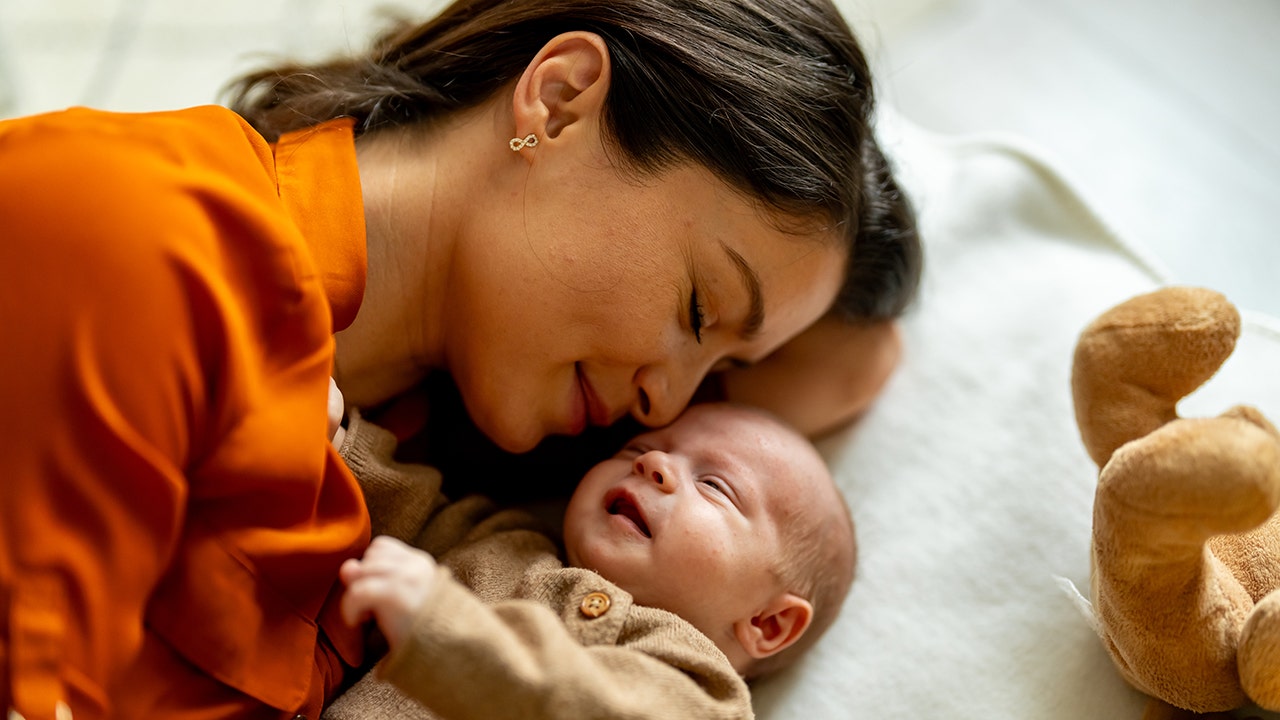
The daughter said she is fortunate her mother put babies first. In the 1960s and 1970s, a new ideology held that women do not need or want either men or babies. Phyllis Schlafly lived a fulfilling life centered on her husband and children, in opposition to the idea that single women are happier alone.
The daughter said she benefited as her mother's child from that focus on babies. The current low birth rates stem not from a lack of government money but from a culture that tells young women to put career first and views men as expendable, she wrote. Today, 40 percent of births in the United States occur outside marriage, and marriage benefits the child.
Children raised by a married mother and father are the most privileged group in America, she said. They are more likely to finish school, get employed, earn more money, be happier and healthier, and start their own families.
Intact families should be celebrated, not punished by bad tax policies, she argued. A true choice for mothers is to nurture their own children rather than face economic and social pressures to use institutional day care. Mothers should not be economically punished for raising their own children.
Babies were Phyllis Schlafly's first priority. She would engage any baby or toddler she saw in public in conversation. Today, digital interactions have replaced much face-to-face communication, and daily spoken word counts have dropped. Texting cannot substitute for talking. Babies need to hear a rich variety of words to develop speech, especially the sound and inflection of their mother's voice. Institutional day care cannot match a mother's nurturing chatter.
Phyllis Schlafly saw feminist ideology as devaluing motherhood. She created an award for the Full-time Homemaker of the Year to honor women who prioritize their babies. She asked whether women would rather take orders from a boss in an office or manage their household from their kitchen. She rejected the phrase "working mothers" for employed women, saying, "all mothers work all the time."
Taxpayer-paid day care reflects a misplaced view of who should care for young children. Young children want and need their parents, not a nanny state. Government welfare programs encourage family disintegration by leading mothers to seek government support rather than support from fathers. Subsidized day care undermines the family by diminishing the provider's role at home. Americans should consider whether it is wise to encourage mothers to leave babies with government employees. Most mothers want paid work inside the home or flexible schedules that let them prioritize family.
At Eagle Forum, the group believes in public and private virtue: taxpayer money should be spent wisely, and families should control their households. If Congress wanted to help families, it should raise the dependent deduction on income taxes. Those savings would go directly to families without a government intermediary.
Under taxpayer-paid day care, several groups lose out. Children lose because they want mother care, not day care; mother care is priceless. Mothers lose because no one cares as much about their child as they do; day care workers cannot match that emotional investment. Day care workers lose because wages stay low, and more supply will not raise pay. Taxpayers lose because government payment drives up prices, as seen in college and health care costs. Stay-at-home mothers lose because they get no subsidy for raising their own children despite resisting pressure to work outside the home.
Winners include day care bureaucrats, who expand business models with funds going to administration rather than workers, shifting the industry to large institutions. Politicians win by appearing to give money to people.
No job is more vital than motherhood. The piece honors mothers who choose it.
What's Your Reaction?
 Like
0
Like
0
 Dislike
0
Dislike
0
 Love
0
Love
0
 Funny
0
Funny
0
 Wow
0
Wow
0
 Sad
0
Sad
0
 Angry
0
Angry
0







Comments (0)