

UK energy bills to rise 13 percent in July as Iran war lifts gas prices

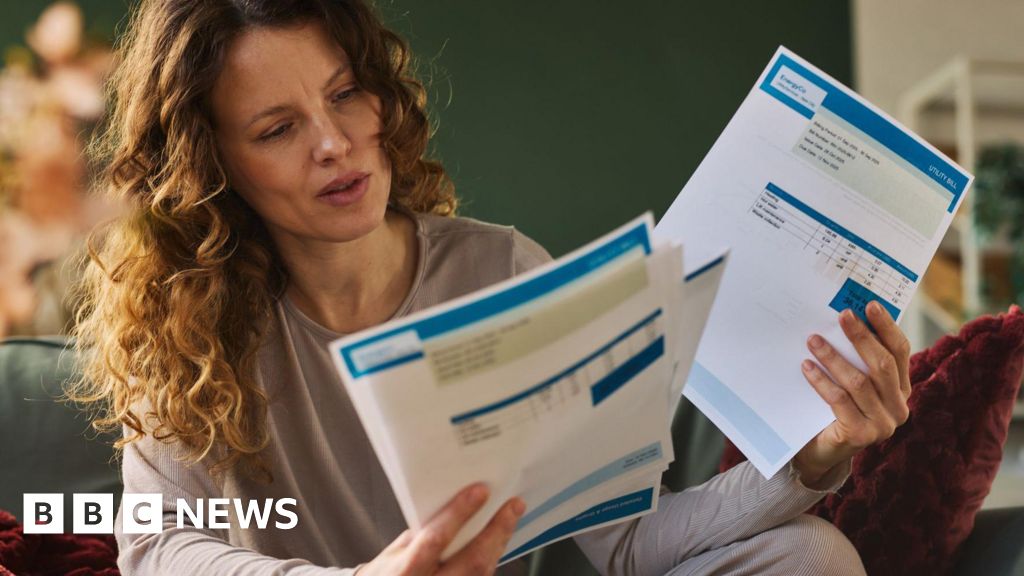
Household energy prices will rise sharply in July as soaring wholesale costs caused by the Iran war hit UK bills for the first time.
On Wednesday, regulator Ofgem will publish details of its new price cap affecting millions of homes on variable tariffs in England, Scotland and Wales.
Analysts predict a rise of 13 percent on the current cap, which would mean a household using a typical amount of gas and electricity paying £209 a year more than now, with an annual bill of £1,850.
The announcement comes during a record-breaking heatwave across much of the UK, but experts say people can act now to reduce bills later in the year.
The price cap is set every three months. Domestic energy bills fell by 7 percent between April and July, following a shake-up in charges by the government.
That change was announced just before the outbreak of the conflict in Iran. However the cap from July to September will reflect the 25 percent increase in the global price of gas caused by the war, particularly the effective closure of the Strait of Hormuz.
The wholesale price, paid by suppliers, makes up about 40 percent of a household gas and electricity bill. Some energy suppliers have forecast that energy prices could move even higher by the autumn and winter.
The government has said it is working on plans to provide targeted support for those most in need before bills become even more expensive into the winter, when households use more energy.
A typical household is already paying about £600 a year more than before the price shock of 2022-23. Billions of pounds is owed to suppliers in unpaid bills, and many people with disabilities have high energy use throughout the year to run specialist equipment.
The energy price cap covers around 19 million households in England, Wales and Scotland. Regulation and bills are different in Northern Ireland.
The cap fixes the maximum amount customers can be charged for each unit of gas and electricity via variable tariffs. Millions of people have fixed tariffs and are unaffected because their price will not change until the end of their fixed term.
The cap is illustrated by Ofgem by calculating the annual bill for a typical household using 11,500 kWh of gas and 2,700 kWh of electricity a year with a single bill for gas and electricity, settled by direct debit.
Ofgem is considering whether to reduce what it believes to be a typical level of energy use, because many households have cut back owing to high prices of recent years, and energy efficiency has improved.
What's Your Reaction?
 Like
0
Like
0
 Dislike
0
Dislike
0
 Love
0
Love
0
 Funny
0
Funny
0
 Wow
0
Wow
0
 Sad
0
Sad
0
 Angry
0
Angry
0





Comments (0)