

RMDs from $100,000 Retirement Account Range from $3,774 to $5,650 by Age

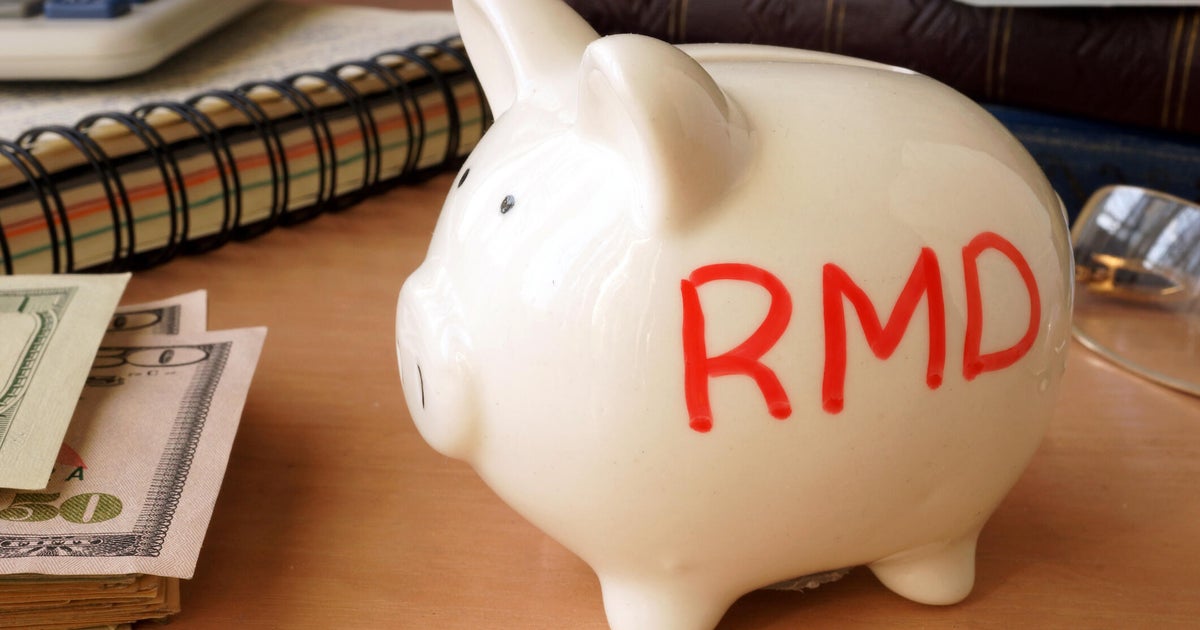
A $100,000 retirement account looks substantial, but new research finds Americans believe $1.46 million is needed to retire comfortably. A report from earlier this year showed the typical U.S. worker has saved only $955 for retirement. Savings are just one factor in retirement planning. Understanding required minimum distributions, or RMDs, matters as much.
Federal law requires withdrawals from retirement accounts at a set age, whether savers want to or not. Taxes apply to distributions from tax-deferred accounts like 401(k)s and IRAs. Knowing the withdrawal amounts helps with tax planning.
Retirees generally start RMDs at age 73. The IRS calculates the amount by dividing the account balance by a life expectancy factor from the Uniform Lifetime Table. That factor drops each year, so required withdrawals rise.
For a $100,000 account, the IRS table yields these annual RMDs:
Age 73: $3,774 ($100,000 ÷ 26.5)
Age 75: $4,065 ($100,000 ÷ 24.6)
Age 77: $4,367 ($100,000 ÷ 22.9)
Age 79: $4,739 ($100,000 ÷ 21.1)
Age 83: $5,650 ($100,000 ÷ 17.7)
Withdrawals for those ages thus range from $3,774 to $5,650. Taxes on these amounts from tax-deferred accounts reduce the net proceeds. Plan for that hit.
Gold and silver can help protect a retirement portfolio. Limit precious metals to 10% or less of holdings, depending on age. The metals hold value and often gain during market downturns, inflation or rising rates. Recent price charts show gains amid surging inflation and spiking interest rates.
Neither metal generates income. Still, both have set price records lately. In the current economy, they offer profit potential on sale.
Annual RMDs from a $100,000 account run $3,774 to more than $5,600 by age. Those distributions raise taxes. Precious metals like gold and silver aid diversification and protection during withdrawals. Consult a financial advisor for personal guidance.
What's Your Reaction?
 Like
0
Like
0
 Dislike
0
Dislike
0
 Love
0
Love
0
 Funny
0
Funny
0
 Wow
0
Wow
0
 Sad
0
Sad
0
 Angry
0
Angry
0










Comments (0)