

Spirit Airlines Collapse Follows Biden DOJ Block of JetBlue Merger

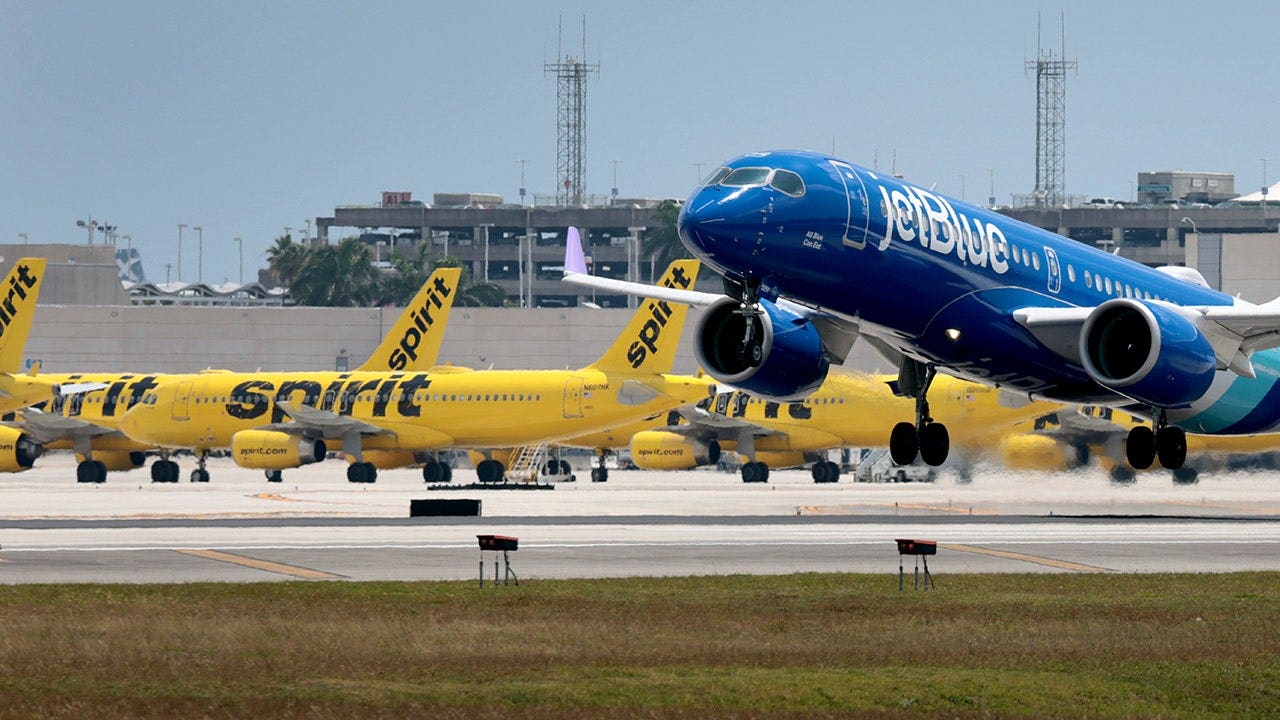
Spirit Airlines ended operations on May 2 after years of financial struggles, stranding travelers and putting as many as 15,000 employees out of work. Smaller airports lost one of their few travel options, and market power shifted further to the big four carriers -- Delta Air Lines, American Airlines, Southwest Airlines and United Airlines -- which control about 75 percent of the nation's air travel market.
The collapse traces back to a failed merger. In 2022, JetBlue and Frontier Airlines bid for Spirit, the three discount carriers holding less than 15 percent of the market combined. JetBlue and Spirit agreed to merge and challenge the big four, but the Biden Justice Department's Antitrust Division, led by Assistant Attorney General Jonathan Kanter and backed by Transportation Secretary Pete Buttigieg, sued to stop it. Sen. Elizabeth Warren urged the Transportation Department to block the deal in a 2023 letter.
A federal judge ruled for the administration, and JetBlue dropped the acquisition. Kanter called it a victory for travelers who deserve lower prices and better choices. Sen. Chris Murphy said it would return power to regular people.
Spirit filed for bankruptcy 18 months ago and now is gone. Warren, who two years earlier called the block a Biden win for flyers, blames Trump for the final blow.
Similar dynamics appear elsewhere. The Justice Department also blocked a Kroger-Albertsons merger, reducing competition among smaller grocers facing larger rivals. Lawmakers target Amazon and Apple with breakup legislation, backed by some Republicans. Biden's Federal Trade Commission, under Lina Khan, worked with European Union regulators on restrictions for U.S. firms abroad.
Removing a discount carrier like Spirit will raise prices across the board. Candidates promising affordability this election season should account for their stances on the merger.
What's Your Reaction?
 Like
0
Like
0
 Dislike
0
Dislike
0
 Love
0
Love
0
 Funny
0
Funny
0
 Wow
0
Wow
0
 Sad
0
Sad
0
 Angry
0
Angry
0







Comments (0)