

MLB's Automated Strike Zone Leads to Record Walk Pace and Better Umpire Accuracy

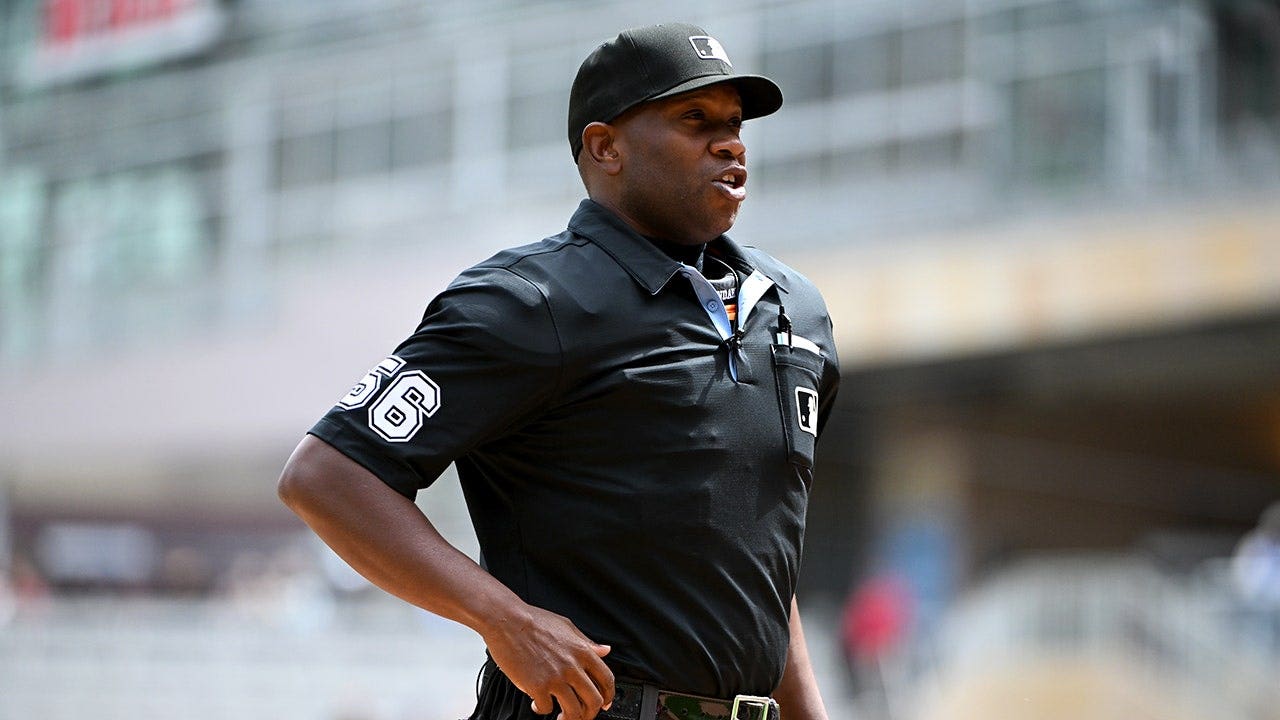
Major League Baseball rolled out the automated balls and strikes system ahead of the 2026 regular season to curb egregious missed calls that have swayed games in the past. The system has performed as intended and added a strategic layer to the two allotted challenges per team.
Overturned calls have already altered game results, handing hitters extra chances at the plate or allowing pitchers to escape innings. The changes have also produced surprises, especially in walk rates. MLB adjusted the strike zone based on hitter height, prompting umpires to call fewer strikes as they grow cautious about challenges and adapt to the new boundaries.
Hitters have noticed and waited out pitchers longer, pushing league-wide walks to a record pace. Umpires have also posted their highest accuracy rates yet, aided by the ABS setup.
ESPN's Jeff Passan discussed this on "The Rich Eisen Show." MLB provides umpires with in-game feedback through two-way microphones linked to the ABS operator.
"MLB has done a decent job of giving umpires the ability to get in-game feedback," Passan said. "Umpires have the two-way microphone and they can talk to the ABS operator and be told, 'hey, you're calling strikes a little bit off the plate, bring it in a little bit.'"
"That real-time feedback has helped, and it's great," he added. "I understand that hitters want a consistent zone, but I think more than anything, they just want the correct calls. Because they have their idea of what a strike is too, and as close as umpires can come to replicating that, I think the better the game is."
Details remain sparse on how many umpires use the feedback, whether it is required or voluntary, and its frequency. Still, the system and challenges have cut down on-field disputes over balls and strikes, reduced bad calls and improved play overall.
What's Your Reaction?
 Like
0
Like
0
 Dislike
0
Dislike
0
 Love
0
Love
0
 Funny
0
Funny
0
 Wow
0
Wow
0
 Sad
0
Sad
0
 Angry
0
Angry
0










Comments (0)