

Iranians Fear Entrenched Regime Will Seek Revenge After War

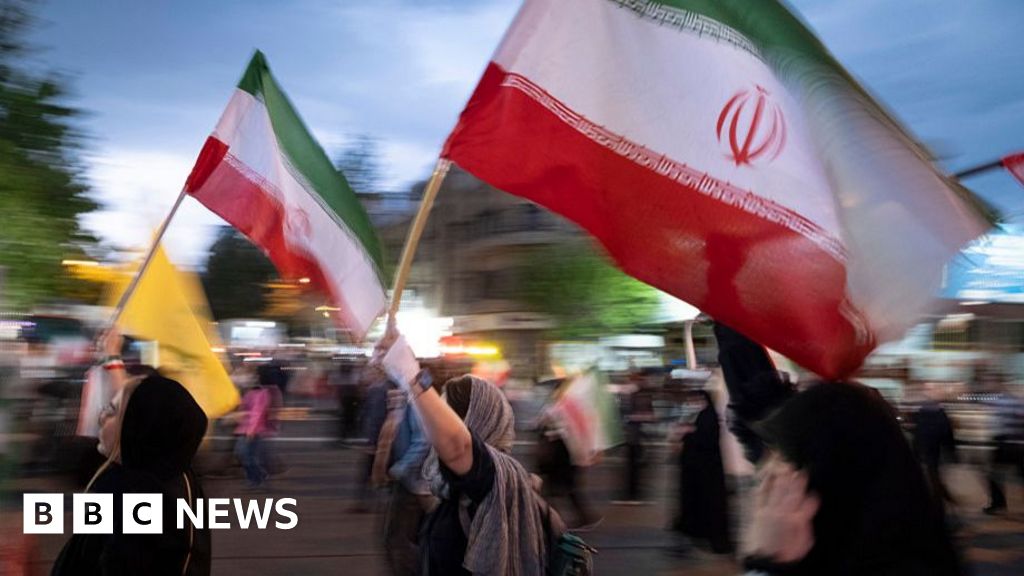
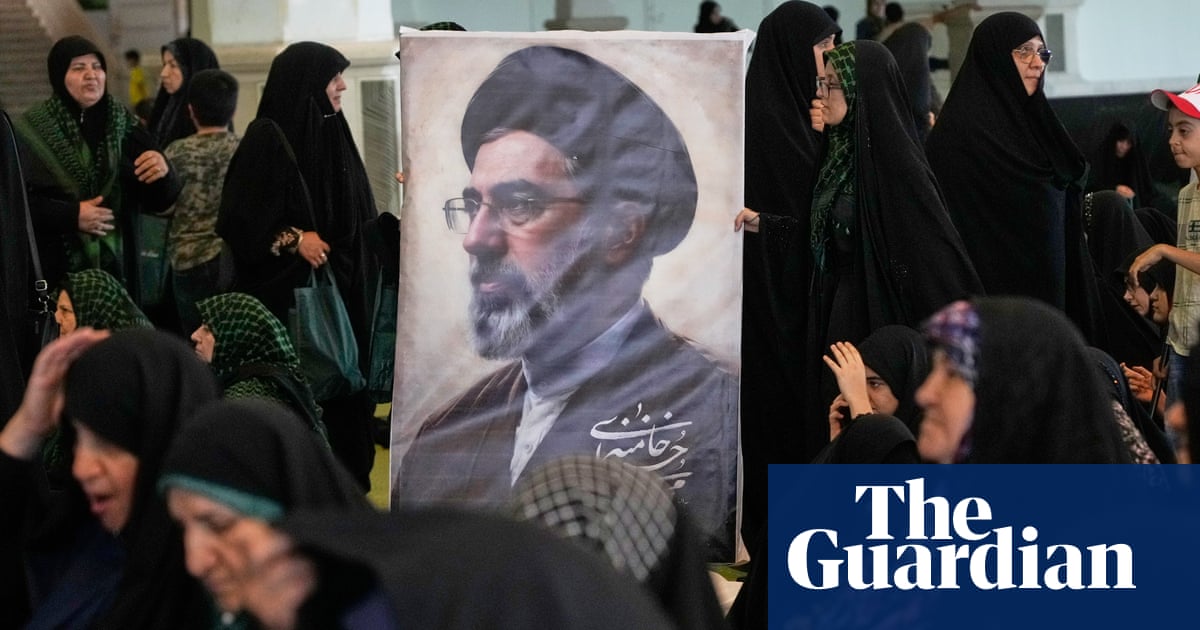
The faces of assassinated leaders and new rulers dominate Iran's public spaces, from streets to television screens. Protests have faded, a war has ended in ceasefire, but the Islamic Republic regime endures.
Iranians who spoke to the BBC inside the country say the regime has become more deeply embedded and vengeful, not weaker.
Sana and Diako, a young middle-class couple in Tehran who use pseudonyms, met a BBC-assisted journalist near a park during the ceasefire. Diako hopes for improvement. "Things will change," he says. "It's already changed."
Sana laughs. "Changed?" she asks. "It's fallen into the hands of the Revolutionary Guards. The country is a mess."
Sana's views shifted during the U.S. and Israeli attacks on Iran. At first, she opposed the war. Midway through, she felt joy at the deaths of key figures. But as fighting continued, she realized the loss of Supreme Leader Ayatollah Ali Khamenei and other seniors did not bring a more compromising regime.
"So many of their people are still standing. What I had imagined did not come true. Everything got worse. And we are left with the Islamic Republic. I am gutted that they won this war," she says.
Support for the regime remains hard to gauge. Its backers hold public solidarity events, while opposition rallies are banned.
BBC sources spoke to opposition activists, human rights lawyers and independent journalists who expressed foreboding. They fear the state will intensify internal repression after the war.
The Washington-based Human Rights Activists News Agency reports more than 53,000 arrests during last January's anti-regime protests, before the war. Thousands more have been detained since.
Executions of political detainees hit a record during the war: 21 hangings, the most in such a short period in over 30 years. Nine were tied to January protests, 10 to alleged opposition group membership, and two to spying accusations.
Susan, a lawyer using a pseudonym who works with detainees, says prison conditions have worsened. "Before the war, harsh treatment was reserved for those who were leading the protests, who had Molotov cocktails, or who were armed. But during the war, that harshness has intensified significantly."
The conflict divides families. Susan's parents back the regime; she fears for them if it falls. Her anti-regime brother replied, "Since they want to be martyred, why deny them that right?"
Susan expects greater pressure on people like her and fears for detainees if the war ends. "I think that if the war ends, the regime will probably take out its rage from this war on the prisoners. I think we're living on borrowed time."
Activists report four executions this year of people accused of Mossad links. Independent journalists fear espionage charges for reporting war facts to hostile foreign media.
Armin, a journalist using a pseudonym, told a Tehran colleague that straightforward war coverage now risks death. "Before, we might be accused of a political offence. But in the current wartime conditions, if we report on the war, we could be accused of espionage."
Spying carries the death penalty in regime-controlled courts. "Before, we were trying to understand how many people had been harmed or what impact the protests would ultimately have," Armin says. "But now it's different. Now we're focused on staying alive - ourselves and our families."
With additional reporting by Alice Doyard
What's Your Reaction?
 Like
0
Like
0
 Dislike
0
Dislike
0
 Love
0
Love
0
 Funny
0
Funny
0
 Wow
0
Wow
0
 Sad
0
Sad
0
 Angry
0
Angry
0

Comments (0)