

BBC Exposes Ugandan Scammers Abusing Dogs for Online Donations

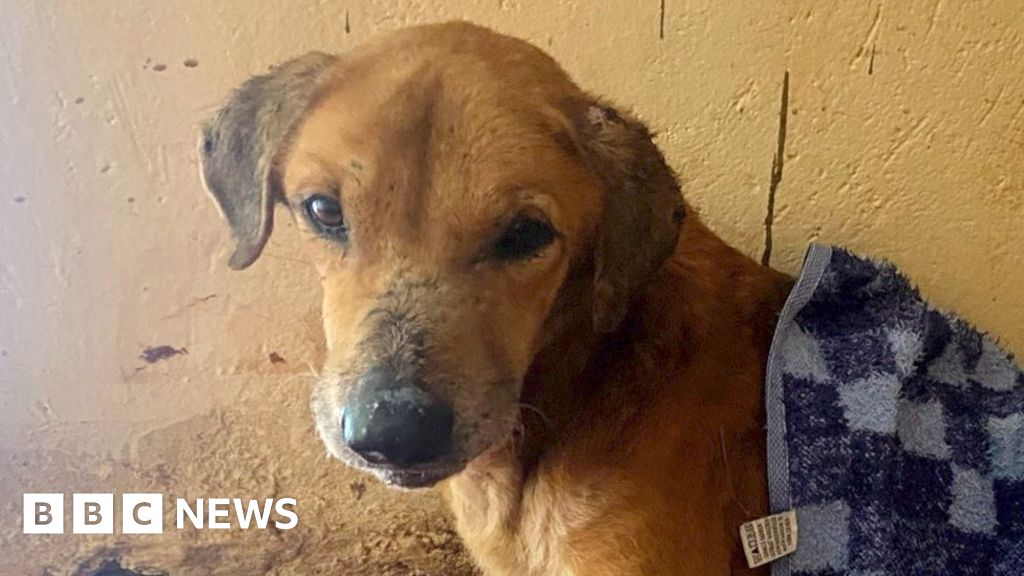
A dog with rust-colored fur lay by a roadside in Uganda, panting in apparent pain from severe hind leg injuries. A 15-second TikTok video posted on January 8 last year showed the dog and urged viewers to donate via an online link to save his life after an accident.
The dog, later named Russet by a UK social media user for his coat color, appeared in hundreds of fundraising campaigns by at least a dozen accounts over three weeks. Thousands of dollars poured in for his treatment, but he never recovered.
BBC Africa Eye uncovered Russet as a prop in a Ugandan scam exploiting distressed animals to solicit donations. Journalists pieced together his story, which points to prolonged suffering regardless of how his injuries occurred.
The scheme links Mityana, a trading center 70 km (43 miles) from Kampala, with animal lovers abroad. Scammers use emotional images and lies, playing on Western views of African poverty and animal neglect. Dogs like Russet bear the heaviest cost.
Mityana has gained notoriety among global online animal rescue activists for fake dog shelters. Scammers capitalize on dogs' popularity in Europe, North America and Australia, turning social media views into cash.
Bart Kakooza, chairman of the Uganda Society for the Protection and Care of Animals, told the BBC: "There are young men in the countryside who are always looking for anything to do on the internet. On the other side, in the Western world, people are very passionate about animals. These young men realised they can make money if they can get a dog."
Dozens of accounts from Mityana flood Instagram, TikTok, Facebook and YouTube with videos of thin dogs, cats and rabbits in makeshift setups. Captions plead for funds to shelter, feed and treat them, often portraying Africa as food-scarce with hostile attitudes toward animals.
BBC data analysis found these videos effective. Over five years, more than $730,000 (£540,000) was raised on GoFundMe for Ugandan animal shelters, with nearly 40% of analyzed fundraisers tied to Mityana.
Residents call the sham shelters an open secret but hesitate to name operations for fear of retaliation. One said young men driving Subaru cars, a local status symbol, are obvious scammers. Another called them the most respected people in town.
A BBC undercover team posed as newcomers seeking to start online dog shelter content. They learned some shelters rent space and dogs to multiple creators for a fee. The same animals and sites appear across accounts linked to GoFundMe or PayPal.
At one shelter run by Charles Lubajja, reporters found 15 dogs crammed in a cage amid their waste, many underweight and listless. Lubajja said the operation exists to extract money from foreign viewers through deception. He advised pretending about eviction threats, faking vet treatments by hiding syringes in fur, and inflating dog food costs more than 11 times.
"Once you receive the GoFundMe money, you use it to buy a car or build a house," Lubajja said on secret video. "Once you get a white donor, don't treat them as a brother. You have to squeeze them. Drain them."
Donors increasingly spot the fakes. Groups like We Won't Be Scammed, with 20,000 Instagram followers, expose worst offenders. Run by Nicola Baird from Yorkshire, England, 10,000 km away, the campaign calls scammers evil.
Baird once donated to a Mityana man claiming his dog Sebi needed surgery. Photos of the procedure looked like abuse to vets she consulted. "That's when I thought: 'Oh my goodness, I've enabled this abuse.' And that's when it became a real passion to stop the abuse because I felt like they were abusing Sebi - they're abusing part of my family."
Lubajja confirmed some scammers cut dogs for content but stopped after donors caught on and money dried up. Activists believe injuries like Russet's, including broken legs, were deliberate.
Lubajja identified Russet as one of his dogs from a traffic accident video but gave few details. Three weeks after his debut, a UK donor arranged his transfer to Dr. Isa Lutebemberwa's Kampala clinic.
Lutebemberwa said X-rays showed bones broken in the same position, unlikely from an accident. "If you are interested in breaking a bone, it's the position you would go for, because it is the weakest."
Russet survived surgery but died days later. "If you looked in his face, you would see that he had endured a lot of suffering," Lutebemberwa said. "Given everything he had gone through, he did not deserve to die."
Ugandan activists like Kakooza blame impulsive foreign donors for fueling cruelty. "People who are donating money are causing the problem of animal cruelty here, because they keep on fuelling it, they are fanning the fire."
Baird agreed: "The message that we have to take from Russet's abuse is the donations prolonged his agony. Had people not donated, Russet would not have suffered as long as he did."
Activists push awareness to cut donations and deter youth from the trade. Mityana police rescued 24 injured dogs from a sham shelter in 2023, charged three suspects with cruelty, then released them with a warning after closing the file.
Kakooza and others now pursue private prosecutions. "We hope this case will be a deterrent for many other people who wish to continue operating in this illegal trade," he said.
What's Your Reaction?
 Like
0
Like
0
 Dislike
0
Dislike
0
 Love
0
Love
0
 Funny
0
Funny
0
 Wow
0
Wow
0
 Sad
0
Sad
0
 Angry
0
Angry
0



Comments (0)