

1994 Football Experts Predicted TV Dominance and Glory Hunters, Now Proven Right

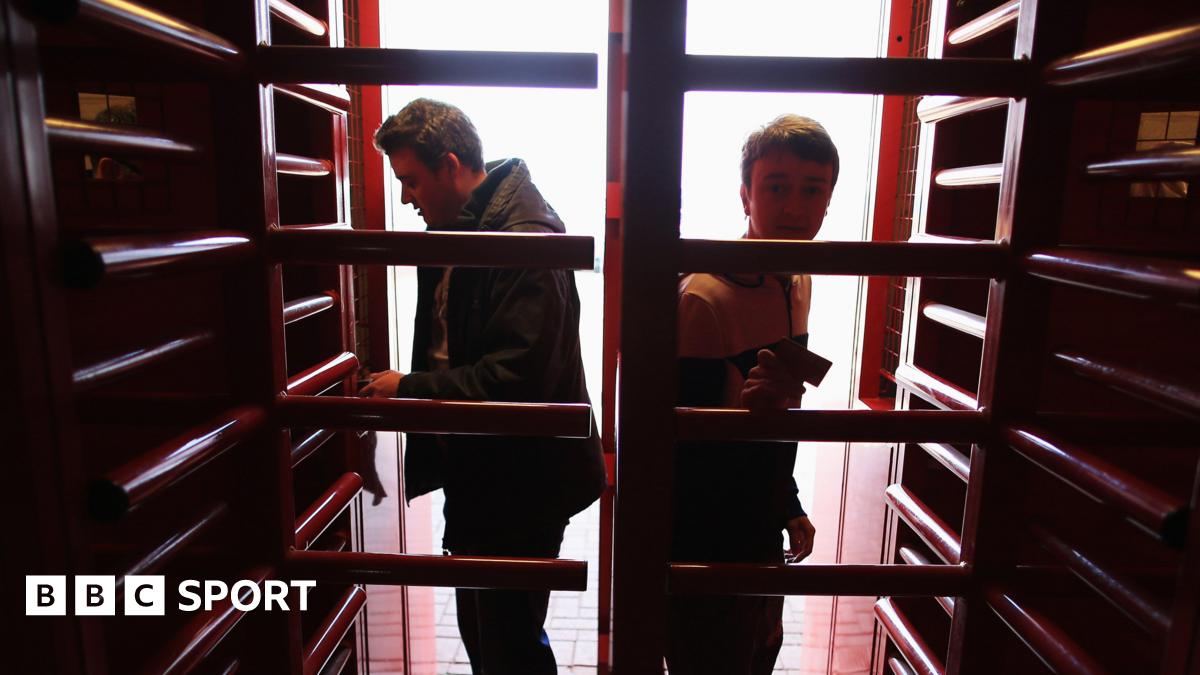
A 1994 clip from a BBC football program resurfaced on social media, showing experts predicting the state of football a decade later. Fans noted how some forecasts proved accurate.
Arsenal fanzine editor Mike Collins, part of the panel on Standing Room Only, which aired from 1991 to 1994, predicted credit card entry to stadiums, a drop in hardcore support, and a rise in glory hunters along with the end of fanzines. "I and all other old-style fans want no part of it at all," he said.
Neil Duncanson, a former broadcast executive, said television would run football completely in the next century. Alex Fynn, an author and football consultant, predicted clubs would view match-going fans as incidental. "If they are part of the equation, it will only be because television companies want them to provide the spectacular background, so that they can bring their pictures into millions of homes," Fynn said.
BBC Sport spoke with Duncanson and Fynn about their predictions and the game 10 years from now. In 1992, Sky secured a £304 million five-year deal to broadcast the new Premier League. Two years later, Duncanson warned of growing broadcaster power. "If you think television is too powerful in sport now, in 10 years' time you won't believe the control that they'll have," he said.
Duncanson foresaw fans watching via subscription and pay-per-view in 2004. "He'll watch it on his own local Newcastle cable station because the BBC or ITV won't be able to afford the rights to the game," he said. "The cable operator will have paid a fortune for it, but he knows he'll get the money back from subscription. It's probably going to be done on pay-per-view, so you'll put a card and a number on your telephone, tap it in, five quid docked from your account, the game pops up."
More than three decades later, subscription broadcasters control top-flight English football. In 2023, the Premier League signed a record four-year £6.7 billion domestic TV deal with Sky and TNT for up to 270 live games a season starting 2025-26.
Duncanson called his predictions obvious "if you followed the money." "Sky had changed the game by spending so much money on rights because it established them as a major satellite power, and they continue to this day," he said. He expects direct-to-customer streaming to grow. "We're all going to learn a new acronym: DTC - direct-to-customer," he said.
Fans push back on rising subscription prices. "Why do I have to pay so much money? I don't want to watch cricket or rugby or motorsport or whatever. I just want to watch my team play," some say. Duncanson said the Premier League will act like the NFL, NBA, and Formula 1 by becoming a broadcaster. "The Premier League next season are going to start their own channel in Singapore. If that's a success, you can see that being rolled out into other territories," he said. "You'll be watching 'Premflix' or 'Fifa TV' or 'Uefa+', or any of them who have got that level of valuable football."
Fynn, who consulted for the Football Association on the Premier League's creation, said clubs prioritize broadcast revenue and international audiences over traditional fans. "A customer can take his business elsewhere. A fan cannot. The clubs knew that and they exploited it," he said.
In 10 years, Fynn predicts rising player wages will hit match-goers. "Demand exceeds supply and, on that basis, what clubs have done is to recognise there is more value in eliminating the so-called 'legacy fans' in place of the so-called 'tourist fans' - those who will come, pay a higher entry price, buy merchandise and therefore add to the bottom line," he said. "So long as the players are paid the amounts that they are, fans will have in some way to pick up the cost."
Fynn credited fans' efforts through the Football Supporters' Association, Supporters Direct, and a fan-led review that created an independent regulator last year. "It is the regulator who will be the fans' best hope for producing a system whereby they are not extorted," he said.
He noted Uefa's spending caps could affect the Premier League. Top-flight clubs recently adopted squad cost ratio, allowing spending up to 85% of income on wages, possibly rising to 115%. Uefa's limit is 70% for European competitions.
"In due course we might have a more even playing field, in the sense that the clubs won't be able to pay the players so much, whereby they won't need to charge the fans so much for their ticket prices. But of course they will. As long as they can get away with it, they will," Fynn said.
Matchday revenue matters more to lower-tier clubs. "Ten years ago, matchday was all-important. Today broadcast is all-important," Fynn said. "But matchday is absolutely vital for the small clubs. And yet, when you look at the leagues, every league - the Premier League, the Championship, League One and League Two - there are average losses for those leagues of millions and millions of pounds."
"It's a system that cannot continue like this and if, for example, the owners pulled the plug on the smaller clubs, half of the EFL would go out of business tomorrow, as we've seen with clubs like Sheffield Wednesday."
Sheffield Wednesday entered administration in October, lost 18 points total, and was relegated from the Championship in February. A proposed 15-point deduction for next season was waived after a takeover on Saturday.
This month, Chelsea reported the largest pre-tax loss in Premier League history, £262 million for the 2024-25 season.
What's Your Reaction?
 Like
0
Like
0
 Dislike
0
Dislike
0
 Love
0
Love
0
 Funny
0
Funny
0
 Wow
0
Wow
0
 Sad
0
Sad
0
 Angry
0
Angry
0






Comments (0)