

Empty Car Park in Queenborough Highlights UK Cost-of-Living Squeeze

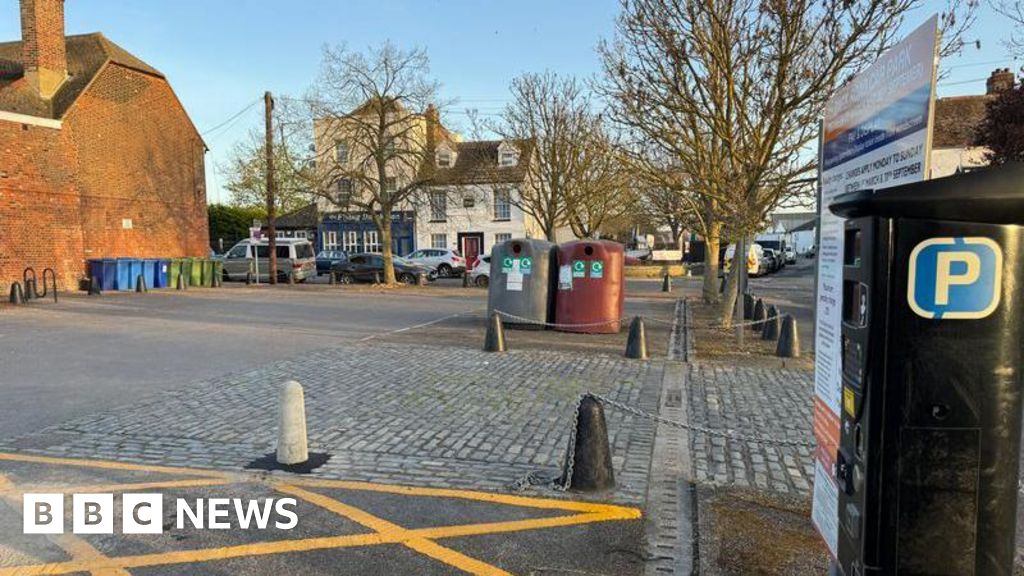
Queenborough's main street fills with parked cars, sometimes blocking emergency vehicles, residents say. But one car park at the end of this Isle of Sheppey village in Kent sits empty.
The reason ties directly to the UK's cost-of-living pressures in 2026. Free parking there ended in early April when Swale Borough Council introduced charges to align the site with other borough car parks.
Locals boycott it on principle and are angry. Businesses worry about lost customers.
"It's always been free [and] it's been free for a reason - for local business to have a chance of thriving," said Matthew Nichol, barman at The Flying Dutchman pub. "It's not fair."
Swale Borough Council and Kent County Council, which also serves the area, face debts and must balance budgets through higher charges and service cuts.
On the Isle of Sheppey, one of England's poorest communities, many lack cash for basics, let alone extras. The area sees high insolvencies, bankruptcies and debt advice requests.
Sheppey holds promise with its beaches, nature reserve and community. But financial woes hit its 47,000 residents hard. People complain of no money, with shops shuttering, charities strained and good jobs scarce.
A morning at the local Citizens Advice drop-in shows the strain. One man carries £20,000 in debt from a failed business. He works all hours to cover it and his mortgage, harming his mental health. He feels "broken" but skips psychiatric help to keep earning.
"We get lots of clients coming in struggling with credit cards, loans, overdrafts, council tax, their rent, mortgage," said Blake Harmer, Citizens Advice supervisor. "We have people come to us where they'll have a carrier bag full of unopened letters and they just can't bring themselves to open [them]. They're burying their heads in the sand that much."
Blocks away, 22-year-old Shania feeds her newborn in a park while her toddler plays nearby. Evicted after complaining about mould, she seeks a £1,000-per-month rental with no luck. She has debt and an overdraft. "I've had to cut back on things," she said, "mainly treats for the kids or days out mostly."
Nearby, Nick has skipped holidays for six years despite 60-hour weeks. "Tonight's my only night out of the week, to play darts with my friends," he said, "and I used to play darts three, four, five times a week. Before, you could be a bit more extravagant, but nowadays, everything costs more."
Cash shortages show on Sheerness High Street, the island's main town. Shuttered shops sit beside vape stores, bookies and charity outlets.
Paula Desai recently closed her furniture restoration and novelty card shop there. "Some days you could sit there all day and not get any [trade]," she said, calling it "soul-destroying." Customers from London questioned her low prices, doubting quality.
She now sells online and weekends in Folkestone, where trade is better. Four shops have closed on the High Street in four months, hurting Sheppey FM community radio, founded in 2012 to aid disadvantaged locals.
The station struggles for advertisers. "We used to have a lot of local family businesses that would go out of their way to support community projects, us being one of them," said manager Julie Nicholls, "and there's a lot less of that now."
Labour MP Kevin McKenna, who represents the island and Sittingbourne, calls for a "complete rebuild," especially in Sheerness and western towns, to create jobs.
He acknowledges council charge hikes mirror national Labour tax rises but says they remodel the economy for future tax cuts.
Sheppey has seen investments, including £20 million from the Levelling Up Fund for Sheppey College refurbishment, an adventure golf course and Sheerness gym upgrades. It also gets £2 million yearly for a decade from the Pride in Place programme.
Yet services shrink. Swale Borough Council, Labour-led with £13 million debt, and Kent County Council, with over £650 million debt, cut spending and raise fees. Problems began under prior Conservative control; Reform UK took Swale last May.
Kent County Council slashed funding 90% for Seashells family hub, aiding 400 children weekly, some short on meals. The council cites "significant financial challenges" and tough choices for sustainability.
Bus funding cuts frustrate residents. In Rushenden, weekday buses run from 10:05 a.m. to 1:20 p.m. Just 0.7% of Sheppey workers use buses, versus England's 4.3% average. The council says it subsidizes more than before.
Poor buses limit mobility, though people like Steve Kilminster help housebound islanders reach hospitals or shops. "I joke around, calling myself International Rescue," he said. "There are loads of people on this island trying to make it a big community again, because it was always a caring, loving [place]."
High-paying jobs have dwindled. Aldi's distribution center faces staffing issues from bus woes. Sheerness Port, importing cars and fruit, employs hundreds, down from thousands. Tourism lags despite beaches; it's "dead" for months.
Three-quarters of Sheppey Universal Credit claimants lack jobs, above the England average.
Reform UK councillor Neal Williams wants a "business tsar" for industry. "A lot of kids have cottoned on to the apprenticeship scheme," he said, "a great idea if we've got the businesses, which we don't have because they seem to be folding – it's too expensive to be here."
Dim prospects push some to crime, double the Kent average, with high violence and sexual assaults plus shoplifting. Alison Backshall of the Sheppey Support Bus sees drug dealing from desperation. "There is a lot of need to support your family and people will do whatever they can do," she said.
Masters House, renovated with £1.75 million mostly from Swale, supports young entrepreneurs since 2023 with mentorship and cheap space. Many come from caravan parks, unable to afford rentals. But long-term funding lacks, relying on scarce charity.
What's Your Reaction?
 Like
0
Like
0
 Dislike
0
Dislike
0
 Love
0
Love
0
 Funny
0
Funny
0
 Wow
0
Wow
0
 Sad
0
Sad
0
 Angry
0
Angry
0







Comments (0)