

Senate Confirms Kevin Warsh as Fed Chair in 54-45 Vote

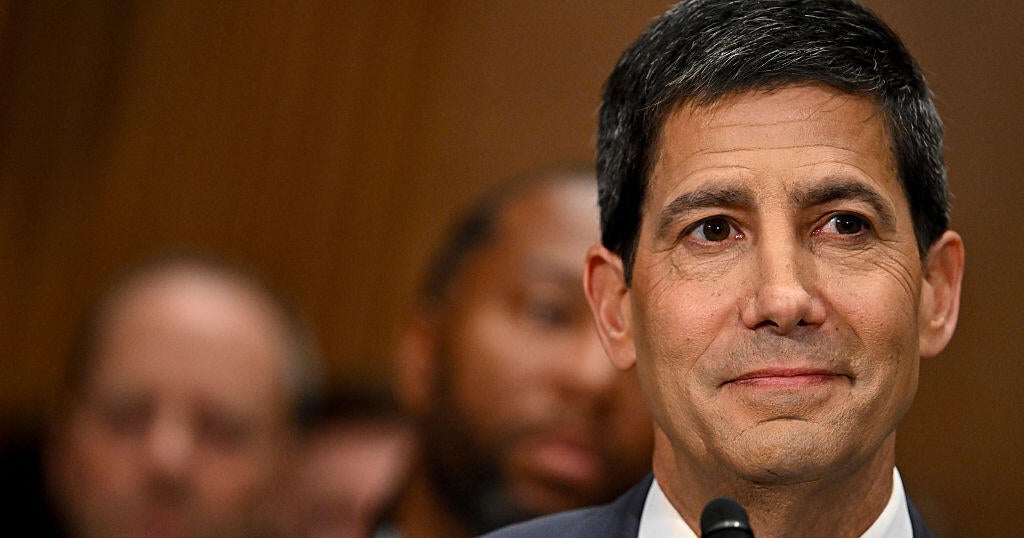
WASHINGTON — The Senate voted Wednesday to confirm Kevin Warsh as chairman of the Federal Reserve. The 54-45 tally marked a win for President Trump, who has repeatedly clashed with outgoing Fed chief Jerome Powell and pushed the central bank to cut interest rates.
Democratic Sen. John Fetterman of Pennsylvania broke ranks to join all Republicans in backing Warsh.
Warsh's four-year term begins Friday. Powell said he will stay on as a rank-and-file Fed board member for now.
Earlier this year, a Justice Department criminal probe into Powell worried some Senate Republicans. They held off support until prosecutors dropped it in April, clearing the path for Warsh.
The Senate separately confirmed Warsh on Tuesday to the Fed's seven-person Board of Governors for a term ending in 2040.
Warsh served on the Board of Governors from 2006 to 2011. After that, he worked as a fellow at Stanford University's Hoover Institution and as a partner at billionaire Stanley Druckenmiller's investment office.
In recent years, Warsh has criticized the Fed. He called for a "regime change" there and questioned its response to post-COVID inflation, bank regulation and balance-sheet size.
Warsh backed lower rates last year, aligning with Trump's demands. Analysts note his past hawkish stance, however, with emphasis on inflation risks and support for higher rates.
Trump is not the first president to seek Fed rate cuts for growth. His pressure has raised questions about the bank's independence. At last month's Senate confirmation hearing, Warsh pledged to act as an "independent actor." "Monetary policy independence is essential," he said.
Powell led a cautious rate policy after sharp hikes in 2022 and 2023 to avoid reigniting inflation. Trump assailed him as a "numbskull," "stubborn mule" and "Mr. Too Late."
This year, the Justice Department issued grand jury subpoenas to the Fed. Powell called it intimidation to force rate cuts. Prosecutors said it targeted a costly Fed building renovation and possible false statements by Powell in Senate testimony. A judge quashed the subpoenas, ruling they aimed to "harass" Powell.
The probe stalled Trump's replacement push. GOP Sen. Thom Tillis of North Carolina blocked Fed nominees, including Warsh, from the Senate Banking Committee. He labeled the investigation "bogus."
U.S. Attorney for D.C. Jeanine Pirro shut it down last month but said she could reopen it if the Fed's inspector general finds misconduct. That convinced Tillis and let the Republican Senate confirm Warsh.
Warsh takes over as the Fed faces economic fallout from the Iran war. Powell cited it when the rate-setting Federal Open Market Committee held rates steady for a third straight meeting last month.
"The economic outlook remains highly uncertain, and the conflict in the Middle East has added to this uncertainty," Powell said in a press conference.
Inflation has eased from its 2022 peak but tops the Fed's 2% goal. It jumped on war-driven energy costs, clouding rate-cut timing. Unemployment stays low, and April's jobs report came in strong.
CME Group's FedWatch tool shows less than 50% odds of a cut this year. Treasury Secretary Scott Bessent said last month he gets it if the Fed waits for clarity. Trump keeps demanding cuts.
Warsh's sway over rates has limits. The Fed chair leads but votes as one of 12 on the FOMC. That includes five regional Fed bank presidents not named by the president, plus seven governors.
Three governors are Trump picks, including Warsh who replaced another Trump nominee. Three are Biden choices. Trump seeks to oust Biden appointee Lisa Cook, but courts have blocked it.
Powell started as an Obama-appointed governor. Trump made him chair, and Biden reappointed him.
Fed chairs usually leave the board after their term. Powell plans to stay until the Justice probe — which he sees as a threat to independence — ends for good.
Last month, he said he would remain "for a period of time to be determined" but keep a "low profile."
"I respect the role of chair," Powell said. He added that as a past rank-and-file governor, he sympathized with the chair's consensus challenges and avoided making them harder.
What's Your Reaction?
 Like
0
Like
0
 Dislike
0
Dislike
0
 Love
0
Love
0
 Funny
0
Funny
0
 Wow
0
Wow
0
 Sad
0
Sad
0
 Angry
0
Angry
0





Comments (0)