

Mortgage Rates Rise Again as 30-Year Average Hits 6.62%

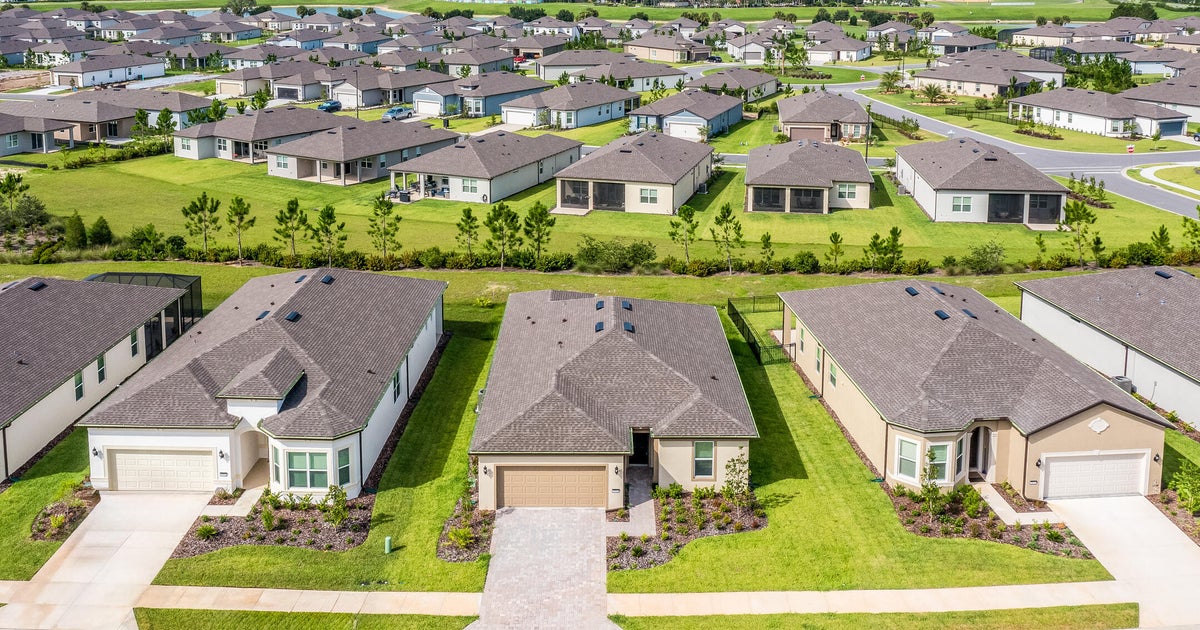
Borrowers looking to secure an affordable mortgage interest rate have had little success lately. After purchase rates fell below 6% in 2025 and briefly returned to that range in April following a March surge, rates are rising again. While they may still fit the budget of some homebuyers and owners looking to refinance, the urgency around locking in a mortgage rate is growing.
By locking in one of today's rates, borrowers can protect themselves from any increases still to come. If rates decline before closing, many lenders will allow borrowers to float their locked rate down to the new, lower one.
To better understand the value of a mortgage rate lock right now, borrowers should start shopping around to see what rates are actually available. By getting offers from at least three different lenders, they can establish a baseline to compare against. The first part of this process begins with knowing where mortgage interest rates stand now, as of May 20, 2026.
The average mortgage rate on a 30-year term is 6.62% as of May 20, 2026, according to Zillow. The median rate for a 15-year term is now 6.12%. Both are higher than they were earlier this week and considerably above where they were previously in 2026, demonstrating the volatility in the wider interest rate environment.
If you're committed to buying a home this spring or summer, it may be valuable to lock in one of these rates to offset any additional hikes still to come. With the likelihood of a Federal Reserve rate cut low right now and with other factors that drive mortgage rates higher still prevalent, a lock could be the smart way to circumvent elevated costs still ahead.
The average mortgage refinance rate on a 30-year term is 7.05% as of May 20, 2026, according to Zillow. The median refi rate on a 15-year term is 6.08%. Both of these rates are substantially up from where they were in recent months. It was just March 2, for example, when these averages were 6.47% and 5.48%, respectively.
And while those differences may not seem like a lot on paper, they represent major cost increases over the life of a loan. That said, if today's averages represent a rate differential of half a percentage point to a full percentage point below your current one, they may still be worth close examination.
What's Your Reaction?
 Like
0
Like
0
 Dislike
0
Dislike
0
 Love
0
Love
0
 Funny
0
Funny
0
 Wow
0
Wow
0
 Sad
0
Sad
0
 Angry
0
Angry
0








Comments (0)