

Proposed Education Rule Would Shut Down 92% of U.S. Beauty and Barber Schools

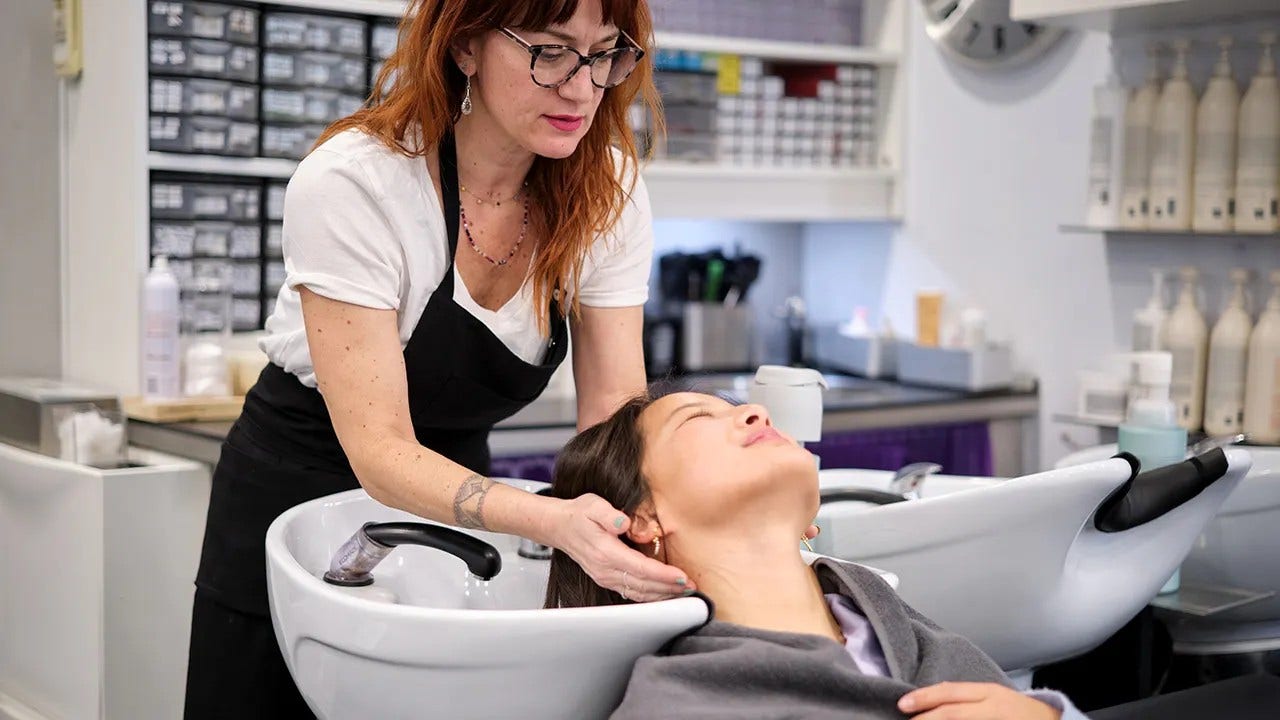
In 1980, the author, a Navy veteran, slept in a 20-year-old car and scraped together $700 to start a hair care company with stylist Paul Mitchell. They believed the American Dream remained open. Forty-six years later, a federal rule threatens to close that dream for the next generation.
The Department of Education has proposed an earnings premium metric under the gainful employment rule. It judges career programs by whether vocational graduates, four years after completion, earn more than the typical full-time worker aged 25-34 in the same state without a college degree. Programs that fail the test in two out of three years lose access to federal student aid. The department's own data shows more than 92% of beauty and barber programs nationwide would fail.
This rule amounts to a death sentence for thousands of cosmetology, barber, esthetician and nail schools across America. Without Title IV aid, most students—many single mothers, veterans, first-generation Americans and working-class kids—cannot afford the training needed for state licensure. Schools will close. The pipeline of new licensed professionals will collapse.
The change comes as skilled trades and human-centered careers gain emphasis in an AI-driven economy. Yet the rule threatens to defund an industry based on human connection, creativity and hands-on expertise.
The beauty industry generates $100 billion and employs 1.3 million Americans. It offers marketable credentials in under a year, allowing entry into shops or salons to build businesses. Professionals, mostly women, use flexible part-time schedules to raise families while earning income, often through tips and clientele that grow after initial years. This income stays invisible in the department's early-career snapshot.
The rule ignores part-time work, tips, self-employment and the female-dominated field. It compares new licensees to full-time high-school graduates, many with a decade of workforce experience. This creates a false narrative that beauty programs fail to deliver, though they provide flexible, entrepreneurial, in-person careers immune to automation.
Economic fallout will follow quickly. School closures cut licensed professionals entering a growing-demand workforce. Salons, spas and barbershops face staffing shortages. Rural areas and small towns, already short on services, develop 'beauty deserts' without grooming and wellness options. Consumers lose safe, licensed care. Small business owners see revenues drop. Product makers, distributors, real estate and local taxes suffer ripple effects.
The issue goes beyond beauty schools. It strips opportunity from single mothers seeking independence, veterans wanting stable second careers and young entrepreneurs dreaming of salons. These groups built the $100 billion industry and stand to lose most without new talent and fair education access.
Congress addressed this in the One Big Beautiful Bill Act. The law limits the earnings framework to undergraduate degree programs and graduate certificates. It intentionally excludes undergraduate certificate programs like cosmetology and barbering. The department should follow the law.
Secretary Linda McMahon can fix this. She has experience building a business from scratch. She should direct the department to exclude undergraduate non-degree and certificate programs in licensed trades from the earnings premium test, matching statutory intent. This change would protect opportunity, preserve workforce pipelines and safeguard a key economic sector.
The comment period closes May 20. School owners, professionals, salon owners, manufacturers and the millions served should speak up to protect the industry.
Beauty and barbering offer pathways to independence, entrepreneurship, creativity and human connection. They change lives daily.
What's Your Reaction?
 Like
0
Like
0
 Dislike
1
Dislike
1
 Love
0
Love
0
 Funny
1
Funny
1
 Wow
0
Wow
0
 Sad
0
Sad
0
 Angry
1
Angry
1










Comments (0)