

Nexstar-Tegna Merger Deserves Approval to Bolster Local Journalism

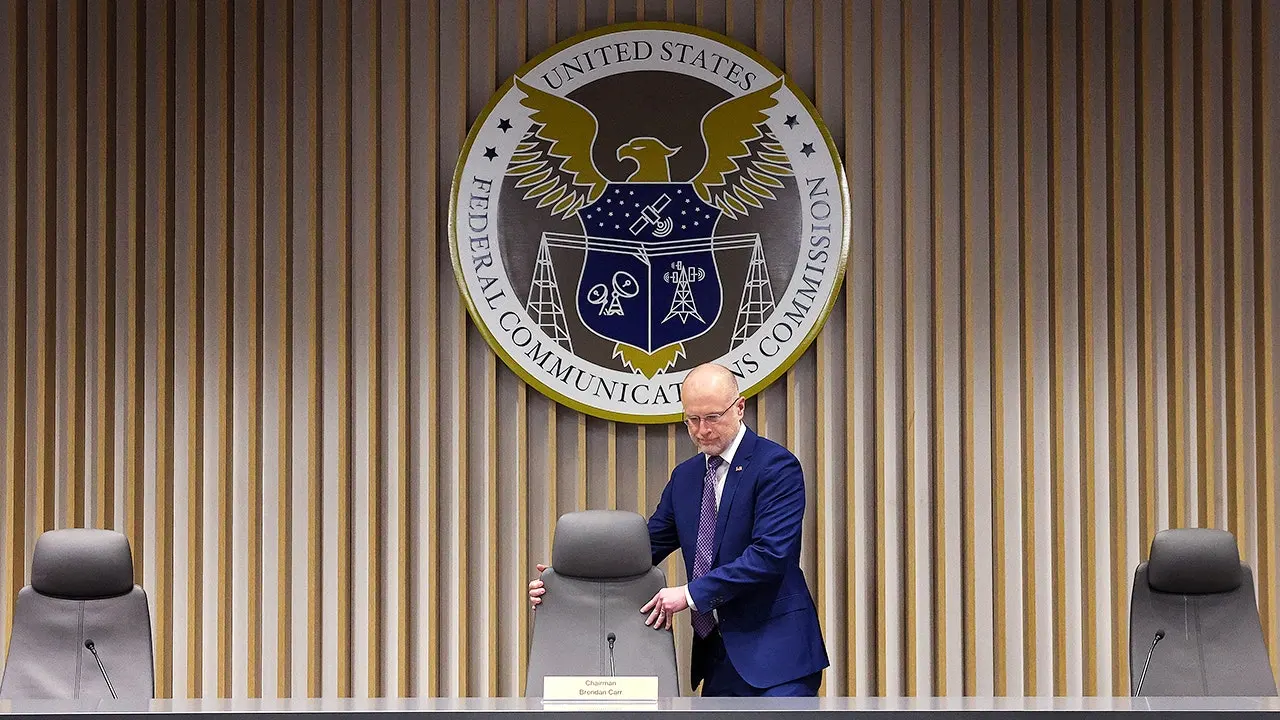
The proposed Nexstar-Tegna transaction merits Washington's support as a pro-growth deal, not regulatory obstruction through legal briefs and political maneuvering.
Nexstar and Tegna rank among the largest owners of local television stations. For years, U.S. local broadcasters have faced intense pressure from Big Tech, streaming services, social-media platforms, cord-cutting, cable fragmentation and the diversion of ad dollars from local outlets. The era of three networks, a few local stations and a fixed evening-news audience has vanished.
Local TV stations now operate in a global, cutthroat marketplace. The Nexstar-Tegna deal tests whether policymakers grasp this economy or cling to rules from a bygone media age.
Nexstar argues the acquisition would fortify local journalism with added resources, improved technology, enhanced programming and the scale to compete. CEO Perry Sook stated the combined company would deliver strong local journalism and programming through better assets, capabilities and talent.
In plain terms, newsrooms require funding, staff, equipment, technology and endurance. Scale provides those; deprivation does not.
State attorneys general, alongside DirecTV, seek to block the deal, claiming Nexstar would wield excessive influence in local markets. That view evokes 1985, or even 1955, and ignores current information consumption habits.
Local broadcasters vie not just with rivals across town but with Google, Meta, YouTube, Netflix, Amazon, TikTok, Apple, podcasts, cable channels, newsletters, satellite providers and endless digital content.
The 39 percent national TV ownership cap is outdated, suited to a vanished broadcast era like rotary phones or rabbit-ear antennas. The Federal Communications Commission rightly sees that broadcasters need flexibility. In this market, scale sustains competition and keeps local journalism viable.
The Trump administration prioritizes growth, deregulation and removing bureaucratic hurdles. This deal aligns with that approach, allowing an American media firm to adapt, invest and compete.
Blocking it would undermine local broadcasters when they need strength most. Stations would struggle to finance reporters, investigative reporting, weather updates, emergency alerts and community programming that national outlets and Big Tech overlook.
Local news serves as civic infrastructure. It warns of storms, school closures, hazardous roads, rising crime, official waste and community crises. Shrinking newsrooms enable corruption and reduce public information.
Judges should weigh the public interest over competitors' agendas or attorneys general's headline hunts. DirecTV, a major distributor, opposes the deal likely to protect its leverage and margins, not to champion local journalism.
Opponents say they safeguard local news, yet their stance would hinder broadcasters against digital and streaming giants eroding local economics. Their logic echoes the 2022 rejection of the JetBlue-Spirit merger; Spirit now faces bankruptcy and seeks a bailout.
The Nexstar-Tegna deal promises stronger stations, resilient newsrooms and a chance for community journalism to persist. Firms need size, capital and tech prowess to survive against global platforms and streamers.
Washington must avoid outdated rules as local newsrooms disappear. The administration grasps that prosperity comes from modernization and competition with true economic giants. Backing this transaction signals commitment to adaptation over stale regulations.
What's Your Reaction?
 Like
0
Like
0
 Dislike
0
Dislike
0
 Love
0
Love
0
 Funny
0
Funny
0
 Wow
0
Wow
0
 Sad
0
Sad
0
 Angry
0
Angry
0








Comments (0)