

Jerome Powell Steps Down as Fed Chair After Eight Years of Crisis Management

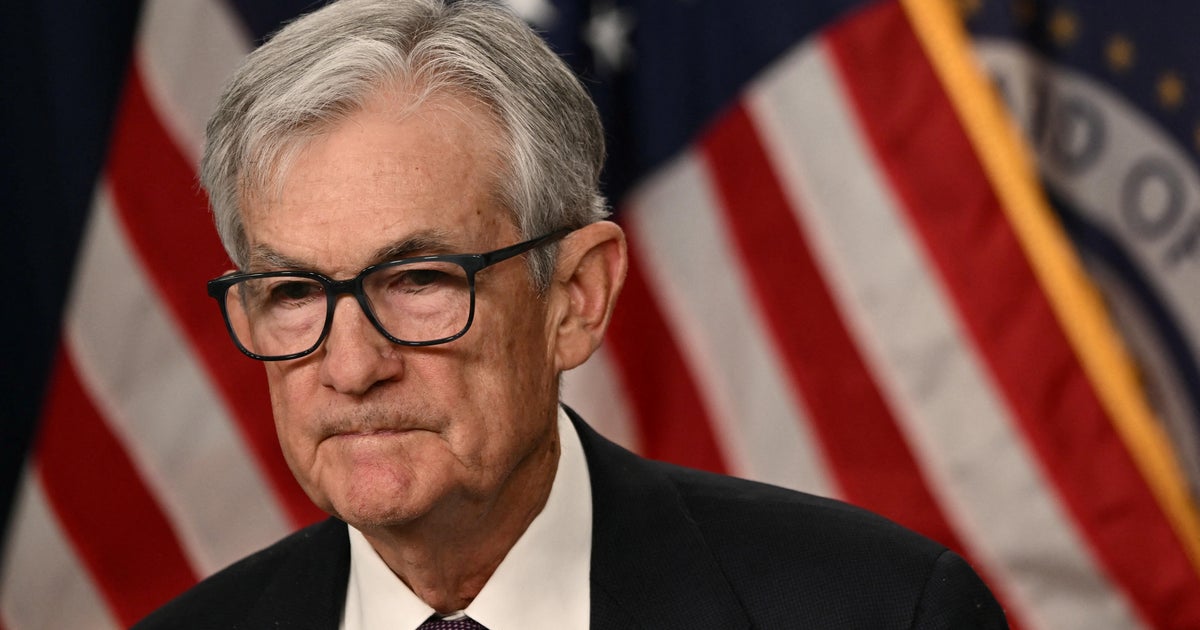
Jerome Powell steered the Federal Reserve through major economic shocks including the pandemic and the highest inflation in 40 years. His legacy centers on crisis management and defending the central bank's independence.
Powell steps down Friday after eight years as Fed chair. More than a dozen economists interviewed by CBS News credited his measured leadership for guiding the economy through turbulence.
His tenure stands out for commitment to Fed independence amid legal threats and pressure from President Trump to cut rates. "His enduring legacy will be that he protected the Fed's independence at a time of unprecedented challenges," said David Wessel, senior fellow in economic studies at the Brookings Institution and author of "In Fed We Trust: Ben Bernanke's War on the Great Panic."
Powell's leadership assured "the American people that there was an adult of integrity in charge of the world's most powerful economic institution," Wessel added.
Under Powell, the Fed managed monetary policy through tumult and largely met its dual mandate, said Mark Zandi, chief economist at Moody's Analytics. He called Powell's defense of independence his most significant late-term achievement.
Powell hands the chair to Kevin Warsh, Trump's pick and former Fed official. Powell will stay on as a Federal Reserve governor, an unusual move for ex-chairs. At an April 29 press conference, he said the Fed remains "at risk" from Trump administration legal challenges. "The institution is being battered over these things," he said.
Trump first nominated Powell in February 2018 to succeed Janet Yellen, praising his wisdom as former U.S. Treasury undersecretary. Trump later turned critical after the Fed raised rates in 2018 to cool the economy. Attacks sharpened in Trump's second term, with insults like "numbskull" and "complete moron."
The 2020 pandemic brought a steep recession with unemployment near 15%. In March, Powell led two emergency Federal Open Market Committee meetings that cut the benchmark rate near zero, steadying the labor market.
"Powell kept the economy resilient throughout the pandemic and, in combination with robust fiscal policy through COVID-era stimulus legislation, supported workers when they needed it most," said Liz Pancotti, managing director of policy and advocacy at Groundworks.
Pandemic fallout led to 1980s-level inflation. Powell first called 2021 price surges "transitory" from supply snarls, not structural issues like labor shortages. The Fed delayed rate hikes until March 2022, when the Consumer Price Index hit 8.5%.
Economists called the delay Powell's biggest mistake. "His record on inflation is very mixed, given that we've been overshooting the target for the last several consecutive years," said Adam Crisafulli, head of Vital Knowledge.
Macro shocks like COVID, fiscal policy, Ukraine and Iran wars, and tariffs fueled inflation, Crisafulli noted. Tim Duy, chief economist at SGH Macro Advisors, said the delay reflected Fed focus on employment in its dual mandate. Inflation stayed above target for over five years while unemployment remained low.
In 2022, with inflation at 40-year highs and a tight labor market, fears of recession mounted. Powell and Fed officials raised rates enough to curb prices without spiking unemployment, achieving a soft landing.
The economy grew, jobless rate fell to a 50-year low, and inflation cooled. "Navigating the COVID-driven inflation shock without triggering a recession and maintaining — if not enhancing — the Fed's inflation-fighting credibility is, in my view, Powell's greatest success," said Michael Luzzetti, chief U.S. economist at Deutsche Bank.
Inflation has not hit the Fed's 2% target, which Powell stressed in his final press conference. Trump reappointed Powell in 2022 after Biden's term.
Trump's second term brought tariffs raising inflation fears, then the Iran war spiked oil prices. April's Consumer Price Index hit 3.8%, highest since May 2023.
"Powell's leadership of the FOMC will likely be remembered as pragmatic, disciplined and unusually adaptive during one of the most volatile macroeconomic periods in decades," said Greg Daco, chief economist of EY-Parthenon.
Trump called Powell a "lousy" chair, faulted him for not cutting rates, and pursued legal attacks. In January, the Justice Department probed Powell over Fed building renovations. Powell deemed it pretext to force rate cuts. The probe ended, but Powell stayed on as governor and FOMC voter.
Economists expect Powell to influence policy. "Powell's ultimate story isn't yet known," Crisafulli said. "If he preserves monetary independence, that will be the opening line of his obituary — not the, at best, mixed track record of inflation during his tenure."
What's Your Reaction?
 Like
0
Like
0
 Dislike
0
Dislike
0
 Love
0
Love
0
 Funny
0
Funny
0
 Wow
0
Wow
0
 Sad
0
Sad
0
 Angry
0
Angry
0






Comments (0)