

ISIS Shadow Commander in West Africa Killed in Precision Strike

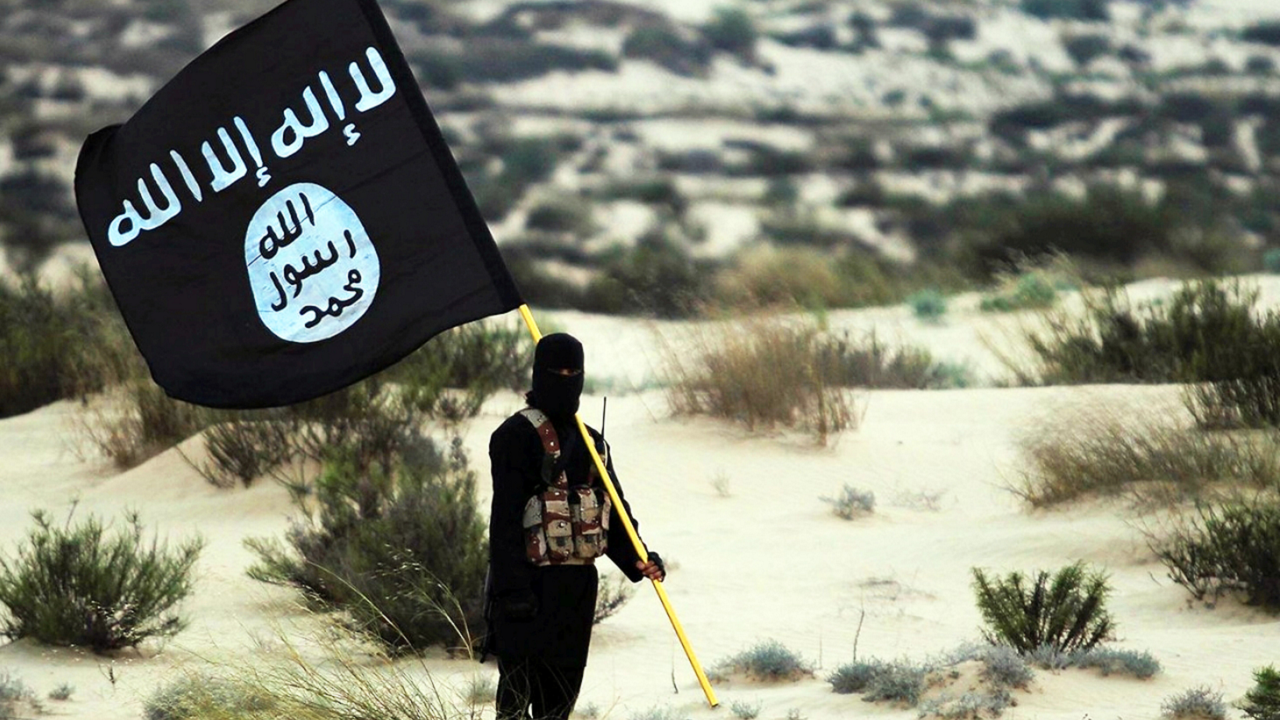
Abu-Bilal al-Minuki, ISIS’s shadow commander in West Africa, was killed May 16 in a precision strike in northeastern Nigeria.
The Nigerian army described the strike as a meticulously planned and highly complex precision air-land operation carried out between midnight and 4 a.m. in Metele, located in Borno State. U.S. Africa Command placed the strike in northeastern Nigeria, with Nigerian army communications pointing specifically to the Metele region.
Dr. Omar Mohammed, Senior Research Fellow at the GW Program on Extremism, said the operation relied on human intelligence, or HUMINT. He said al-Minuki avoided smartphones and relied on courier-based communications while moving constantly between small camps scattered across the Lake Chad islands and the Borno bush.
Mohammed said al-Minuki had used deep local networks that the Nigerian military has struggled to penetrate for over a decade. He added that even careful targets can be undone when time generates patterns and human sources prove difficult to defeat.
The killing dealt one of the biggest blows to ISIS’s global network in years and disrupted operations in northeastern Nigeria. The terror group’s top leader, Abu Hafs al-Hashimi al-Qurashi, remains at large.
Mohammed said al-Qurashi was named after his predecessor was killed in Syria in 2023. He described the current leader as deliberately faceless and said analysts refer to this line of leaders as the caliphs of the shadows. Reports indicate al-Qurashi traveled from Syria or Iraq through Yemen to Somalia’s semi-autonomous Puntland region.
Mohammed said the financial hub of the organization now sits in Africa, with leadership, finance and operational direction quietly relocating there for years. Data from the Armed Conflict Location & Event Data Project shows more than two-thirds of all Islamic State global activity now takes place in Africa.
Mohammed said Africa has transitioned from a peripheral theater to the operational and financial center of global ISIS activity. He added that funding is overwhelmingly local and extractive through taxation, ransom and smuggling, which makes the networks resilient.
Al-Minuki rose through ISWAP and operated across the Lake Chad Basin and into the wider Sahel, Mohammed said.
What's Your Reaction?
 Like
0
Like
0
 Dislike
0
Dislike
0
 Love
0
Love
0
 Funny
0
Funny
0
 Wow
0
Wow
0
 Sad
0
Sad
0
 Angry
0
Angry
0


Comments (0)