

Iran damaged 20 US military sites across eight countries, BBC Verify finds

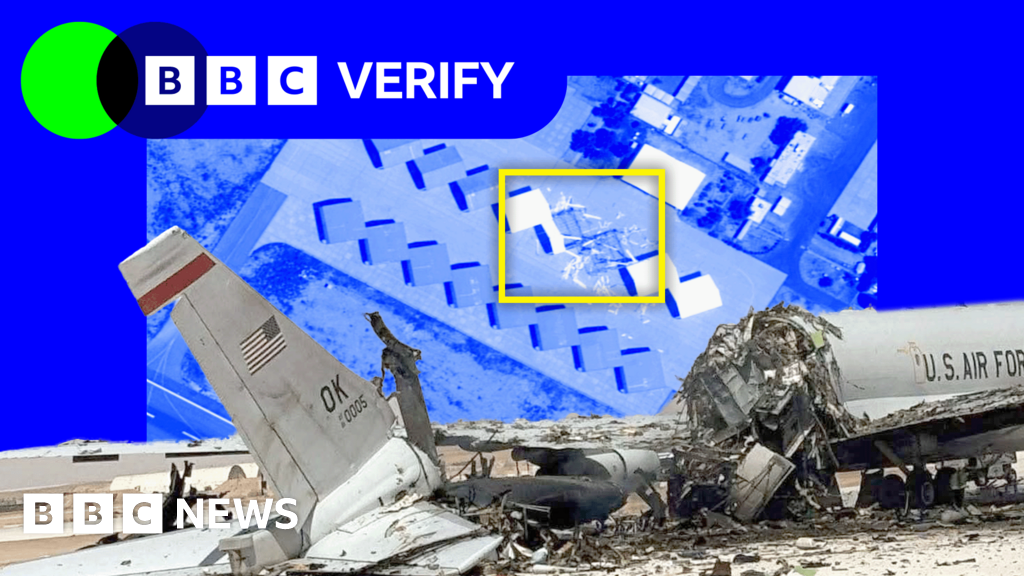
Iran has damaged 20 US military sites since the start of the war, satellite images and videos analyzed by BBC Verify show.
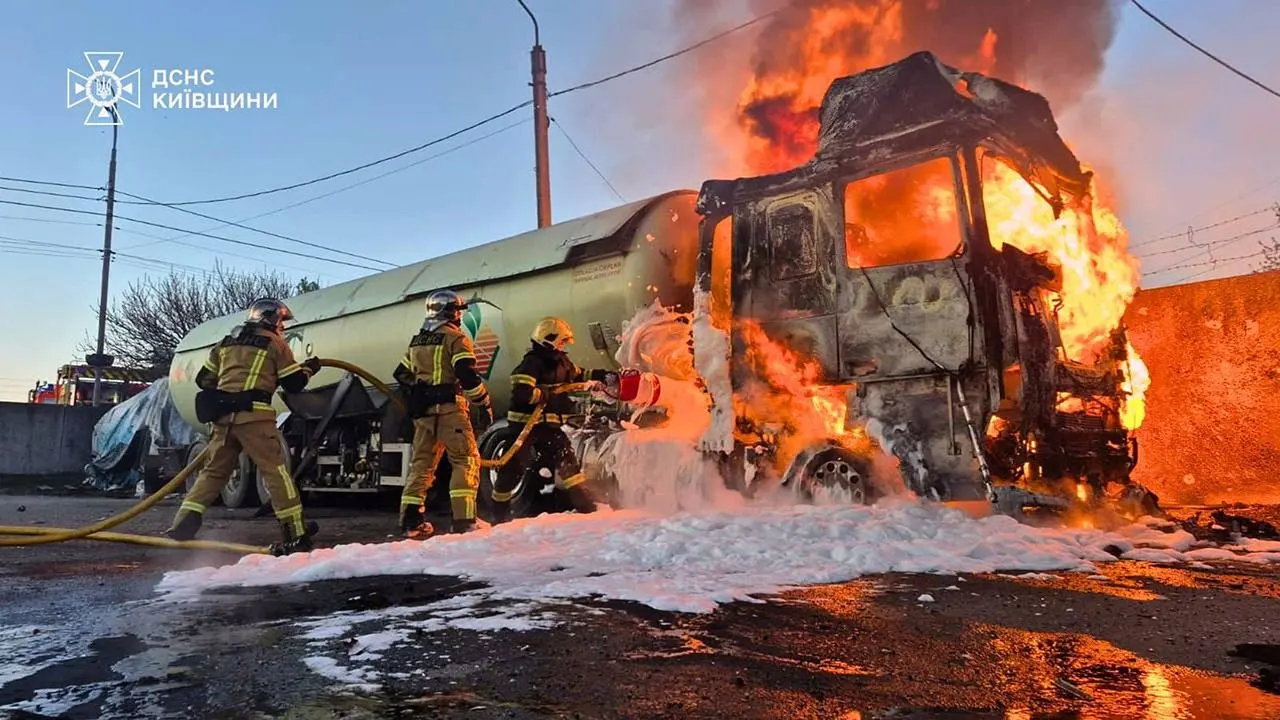
Iran has targeted key facilities across eight countries in the Middle East since the end of February, causing millions of dollars of damage to state-of-the-art air defense systems, refueling aircraft and radars.
Tehran has targeted both US bases and shared military facilities in retaliation to the US-Israeli strikes across Iran and Lebanon over the past three months. The Pentagon says it has hit more than 13,000 targets in Iran since the start of Operation Epic Fury.
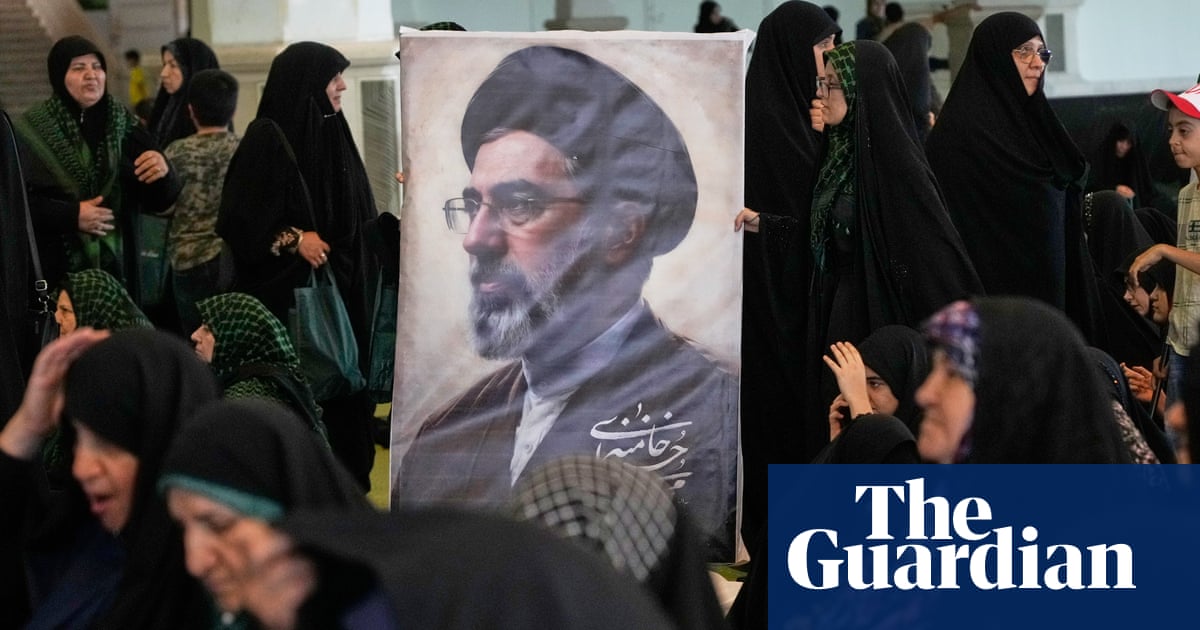
Mojtaba Khamenei, Iran's supreme leader, has sought to highlight his military's success in striking US facilities. In a statement on Tuesday he claimed the Middle East was no longer a "safe place" for American bases.
While the White House has repeatedly claimed that Iran's military has been almost wiped out, analysts said that the damage seen at US facilities suggests that Tehran's counter-attacks have been more precise and extensive than American officials have previously acknowledged.
The US has sought to limit satellite analysis of the conflict by requesting Planet, a major provider, to impose an "indefinite" restriction on new images of Iran and most of the Middle East. The company justified the move, saying that it wanted to ensure its images were not used "by adversarial actors to target allied and Nato-partner personnel and civilians".
BBC Verify has used satellite imagery from other international providers combined with older images from Planet to track the damage caused by Iranian attacks. The facilities are in Saudi Arabia, the United Arab Emirates, Qatar, Kuwait, Iraq, Jordan, Bahrain and Oman. The actual figure could be higher, with some analysts placing the number of bases hit as high as 28.
Among the valuable hardware damaged were three state-of-the-art anti-ballistic missile battery systems at the Al Ruwais and Al Sader airbases in the UAE and Muwaffaq Salti Airbase in Jordan.
The US is only known to operate eight of the Terminal High Altitude Area Defense batteries, which are deployed at bases around the globe and cost around $1 billion to manufacture. Each battery needs a crew of about 100 troops to operate it while the interceptors it fires cost around $12.7 million per round.
Vice-Admiral Mark Mellett, the ex-head of the Irish Defence Forces, told BBC Verify that the batteries are at the core of a "highly complex" regional defense network that cannot be "quickly or easily replaced".
Iranian strikes have also heavily hit US refueling and surveillance aircraft at Prince Sultan Airbase in Saudi Arabia, expert analysis of satellite images show, with damaged aircraft and smoking craters clearly visible.
One aircraft was identified by a MAIAR analyst as an E-3 Sentry surveillance plane. US media reported that it could cost up to $700 million to replace.
Elsewhere, Iranian attacks have also targeted Ali Al Salem Airbase and Camp Arifjan in Kuwait. Analysts at MAIAR identified destroyed fuel storage bunkers, aircraft hangars and troop accommodation in satellite images of the base, which was hit multiple times over the course of the conflict.
The extent of damage caused to US facilities is difficult to quantify, but a May estimate by the Pentagon put the total cost of Operation Epic Fury at $29 billion, with much of that likely to be spent on "repair or replacement costs for equipment" destroyed in the conflict. Democrats say this is likely an underestimate.
The report also found that at least 42 aircraft, including F-15 and F-35 fighter jets, 24 MQ-9 Reaper drones and an A-10 attack plane, have been destroyed or damaged since February.
By comparison to the expensive hardware used by the US military, Iran has reportedly made use of cheap, easily replaceable drones in its attacks on targets across the Middle East.
Experts who spoke to BBC Verify said that Iranian tactics had evolved over the course of the war, moving from sprawling barrages of missiles which targeted cities and bases across the Middle East, to more precise, directed attacks.
"[Iran's] opening salvos were optimised for volume—mass waves designed to overwhelm air and missile defences through sheer numbers," said Dr Kelly Grieco, an analyst with the US-based Stimson Centre think tank.
"Within days, however, Iran had shifted to smaller, more precisely targeted salvos, conserving remaining missiles and drones for specific high-value targets and concentrating fire where even near-misses cause significant damage."
An analyst at MAIAR told BBC Verify that the US military "appears to have been guilty of a degree of early-war complacency" in failing to move aircraft out of the range of Iranian drones and missiles as Tehran's tactics evolved.
They said that in the case of Prince Sultan airbase the facility had previously come under fire before the aircraft were destroyed.
Iran's Supreme Leader Mojtaba Khamenei vowed that "the nations and lands of the region will no longer serve as shields for American bases," adding: "America will no longer have a safe place in the region for mischief and the establishment of military bases, and day by day it will drift further from its former position."
What's Your Reaction?
 Like
0
Like
0
 Dislike
0
Dislike
0
 Love
0
Love
0
 Funny
0
Funny
0
 Wow
0
Wow
0
 Sad
0
Sad
0
 Angry
0
Angry
0


Comments (0)