

Hojicha Gains Traction on UK Cafe Menus as Matcha Trend Evolves

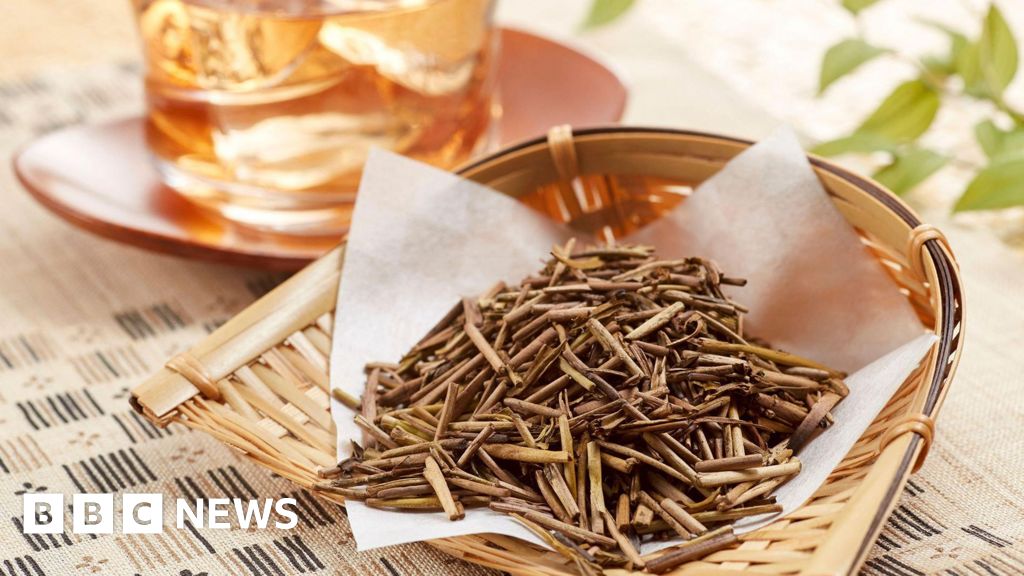
Hojicha, a Japanese drink made from green tea roasted at high temperatures for a nutty flavor and aroma, is showing up more on cafe menus across the UK. Less bitter than regular green tea with low caffeine, it appears in lattes, desserts and ice cream.
At Koya restaurant in London, chef Shuko Oda has long offered traditional hojicha. "Traditionally, we don't put milk or any sugar or sweetenings in with hojicha," Oda says. "It's meant to be a brown, clear tea that is very much an every and any time of the day type of hot drink."
Oda notes the drink's rise in popularity, often as milky hojicha lattes and desserts. She added hojicha ice cream to Koya's menu earlier this year.
Iced hojicha latte sales at matcha chain Jenki rose 55 percent across its six London cafes from January to April compared with the prior year. Rashique Siddique, director of How Matcha, says hojicha latte sales grew significantly over the past year. The chain now sells one or two hojicha lattes for every five matcha lattes.
"Hojicha feels like where matcha was two or three years ago," Siddique says. "It's moving from niche to mainstream quite quickly."
East London coffee roasters Grind added a black sesame hojicha to its menu this summer. Head of coffee Howey Gill says the company tracked Japanese food and drink trends spreading to the UK, though he notes the brown color is "not as sexy as matcha."
Ana Costa, 21, tried an iced hojicha latte with oat milk and vanilla syrup at How Matcha. She calls it less Instagrammable than matcha but enjoys the flavor and says looks do not matter to her.
Bright green matcha drinks have become common in UK town centers. Greggs began selling matcha in February. Powdered matcha sales at UK supermarkets and convenience stores grew more than fourfold over the past year, with shoppers spending nearly £9 million ($11.4 million) on it in the last 12 months, Nielsen IQ data shows.
Anjani, 28, calls matcha "very trendy." Her friend Abeer, 28, agrees but says most people drink it "for the vibes" rather than the flavor.
Mike Turner, founder of Bird & Blend speciality tea shop, says matcha sales are holding steady and expects growth, though hype may fade as novelty wears off.
Ana drinks matcha twice a week but feels UK coffee shops have "warped" it with too many syrups and flavorings. "The drinks become less about the quality and taste of the matcha" and more about unique combinations, she says. "You often aren't able to actually taste the matcha."
Isabel MacNeaney, 23, a barista at a Japanese cafe in London, agrees. Customers sometimes back out when no syrups or sweeteners are available or complain it tastes too bitter. "Some people truly do like matcha," she says, "but for a lot of people it's trendy and they can hide the taste with syrups so they can still have a pretty drink."
Liv Dyer, 31, dislikes matcha. "I've tried to like it. It's gross," she says, preferring coffee, English breakfast tea or green tea. "It tastes like a muddy puddle."
Nielsen IQ data shows sales rising for green tea, kombucha and cold carbonated tea too. Twinings launched sparkling fruity tea in cans in 2024, and kombucha appears in some supermarket meal deals.
At Bird & Blend, black tea flavors like chocolate digestive and violet cream sit with rooibos, chai, matcha and others. Chai sales grew 38 percent in the year to April.
"I have been saying chai will be the next thing for a few years," Turner says, but adds, "I don't think it will explode to the same extent that matcha has."
Chaiiwala sells a sweeter western chai latte and karak chai, a milky Indian tea with ginger, cardamom and cinnamon. The chain, which offers Indian street food and hot and iced drinks, sells half a million cups of karak chai monthly. Its cafes stay open late, some past midnight on weekends. Founder Sohail Alimohamed says universities have approached about campus stores for non-drinking students.
Anjani and Abeer, who dislike coffee, enjoy matcha and chai cafes as pub alternatives with diverse hot and iced options.
Vibrant ube drinks, made with purple yam, joined Costa Coffee and Starbucks menus this summer, promoted for lilac hues. But people in a London park on a sunny spring day mentioned mate as a trend to watch.
Cafe owners do not expect hojicha or other teas to match matcha's boom. "It's an exciting time for tea," Turner says.
What's Your Reaction?
 Like
0
Like
0
 Dislike
0
Dislike
0
 Love
0
Love
0
 Funny
0
Funny
0
 Wow
0
Wow
0
 Sad
0
Sad
0
 Angry
0
Angry
0








Comments (0)