

FIFA World Cup Faces Heat, Thunderstorms and Air Quality Risks in North America

One month before the 2026 World Cup starts, organizers are focusing on weather risks alongside teams and venues.
Summer brings heat, thunderstorms and poor air quality from wildfires to the United States, Canada and Mexico, the tournament hosts. Humidity could worsen any disruptions.
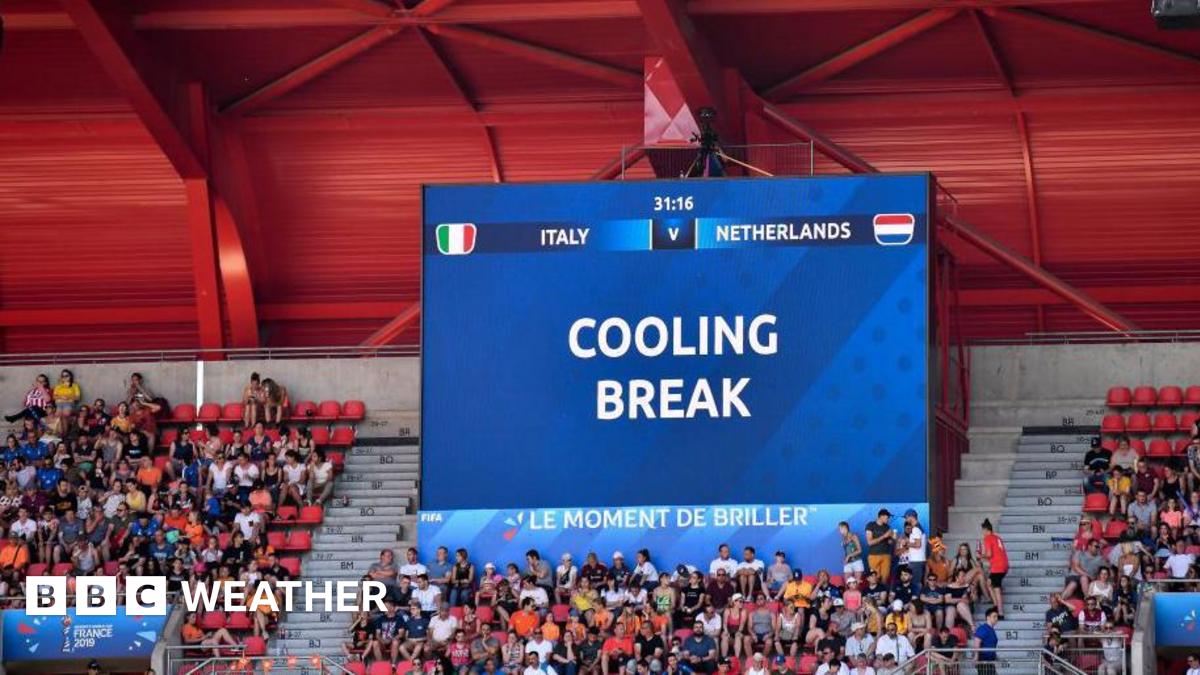
FIFA recognizes hot weather as a concern and, to protect player welfare, requires three-minute cooling breaks in each half of every match.
Humidity hinders the body's cooling, making conditions feel hotter. Two key measures will dominate discussions: the 'feels like' temperature, which reflects perceived heat, and the Wet Bulb Globe Temperature (WBGT), which gauges physical stress on athletes.
In Miami, for instance, summer air temperatures of 32C (90F) often feel like 43C (109F). A WBGT around 28C (82F) signals significant heat stress for elite players.
A 2025 study in the International Journal of Biometeorology found that 14 of 16 host cities exceeded 28C (82F) WBGT on summer afternoons. Six cities—Miami, Houston, Dallas, Monterrey, Kansas City and Atlanta—could hit 32C (90F) WBGT in the afternoon, marking extreme stress.
Matches avoid peak heat with late afternoon or evening starts. Scotland's Group C match against Brazil in Miami kicks off at 18:00 ET (23:00 BST).
Stadiums in Houston and Dallas feature retractable roofs and climate control. Heatwaves across North America and Mexico can spike temperatures 10C (50F) above average.
New York, site of the July 19 final at 15:00 ET (20:00 BST), could see mid-30s C (mid-90s F) air temperatures and 30C (86F) WBGT in a heatwave.
Thunderstorms pose the biggest visible threat, especially in Miami, Houston and Atlanta, where humid air fuels frequent storms.
Play stops if lightning strikes within 10 miles of a stadium, under US guidelines, until 30 minutes after the last strike. The Miami F1 Grand Prix recently started three hours early due to thunderstorm risks near Hard Rock Stadium, a World Cup venue.
Thunderstorms remain hard to forecast exactly. Extreme weather will challenge players and organizers throughout.
Fans face hot stadiums and fan zones, plus possible delays or evacuations from storms. Late finishes could disrupt transport and hotel stays.
UK viewers already face evening or overnight games due to time differences; weather delays could push those even later.
What's Your Reaction?
 Like
0
Like
0
 Dislike
0
Dislike
0
 Love
0
Love
0
 Funny
0
Funny
0
 Wow
0
Wow
0
 Sad
0
Sad
0
 Angry
0
Angry
0









Comments (0)