

Experts Weigh Pros and Cons of Adjustable-Rate Mortgages Amid 6% Fixed Rates

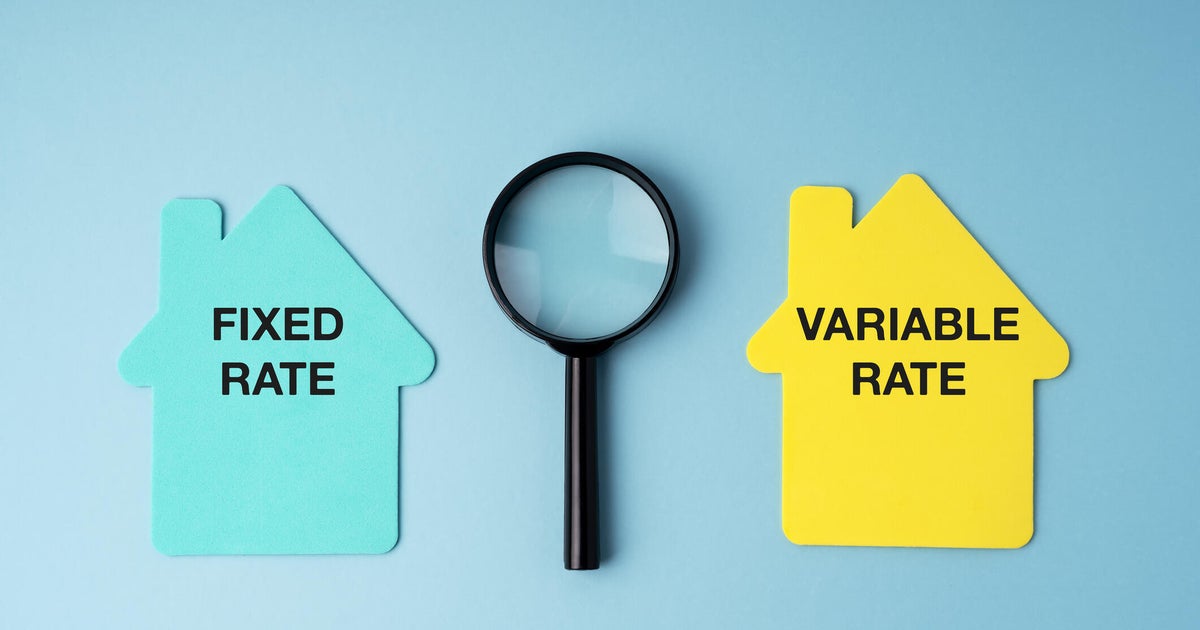
Mortgage rates have fluctuated recently but stayed around 6% for most 30-year conventional fixed-rate loans over the past few years. This has deterred many borrowers who remember 3% rates during the pandemic peak.
Adjustable-rate mortgages offer a different picture. These loans feature variable rates that start lower overall. The Mortgage Bankers Association reported an average 5.60% rate last week on 5/1 adjustable-rate mortgages.
That one-percentage-point gap appeals to budget-conscious buyers. Yet ARMs carry risks, particularly in the current economy. Experts outline when these loans might suit home purchases or refinances.
The key draw is the interest rate edge. Fixed-rate 30-year loans average 6.4% now, while 5/1 ARMs sit near 5.6%. This gap affects monthly payments and cash flow, especially with high gas prices and renewed inflation.
On a $300,000 loan, a 6.37% rate means $1,871 monthly. At 5.60%, it falls to $1,722, or $150 less. "In today's higher-rate environment, the lower introductory rate that comes with an ARM can help reduce monthly payments and improve affordability," said Jeff DerGurahian, head economist at loanDepot. "It can translate into meaningful monthly savings upfront."
ARM rates might decline further soon. "I expect ARM rates to fall as we progress further into 2026," said Andrew Marquis, senior vice president at CrossCountry Mortgage.
Still, ARMs have downsides. Rates shift after the initial fixed period, raising costs if market rates climb. Benefits appear in falling-rate periods, but surprises can hit otherwise.
Marquis sees no long-term guarantee of low rates. Adjustments years later could spike payments beyond budgets. Geopolitical conflicts add volatility. "Market interest rates have shown further volatility in recent weeks because of geopolitical conflicts, oil prices, inflation, and labor markets," Marquis said. "Pricing can shift day to day."
Higher rates could strain budgets amid inflation that rose again in April and elevated gas prices. "A lot will depend on the economy, what the Federal Reserve does next, and how tensions in the Middle East play out," DerGurahian said. "If the Fed signals that rates may stay higher for longer, ARMs could become less appealing because they're more sensitive to the short-term rates tied to the Federal funds rate. In that kind of environment, the savings compared with a fixed-rate mortgage could start to narrow."
The right choice hinges on finances and goals. ARMs fit if borrowers can handle potential increases amid inflation, or expect income growth. "It can also make sense for borrowers who expect their income to increase over time," DerGurahian said. "For example, someone early in their career, like a medical resident, may appreciate the lower payments upfront while knowing their earning potential is likely to grow in the years ahead."
They work for short-term owners planning to sell before adjustments. Forever homes call for caution, even with refinance hopes. "Buying your forever house with an ARM solely for a better payment with the hope of refinancing in the future is not a solid plan, primarily because it relies on hope," said Mike Nielsen, home loan specialist for Churchill Mortgage. "Hope is not a plan. What could work is if you buy the forever home with an ARM and plan to make aggressive payments during the first fixed portion to pay your home off quicker."
ARMs deliver lower starting rates and payments but risk higher costs without preparation. Borrowers should compare fixed and adjustable scenarios, check rate caps and consult professionals. "As with any mortgage decision, understanding how rate changes could affect your payment, and how much flexibility you have in your budget matters most," DerGurahian said. "A mortgage professional can help you weigh those risks and decide whether an ARM makes sense for you."
What's Your Reaction?
 Like
0
Like
0
 Dislike
0
Dislike
0
 Love
0
Love
0
 Funny
0
Funny
0
 Wow
0
Wow
0
 Sad
0
Sad
0
 Angry
0
Angry
0











Comments (0)