

Disney Implements Facial Recognition at Park Entrances for Faster Entry

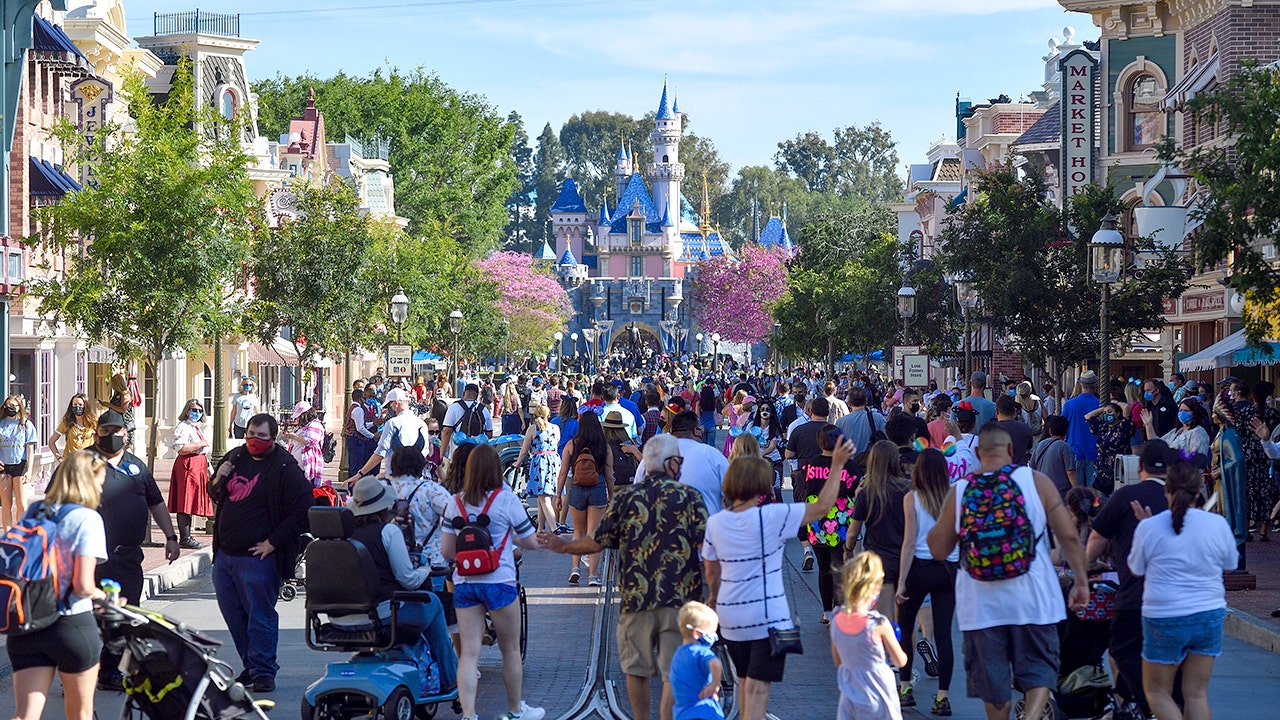
Visitors to Disneyland and Disney California Adventure scan in at the entrance, where a camera captures their face in a split second. The technology feels routine, like tapping a phone, but it marks facial recognition as a standard part of the park experience.
At entry gates, the system snaps a photo of a guest's face and turns it into unique numerical values. Those values match the image taken when the ticket or pass was first used. On re-entry, it verifies the person matches the stored data, skipping repeated ID checks or barcode scans.
A Disneyland official told CyberGuy the facial recognition operates at select gates to enhance the guest experience. It speeds re-entry and fights fraud, aligning with the company's privacy policy.
Signage marks gates with the technology. Opt-out lanes exist without it. Images become numbers, not stored photos. Disney's policy states the values delete within 30 days, unless needed for legal or fraud reasons. Children under 18 need parent or guardian consent; opt-outs get manual ticket checks by cast members.
Most guests pick the shortest line for quick access. Convenience trumps concerns, and many see the tech as unavoidable.
The trend extends elsewhere. Dodger Stadium offers Go-Ahead Entry via the MLB Ballpark app. Fans 18 and older upload selfies for numerical representations linked to accounts, allowing ticketless entry in designated lanes.
Intuit Dome, home of the LA Clippers, has a similar system per its privacy policy. Organizers for the 2028 Los Angeles Summer Olympics plan optional facial recognition for ticketing, with details pending.
Privacy groups like the American Civil Liberties Union and Electronic Frontier Foundation highlight risks. Biometric data cannot change if breached, making it prime for hackers. Systems show accuracy gaps for women and darker skin tones. Collected data might later aid law enforcement.
Disney applies technical, administrative and physical safeguards to guest data but acknowledges no system is foolproof. Long-term effects remain uncertain.
At theme parks, stadiums or venues, check for opt-out options, review data policies and consider child data handling. The scan passes so fast many miss it entirely.
What's Your Reaction?
 Like
0
Like
0
 Dislike
0
Dislike
0
 Love
0
Love
0
 Funny
0
Funny
0
 Wow
0
Wow
0
 Sad
0
Sad
0
 Angry
0
Angry
0








Comments (0)