

Men Use Meta Ray-Bans to Secretly Film Women in Public, Sparking Privacy Fears

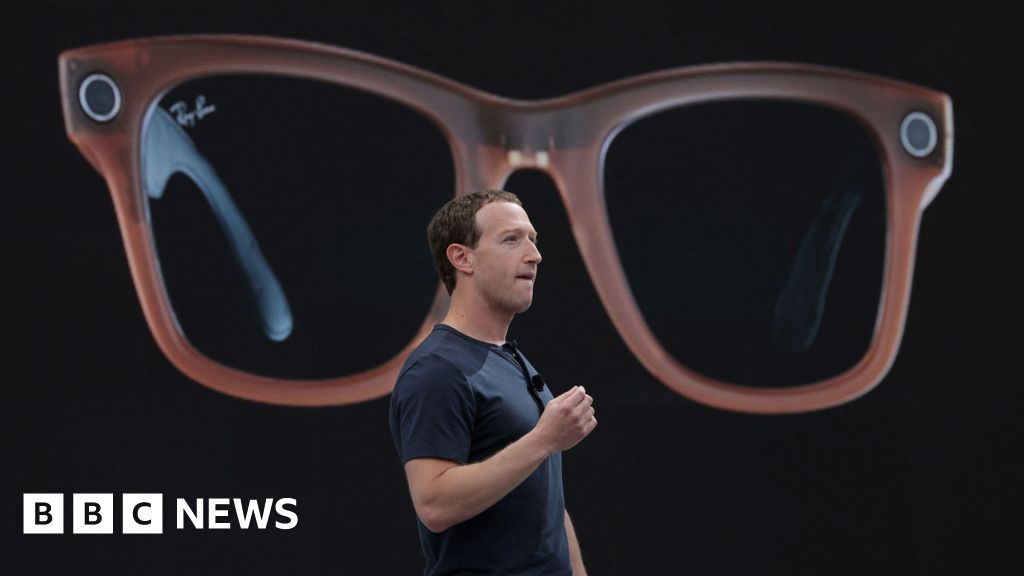
Men wearing Meta's Ray-Ban smart glasses approach women leaving beaches, entering shops or standing outside. They film responses to casual questions or pickup lines without the women's knowledge or consent.
The women discover the videos only after they spread online, often with abuse. Legal options remain limited because public photography is generally allowed. One woman told the BBC that when she asked the poster of her secret recording to delete it, he replied that removal was "a paid service".
Meta's glasses dominate the market with more than 80 percent of AI or smart glasses sales. The company launched the first major product of its kind in recent years. Partnering with EssilorLuxottica, the glasses offer Ray-Ban's classic style plus a nearly invisible frame camera, arm speakers and display lenses. Users record video or snap photos with a frame tap.
The camera proves so discreet that even wearers get surprised by what and when it captures, and where files end up.
Kenyan workers reviewing glasses videos for Meta's AI training reported graphic content like sex and bathroom scenes. Owners then filed two lawsuits. One claimed ignorance of such videos' creation. The other alleged unawareness that Meta shared their videos for review.
Meta stated, "We have teams dedicated to limiting and combating misuse, but as with any technology, the onus is ultimately on individual people to not actively exploit it."
Other tech firms eye the category. Apple develops smart glasses, possibly for next year. Snap plans new Specs this year. Google prepares another attempt over a decade after pulling Google Glass amid privacy backlash within two years.
Smith, a tech-savvy partner at ISG focused on enterprise software, values the glasses for everyday use. He listens to music or podcasts while washing dishes without blocking ambient noise. Calls connect easily. Travel photos require no phone fumbling.
Still, he noted obvious privacy risks. The recording light dims in daylight and goes unnoticed. Most people mistake the glasses for ordinary eyewear.
Researchers predict 100 million pairs sold in coming years if sales match Meta's. Institutions will struggle to ban recording in courthouses, museums, theaters, hospitals and bathrooms when millions of glasses double as cameras.
David Kessler, who leads the US privacy practice at Norton Rose Fulbright, said his corporate clients already face these issues. "There are some pretty dark places we could go here," he said. "I'm not anti-technology in any sense, but as a societal matter...will I need to think [of being recorded] anytime I go out in public?"
Meta plans facial recognition for future glasses, letting wearers record and identify people secretly.
The company markets the glasses as "Designed for privacy, controlled by you." It advises against recording objectors and full shutdowns in sensitive areas.
Young men wearing them trick people into fake petitions or get retail workers to sniff foul-scented candles. Some steal drive-thru food on camera while fleeing.
Influencer Aniessa Navarro felt ill upon noticing her waxing technician's Meta glasses. The technician claimed they were off and needed for prescription lenses.
"Technology like this is fundamentally an invasion of privacy and it's really going to face more and more backlash," said an unidentified man.
In December, a man posted video of a woman breaking his Meta glasses on the New York City Subway. He got no sympathy. Commenters called her a hero.
What's Your Reaction?
 Like
0
Like
0
 Dislike
0
Dislike
0
 Love
0
Love
0
 Funny
0
Funny
0
 Wow
0
Wow
0
 Sad
0
Sad
0
 Angry
0
Angry
0











Comments (0)