

CBS Reporter's Book Details Pacific Palisades Fire Failures and Rushed Rebuild

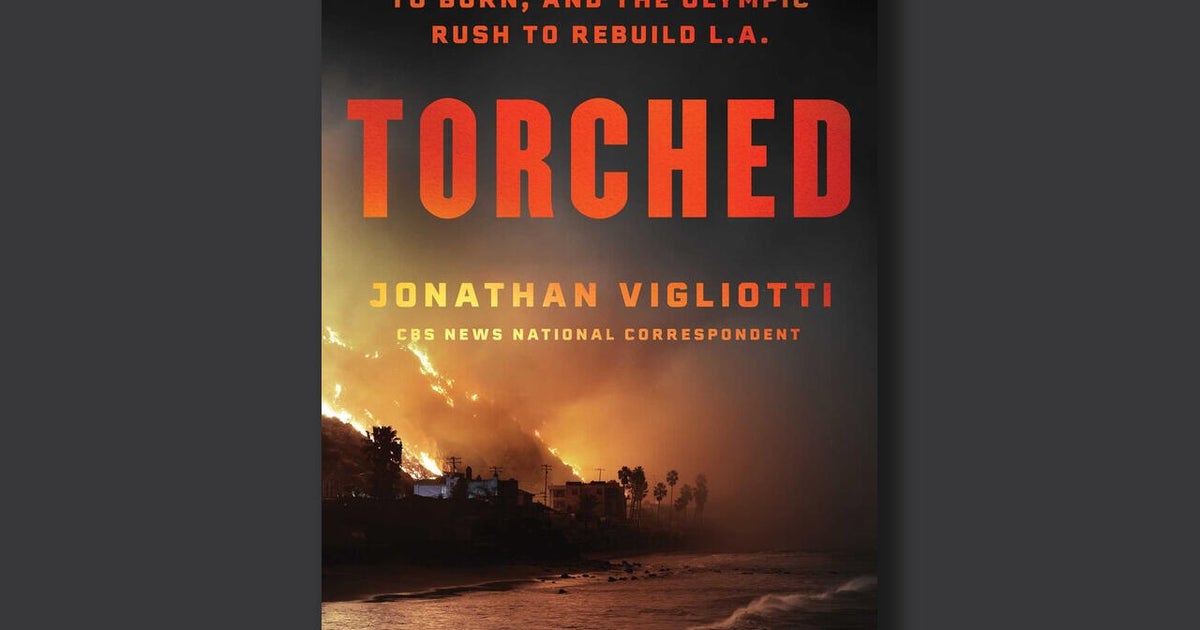
In his book 'Torched: How a City Was Left to Burn, and the Olympic Rush to Rebuild L.A.,' set for release May 12 by One Signal/Atria Books, CBS News national correspondent Jonathan Vigliotti describes the inadequate response to last year's wildfires in Southern California. Those fires destroyed thousands of homes and businesses.
The book offers an excerpt on Pacific Palisades, a clifftop community named for its mahogany-colored sandstone and shale cliffs resembling wooden palisades. Developers promoted the site in the early 1900s as an escape from Los Angeles, eighteen miles away. Travel then required an all-day journey by horse-drawn carriage over dirt roads.
The area evolved from a Hollywood frontier with early movie studios filming Westerns, to a Methodist utopia in 1922 with modest bungalows, to a 1940s haven for Nazi-fleeing intellectuals and artists. By the twenty-first century, tiny bungalows gave way to sprawling estates for entertainment elite.
January 7, 2025, brought the reckoning. Smoke rose over the Santa Monica Mountains before 10:29 a.m. from a vegetation fire in Temescal Canyon. The spot held a smoldering ember from fireworks a week earlier. A breeze fanned it into flames.
Fire crews arrived too late. Without a fire line, flames raced downslope into homes on Floresta Place, Bienveneda Avenue and La Puerta del Sol—streets the Los Angeles Fire Department considered non-defensible. Residents evacuated on their own with no official guidance. Sunset Boulevard clogged with gridlocked cars, blocking fire engines.
"Civilians abandoning cars are impeding firefighting operations. Shelter in place at the top of Palisades Drive," a radio call urged. Panic turned roads into chokepoints. Engines rerouted as neighborhoods became isolated.
Homeowners fought forty-foot flames with garden hoses. "Where are the firefighters?" they shouted amid dry chaparral and eucalyptus. By nightfall, 100-mile-per-hour winds roared through canyons. The brush fire grew into a front consuming five football fields a minute. A plume visible from space loomed overhead.
The blaze tore through town for three days before backup pushed it back. It smoldered for weeks. Four in five structures vanished; neighborhoods and the business core lay in ash and twisted steel.
Pacific Palisades defenses suited an outdated climate. Nearly half of U.S. homes predate 1980, before megafires. Modern codes trail warming trends. Leaders allow building in risky spots and subsidize it.
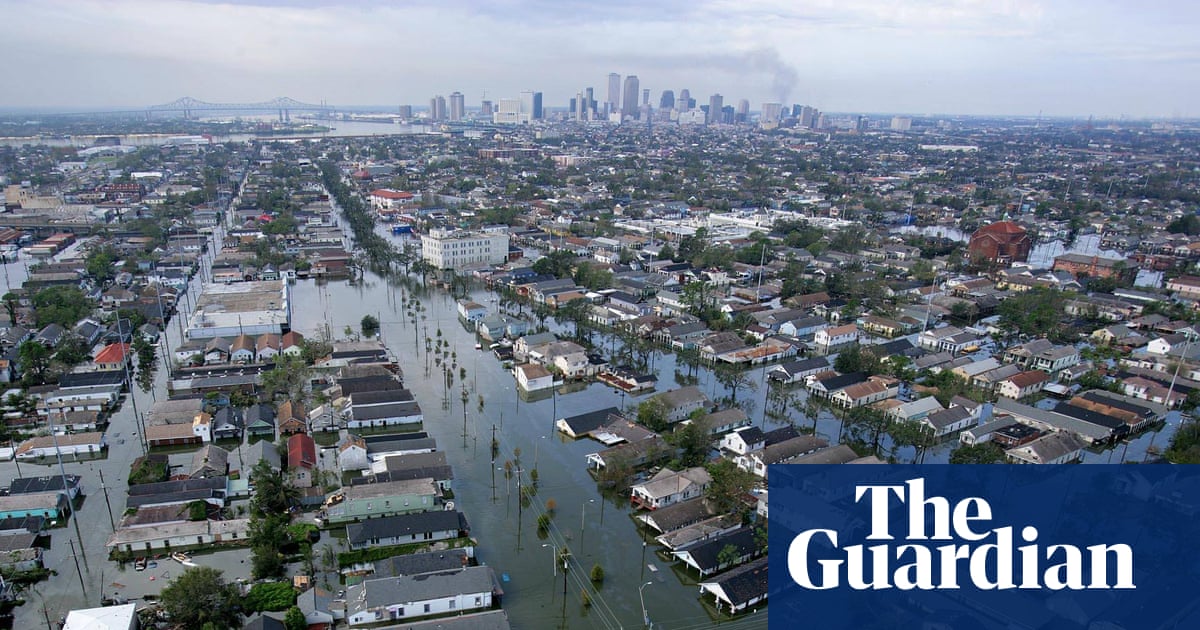
"As hard as rebuilding housing is, real change—that's even harder. And it takes courage to experiment with new ideas and change the old ways of doing things. That takes time," President Barack Obama said in New Orleans on Hurricane Katrina's tenth anniversary.
No such comments followed the Palisades Fire. Officials blamed wind and drought while flames raged. They ignored homeowners and private crews who held lines where public engines failed. Admitting faults would reveal city errors.
Vigliotti's team reached the fire early and stayed four days, witnessing response failures from spark to aftermath. Officials hesitated. Resources never arrived. Bureaucracy crumbled with the town.
Political rivals united on rebuild, but not for safety. Personal legacies drove it. Recovery experts call it deeply flawed and fast-tracked. The book argues the Palisades could have been saved. Other communities can act now.
Pacific Palisades offers a global warning on failing to adapt. "The short memories of American voters is what keeps our politicians in office," wrote Will Rogers, actor, social critic and longtime Palisades resident.
What's Your Reaction?
 Like
0
Like
0
 Dislike
0
Dislike
0
 Love
0
Love
0
 Funny
0
Funny
0
 Wow
0
Wow
0
 Sad
0
Sad
0
 Angry
0
Angry
0


Comments (0)