

Antarctic Treaty Talks Open in Japan on Emperor Penguins, Tourism

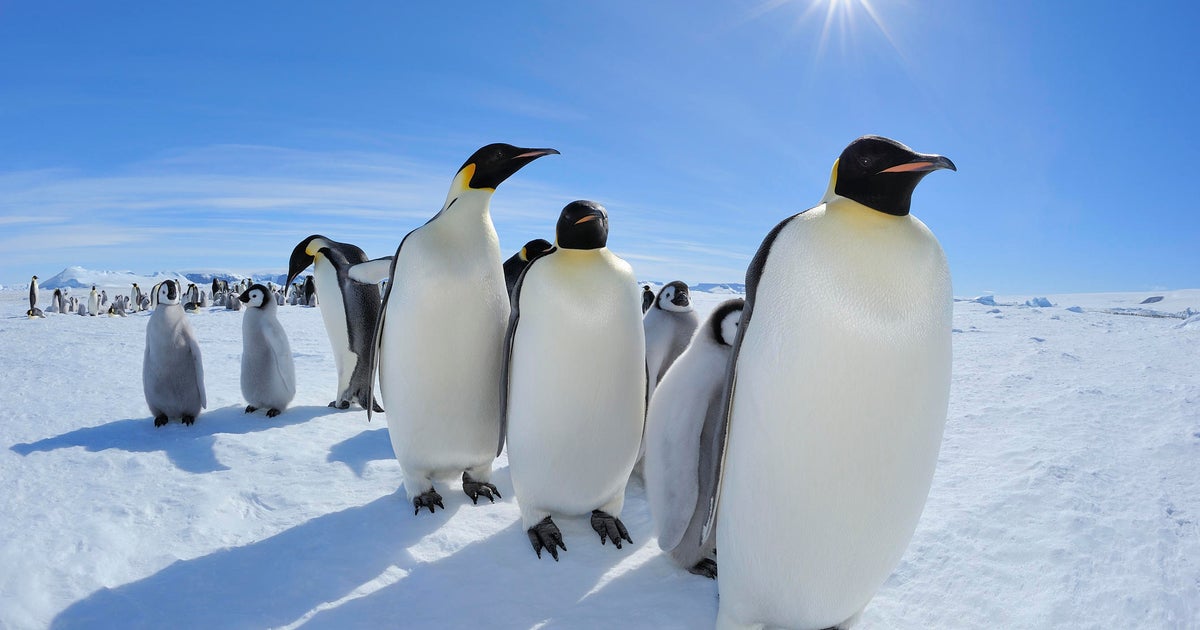
Greater protections for endangered emperor penguins and ways to manage expanding tourism lead the agenda at Antarctic Treaty talks opening Tuesday in Japan.
Officials from the nearly 60 signatory countries gather in Hiroshima for annual discussions on safeguarding and administering the fragile continent.
The 1959 Antarctic Treaty shields the land and its wildlife, setting it aside for science and peace while suspending territorial claims.
"The discussions taking place here in Hiroshima are especially important at a time when Antarctica is increasingly affected by global challenges such as climate change," Francisco Berguno, executive secretary of the Antarctic Treaty Secretariat, said at a news conference Tuesday.
Berguno said the continent "plays a critical role in regulating the Earth's climate and oceans" and called for "long-term thinking, careful management, and international trust."
"Decisions taken here help ensure that human activity in Antarctica remains carefully managed, environmentally responsible and scientifically driven," he added.
Some 400 government officials and researchers from about 50 countries, including the United States, China, Russia and Ukraine, are set to attend, according to Jiji Press.
The status of emperor penguins tops the watched issues this year after the International Union for the Conservation of Nature declared them endangered last month.
The World Wildlife Fund pushes to designate the birds a specially protected species at the Hiroshima meeting, a step that could limit shipping and tourism stressing the population.
Penguin numbers have dropped mainly because climate change breaks up their sea ice habitat earlier, disrupting living, hunting and breeding.
"These icons on ice may well be heading down the slippery slope towards extinction by the end of this century unless we act now," said Rod Downie, WWF chief adviser for polar and oceans, in a statement.
Consensus on stronger protections remains uncertain, with some sources saying a decision is unlikely in Hiroshima.
Delegates also face a surge in tourists, nearly 120,000 in the 2024-25 season. They will consider limits on areas or activities and possible quotas.
Experts say current rules fail to address the growing variety of tourism, including kayaking, hot air ballooning and motorbiking.
"How to regulate and manage tourism in Antarctica has become a key issue," said Hideki Uyama of Japan's foreign ministry, which chairs the meeting.
Scientists sounded alarms in August about sudden, possibly irreversible shifts in Antarctica from climate change. Such changes could raise global sea levels by meters and bring "catastrophic consequences for generations."
A review by top experts, published in the journal Nature, detailed speeding changes across the region that both stem from and drive global warming.
What's Your Reaction?
 Like
0
Like
0
 Dislike
0
Dislike
0
 Love
0
Love
0
 Funny
0
Funny
0
 Wow
0
Wow
0
 Sad
0
Sad
0
 Angry
0
Angry
0







Comments (0)