

California Health Officials Warn Mushroom Foragers After Deadly Poisoning Outbreak

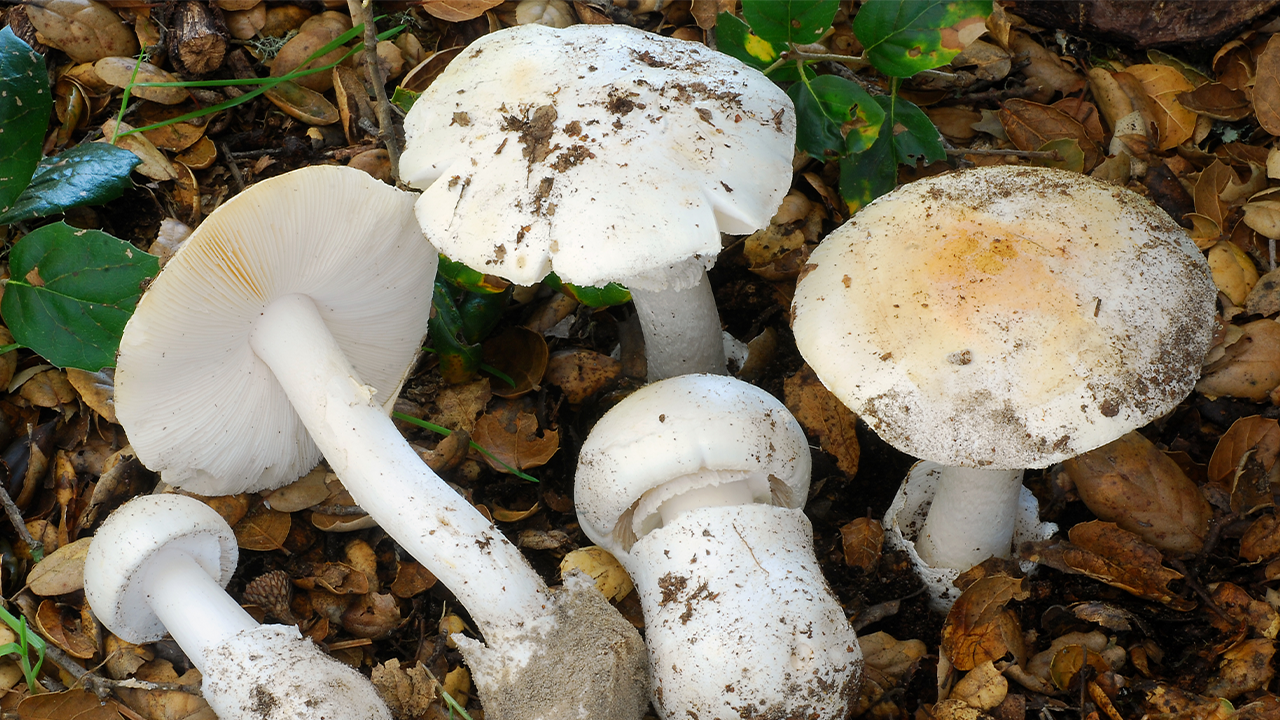
Three adults landed in the hospital over the weekend after eating toxic wild mushrooms in Napa County, California. Health officials responded this week with fresh warnings about a fatal outbreak across the state.
The California Department of Public Health reports that two deadly species, the death cap (Amanita phalloides) and western destroying angel (Amanita ocreata), have poisoned at least 47 people and killed four since mid-November. A dozen counties have seen cases, with recent wet weather driving the surge.
"Poisonous mushrooms can look and taste similar to safe mushrooms, and even experienced mushroom hunters have been affected by this outbreak," Napa County Public Health Officer Christine Wu wrote in a statement. "State health officials also caution that newly arrived residents might fatally mistake these toxic California fungi for safe varieties they are accustomed to foraging in their home countries."
The public health department emphasized that cooking, boiling, freezing or drying toxic mushrooms does not make them safe to eat.
Symptoms typically emerge six to 24 hours after ingestion. Initial signs include severe stomach pain, cramping, vomiting, diarrhea, confusion and low blood pressure.
Even if those early symptoms subside within a day, victims can still face liver or kidney failure, or seizures, two to three days later.
Officials advise residents to steer clear of wild mushrooms altogether, supervise children outdoors, keep pets away from them and buy mushrooms only from trusted stores. Anyone who suspects they ate a poisonous wild mushroom should seek emergency care right away and call the California Poison Control Hotline at 1-800-222-1222.
Victims should store any uneaten portions in a paper bag or waxed paper in the refrigerator, or photograph the cap, stem and underside to aid doctors in identifying the toxin.
What's Your Reaction?
 Like
0
Like
0
 Dislike
0
Dislike
0
 Love
0
Love
0
 Funny
0
Funny
0
 Wow
0
Wow
0
 Sad
0
Sad
0
 Angry
0
Angry
0










Comments (0)