

PMDD leaves women with monthly suicidal thoughts, doctors say


The morning after she tried to end her life, Annika Waheed's period started. The feelings of despair left her and the weight of the world lifted.
"Did I really do that?" she asked her sister, who had stayed close to keep her safe as she slept off an attempted overdose.
"Yes, you did."
Annika would spend two weeks of every month haunted by suicidal thoughts. Then, like the flick of a switch, the darkness would lift as soon as her period began and she would be able to see and function again.
"How can my hormones do this to me?" she asks.
The 42-year-old has had premenstrual dysphoric disorder, or PMDD, for more than eight years. The condition causes severe psychological and sometimes physical symptoms in the one to two weeks before a period.
It can strike at any point in a woman's life but often appears during times of major hormonal change, such as puberty, after childbirth or during menopause.
While premenstrual syndrome can leave women tired, irritable and bloated, PMDD can trigger intense anxiety, depression and psychological distress. Physical symptoms such as fatigue, headaches and joint pain can also occur, but a mood-related symptom is required for diagnosis.
The International Association for Premenstrual Disorders estimates more than a million women in the UK may be affected, though only a fraction have been diagnosed. Studies suggest women with PMDD are more likely than the general population to have suicidal thoughts and to attempt suicide.
"PMS can be really hard," Annika says. "But this? This is something else. It is like the Grim Reaper coming for us every month. You can feel it, and there is nothing you can do about it."
Researchers in Scotland have created a suicide prevention tool to help clinicians identify women showing signs of PMDD. Dr Lynsay Matthews of the University of the West of Scotland led the work.
"For so long, women have lived with this condition and not had any idea what could be causing it," she says. "Even though the menstrual cycle plays such a huge part in a woman's health, it is often not brought up in doctors' consultation rooms."
The model, now available to clinicians, shows how women with PMDD may react differently from the wider population when it comes to suicide. The next step is to test how well it works in practice, with the aim of rolling it out across the NHS.
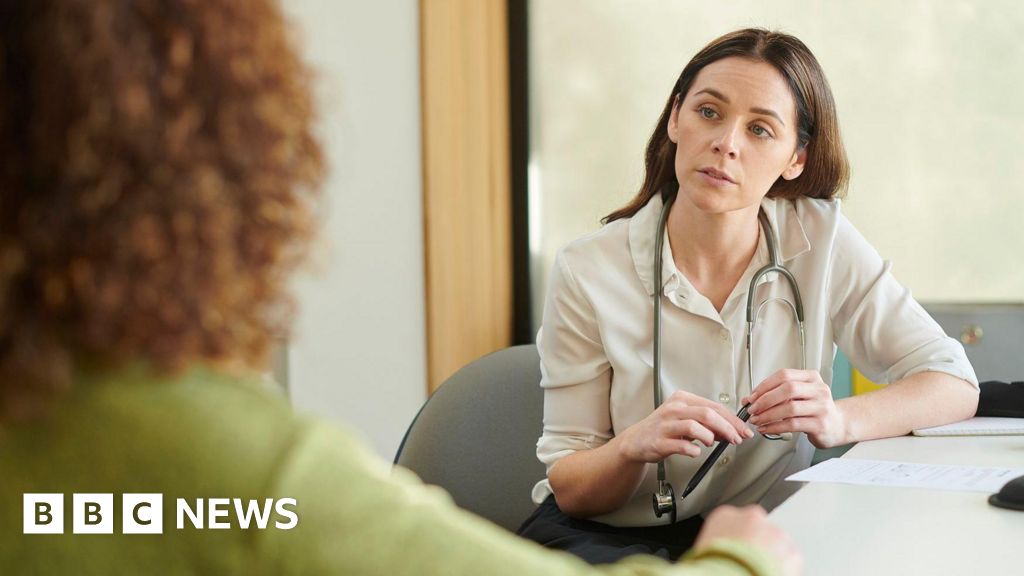
Dr Helen Wall, a GP in Bolton who specialises in women's health, says doctors still struggle to link symptoms to a woman's periods. "We have to listen to women's stories and understand what is happening in the context of their hormones," she says. She notes that appointments last 10 or 15 minutes at most, making it hard to take a full history when a patient is in crisis.
More women are sharing their experiences on social media, where #PMDD posts have been viewed more than 230 million times on TikTok.
Katie Cook was diagnosed with PMDD in 2025 at the age of 21 after a decade of unexplained symptoms. She believes the condition began when she started her periods at 12. "It's like I'm Jekyll and Hyde," she says. In the days before her period, her body aches, she is sensitive to light and sound, and everything feels overwhelming.
Her GP had told her the mood swings were part of growing up. Katie began tracking her symptoms and noticed a pattern. In her first year at university, a doctor asked if she had heard of PMDD, and "everything started to make sense."
Annika says a diagnosis is validating in itself. She believes earlier recognition could have prevented her from reaching a crisis point. "I wouldn't have been gaslit by doctors," she says. "If doctors understand, then patients understand."
Treatments include antidepressants, the contraceptive pill and the Mirena coil. Annika now receives hormone-blocking injections to stop her menstrual cycle. Within minutes of the medication wearing off, she says she can feel anger, fury or despair return.
Lily Rose Winter, 31, is considering chemical menopause after years of trying treatments that have not eased her symptoms. "I am learning to reframe it," she says. "Instead of trying to be positive and saying I should be feeling OK, I tell myself it's OK that I don't feel grateful to be alive today, and it will pass."
A Department of Health and Social Care spokesperson said women with PMDD "have been failed for far too long." The renewed Women's Health Strategy aims to ensure women are listened to from their first appointment and referred to the right specialist without delay.
What's Your Reaction?
 Like
0
Like
0
 Dislike
0
Dislike
0
 Love
0
Love
0
 Funny
0
Funny
0
 Wow
0
Wow
0
 Sad
0
Sad
0
 Angry
0
Angry
0








Comments (0)