

Australians seek ways to cut plastic waste from beauty products

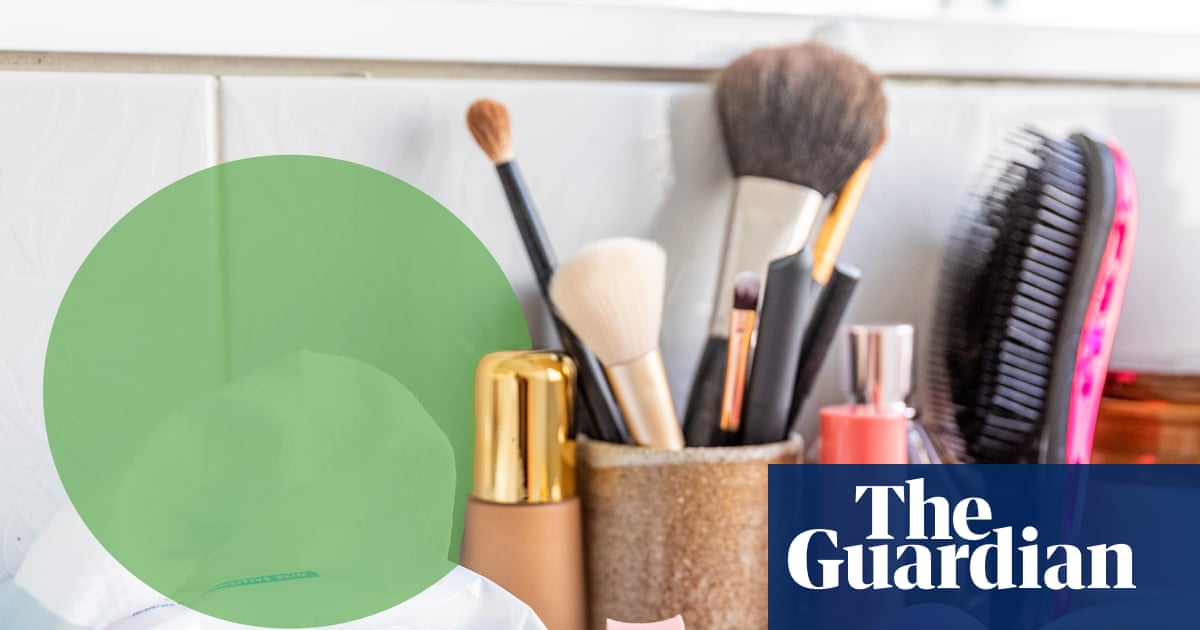
Who has not opened a bathroom cupboard during a cleaning spree, scanned the shelves of half-used volumiser, forgotten eye-shadow palettes and blunt razors, and tossed them in the bin one satisfying clunk at a time? Very few people, given that 95 percent of cosmetic packaging is thrown away.
The Australian cosmetics and beauty industry was valued at $17.25 billion in 2025. Almost 60 percent of beauty packaging is plastic, and the complicated design of spray bottles, pumps and tubes makes them difficult to recycle.
Waste from personal care products is hard to avoid, but simple changes can reduce the plastic in a bathroom cabinet.
The best starting point is to buy less, choose locally made products with natural ingredients, and avoid single-use items. Simple swaps include replacing a plastic loofah with a plant-based one and swapping makeup-remover wipes for water and a face towel. Where possible, select glass, aluminium, wood or certified paper packaging.
Dr Anita Vandyke, author of A Zero Waste Life: In Thirty Days, advises people to review their shower products, skincare and makeup and keep only items they finish. “A product you love and actually finish is infinitely better than five products you don’t,” she says. She recommends a minimal, curated set of products.
Switching from liquid hand and body wash to bar soap is one of the simplest ways to cut plastic. Many organic grocers and health-food stores sell Australian bars made from natural ingredients, some sold unwrapped or tied with string.
Avigon Paphitis, founder of Gorgeous Nothings, keeps her bar on a drainage dish so it dries between uses. The same switch works for shampoo and conditioner. Vandyke says early shampoo bars were hit-and-miss, but formulations have improved. Paphitis recommends the Spanish brand Rowse and the Italian Davines Love bar; locally made options are available in most supermarkets.
Performance depends on hair type, density and texture, so some trial and error may be needed. Bar formats are also available for cleansers and deodorants. Noosa Basics sells deodorant bars in small aluminium tins that can be reused; Flora and Fauna offers another online option.
If bars are not suitable, refillable bottles are an alternative. Vandyke notes that bulk-refill stores such as The Source Bulk Foods now operate about 50 outlets across Australia. Supermarkets stock refillable hand and body wash from brands including Thankyou, Koala Eco, Grown Alchemist, Aesop and Ikkari. Shampoo and conditioner refills are available from Hunter Lab, Skelp and The Commonfolk. The soft refill pouches cannot go in kerbside recycling and must be returned to specialist recyclers.
Skincare packaging often comes in pumps, tubes and small pots. Vandyke suggests looking for glass, aluminium, paper-based or refillable options. Paphitis says makeup is harder to change because plastic alternatives for items such as mascara are limited. Where possible, choose aluminium, metal-alloy or wooden packaging.
Some progress has been made on recycling. Terracycle and Close the Loop accept many beauty and personal-care products and have partnered with retailers including Mecca and Sephora for drop-off points. Mail-back programs are also available. Containers do not need to be clean, but they should be emptied as much as possible. Unused makeup and oils should be placed in the bin rather than poured down the sink to avoid clogging pipes.
What's Your Reaction?
 Like
0
Like
0
 Dislike
0
Dislike
0
 Love
0
Love
0
 Funny
0
Funny
0
 Wow
0
Wow
0
 Sad
0
Sad
0
 Angry
0
Angry
0










Comments (0)