

US strikes southern Iran in test of ceasefire

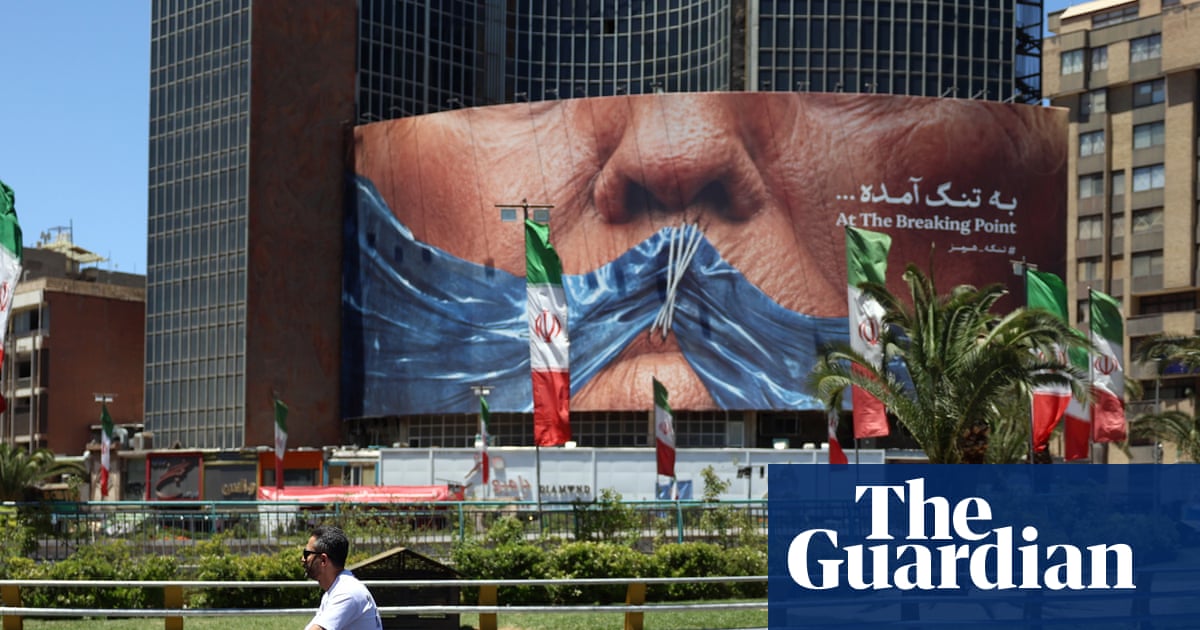
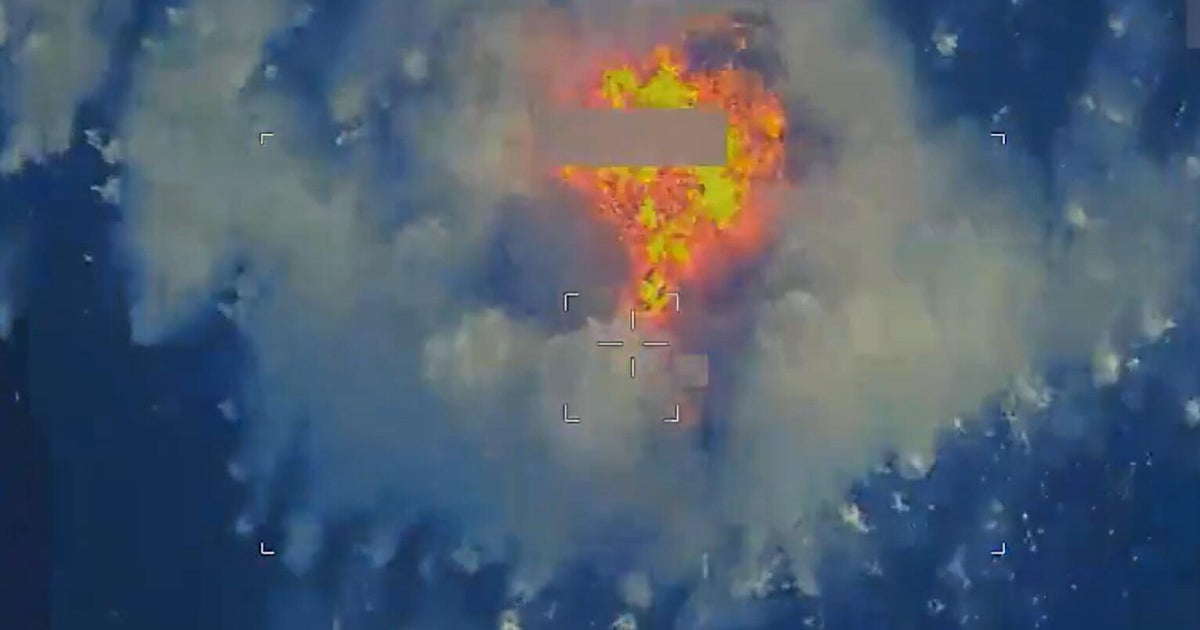
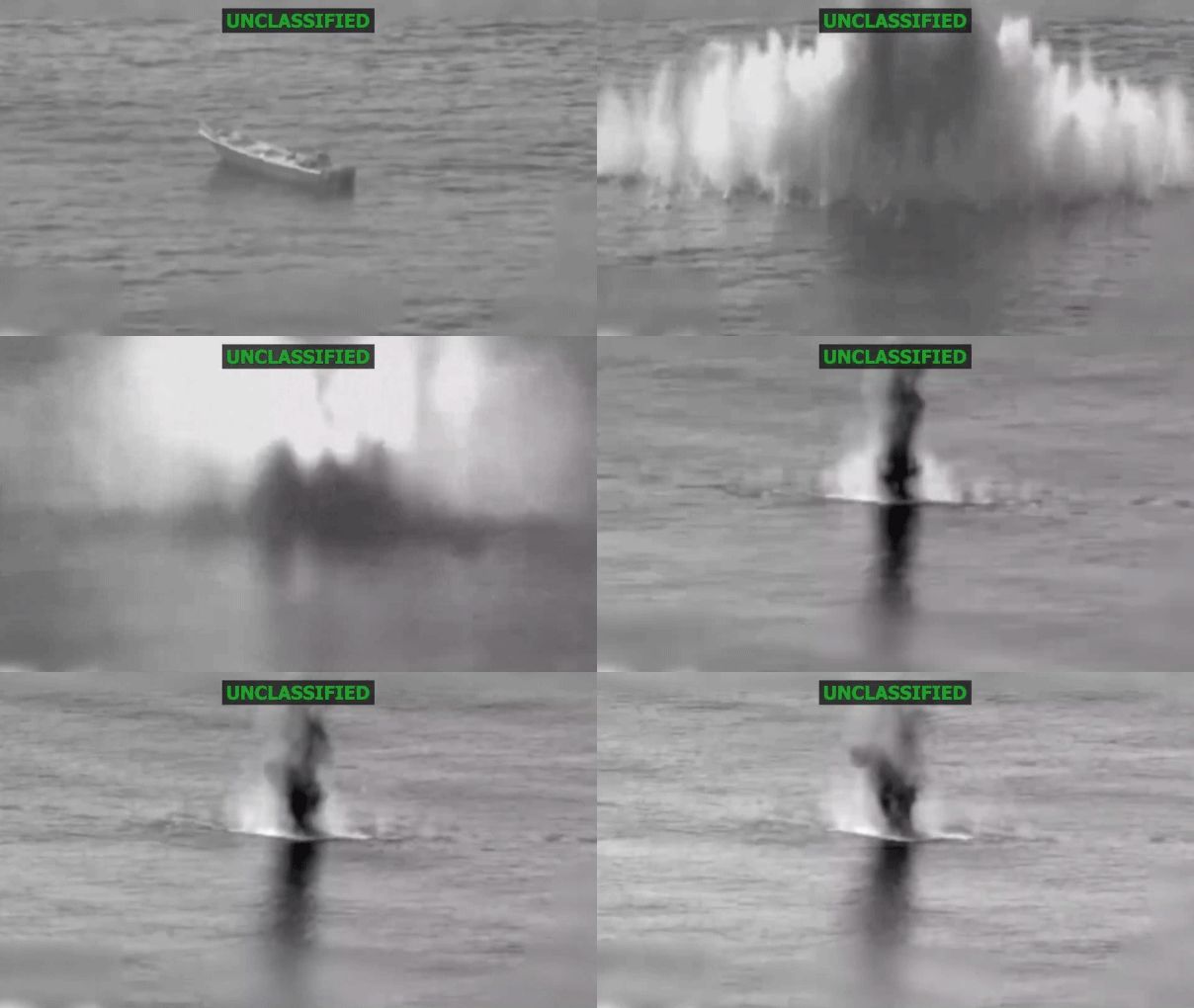
The United States launched strikes on southern Iran on Tuesday, targeting missile launch sites and boats attempting to lay mines.
US Central Command said the action was defensive and did not signal the end of the seven-week ceasefire. Navy Captain Tim Hawkins said the command continues to defend US forces while using restraint.
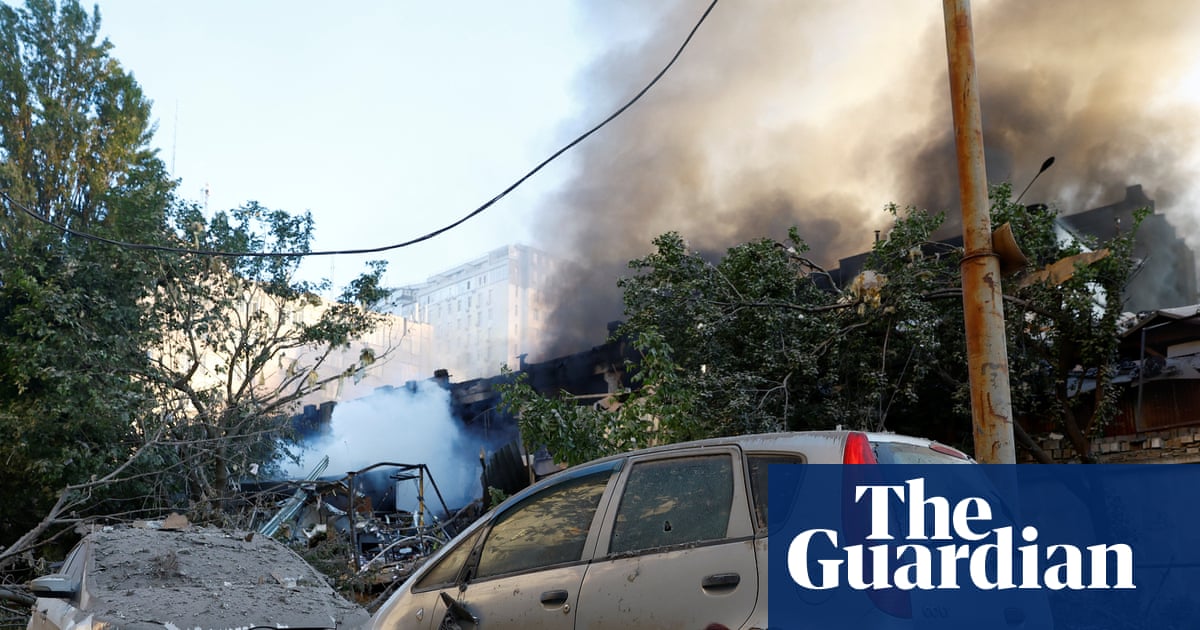
Iranian media reported four Revolutionary Guard troops killed in the strikes on boats. State television said blasts occurred around Bandar Abbas, a port city on the Strait of Hormuz. The state news agency Mehr later said the situation was under control.
The strikes came as Mohammad Bagher Ghalibaf, speaker of Iran’s parliament, led a delegation to Qatar that included Foreign Minister Abbas Araghchi and Central Bank Governor Abdolnaser Hemmati.
Hemmati’s presence has raised speculation that the talks will focus on the release of frozen Iranian assets. The proposed deal would reportedly allow Washington to unfreeze some assets held in banks outside Iran, including in Qatar.
President Trump has faced criticism from Republicans who say the reported terms resemble the 2015 nuclear agreement he withdrew from. The memorandum under discussion would reportedly require Iran to reopen commercial shipping through the Strait of Hormuz but would not address nuclear issues.
Trump has said his main goal is to stop Iran from developing a nuclear weapon. On Monday he posted on social media that Iran’s enriched uranium could be destroyed inside the country under international oversight.
On Tuesday Secretary of State Marco Rubio said a deal remains possible despite the strikes. He told reporters in India that the Strait of Hormuz would open “one way or another.”
Iran has said future management of the strait, through which about a fifth of the world’s oil and liquefied natural gas flows, will be decided with Oman and could include fees for navigation services.
Trump wrote on Truth Social that talks were going “nicely” but warned of new attacks if they fail. Iran has insisted that any agreement must also include a ceasefire in Lebanon.
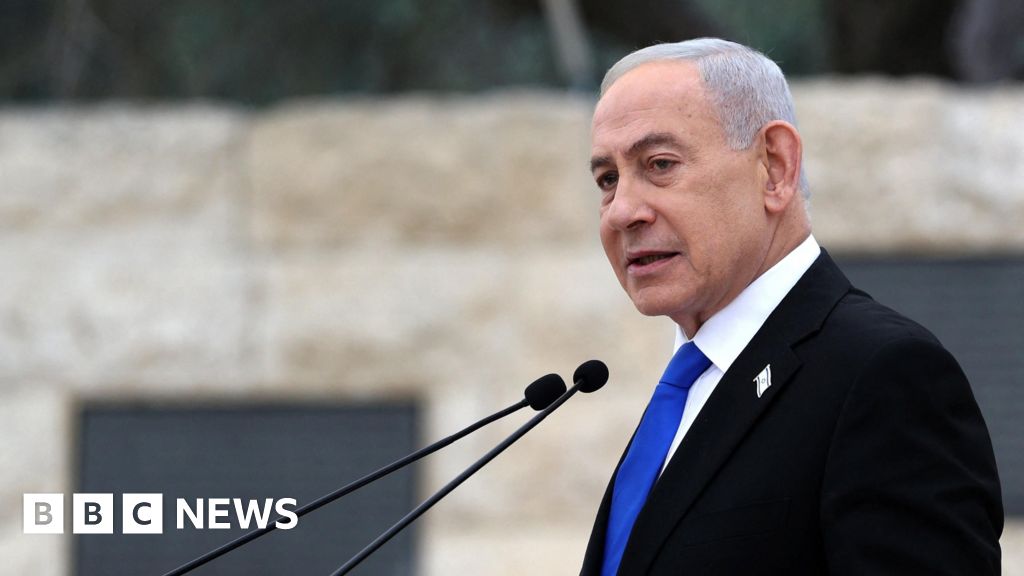
Israeli Prime Minister Benjamin Netanyahu said Monday that Israel would intensify strikes on Hezbollah in Lebanon. Israel and Lebanon agreed to a ceasefire in mid-April, but Israel has continued airstrikes it describes as self-defense.
What's Your Reaction?
 Like
0
Like
0
 Dislike
0
Dislike
0
 Love
0
Love
0
 Funny
0
Funny
0
 Wow
0
Wow
0
 Sad
0
Sad
0
 Angry
0
Angry
0



Comments (0)