

Protests spread in India over relocated Pfas plant from Italy

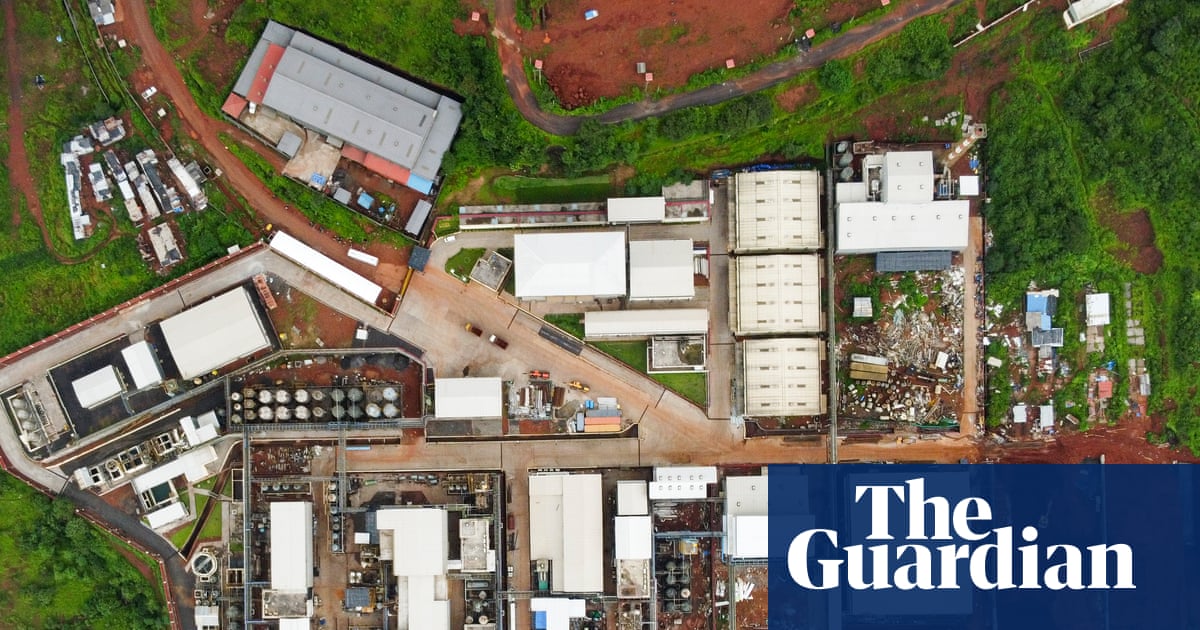
Protests over the production of cancer-linked Pfas chemicals have spread across India after an investigation showed that an Italian factory closed for environmental violations was bought by an Indian company and partly rebuilt.
At the end of last year, the Guardian reported that the former Miteni plant in Vicenza had been acquired by Laxmi Organic Industries. The factory produced Pfas and was shut down in 2018 after being tied to one of Italy’s worst environmental contamination cases.
In June 2025, former Miteni executives were convicted over contamination linked to the plant in a first-instance ruling seen as a landmark for environmental justice in Europe.
The factory left behind pollution in one of Europe’s largest aquifers, affecting more than 350,000 people across the provinces of Vicenza, Verona and Padua through drinking water. Miteni’s workers were worst affected, with one former employee showing one of the highest concentrations of Pfas ever recorded in human blood.
High levels of Pfas in the blood are associated with increased risk of cancer, cardiovascular diseases, liver and kidney damage, reproductive disorders and other conditions.
The factory’s equipment was dismantled, shipped and reassembled in Lote Parshuram, south of Mumbai. Its purpose remained the same: producing Pfas, often called “forever chemicals” because of their persistence in the environment.
The investigation found that Laxmi included in its portfolio some of the same products once made by Miteni and kept commercial ties with clients that previously bought from the Italian company. Laxmi has denied allegations of pollution.
Since early 2025, Laxmi’s site in Lote Parshuram has been fully operational, producing chemicals used in pesticides, pharmaceuticals, dyes, cosmetics and other products.
After the Guardian’s investigation was published, protests and political debate spread across India. On 8 January, the first protest took place outside the gates of the Lote plant and was covered live by multiple television channels.
On 2 February, the issue reached India’s parliament. In the Rajya Sabha, the upper house, MP Pramod Tiwari called for a federal investigation into the authorisation process and noted that India still had no specific regulation on Pfas.
“This pollution-related controversy has exposed major concerns over the transfer from Europe to India of industrial equipment linked to pollution, and over the lack of Pfas regulations in the country,” Tiwari said.
A few days later, environment minister Kirti Vardhan Singh confirmed in a written statement that there was no specific environmental regulation banning Pfas manufacturing in India.
Several key questions remain unanswered around the relocation. Documents seen by the Guardian show that by March 2018, months before the Italian plant shut down, plans for the Indian facility were ready and work had begun on the environmental impact assessment report and the applications for construction permits.
These documents raise questions about how long plans to relocate operations from Europe to India had been under way before the closure of the Italian site.
In early March, a video call for the first time brought together Indian activists, representatives of contaminated areas in Europe, scientists and members of the European parliament. The meeting took place during events organised by MEP Cristina Guarda and the European Environmental Bureau as part of discussions around a proposed European ban on Pfas.
On 5 March, activists gathered outside the headquarters of the European Commission in Brussels, bringing the story back into the spotlight in India.
On 3 April, Laxmi held a press conference denying any allegations of pollution and saying it operated in full compliance with Indian regulations. The company did not respond to multiple requests for comment for this article.
By April, thousands of people had again taken to the streets in Lote to protest against Pfas production and call for regulations. The demonstrations brought together environmental activists, local residents and political representatives, and the national debate is expected to grow.
Varrun Sukhraj, a writer, film-maker and founder of the activist group The Next Indians, said: “For years we were told this was the price of development. But no community should be forced to choose between jobs and health. What has been rejected in Europe cannot simply be moved elsewhere and repackaged as progress.”
What's Your Reaction?
 Like
0
Like
0
 Dislike
0
Dislike
0
 Love
0
Love
0
 Funny
0
Funny
0
 Wow
0
Wow
0
 Sad
0
Sad
0
 Angry
0
Angry
0







Comments (0)