

US Ship Escort Through Strait of Hormuz Tests Four-Week-Old Gulf Ceasefire

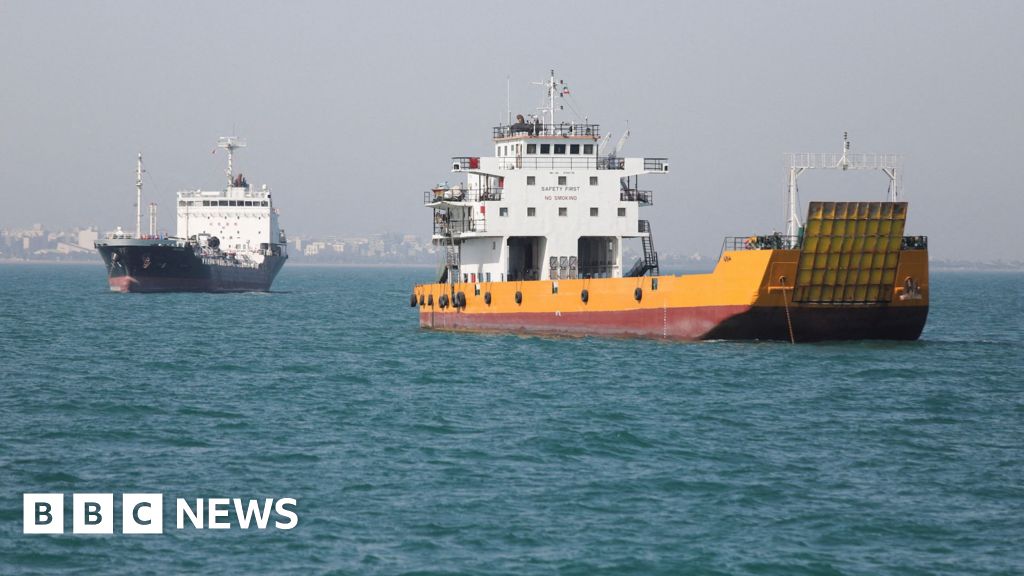
The ceasefire in the Gulf is four weeks old and showing strain. The US and Iran's resolve to maintain pressure on each other has placed it in serious jeopardy.
The truce briefly opened a path for diplomacy. Americans and Iranians met across a conference table in Islamabad, Pakistan's capital, but left without agreement.
Pakistan seeks to restart talks, with little success. Both the US and Iran seek a deal, though each envisions a different one and holds firm on red lines. Without concessions from one side, the other, or both, full-scale fighting could resume after a single incident.
Misperception and miscalculation of intentions now pose a grave risk. Such errors often let crises spiral into war.
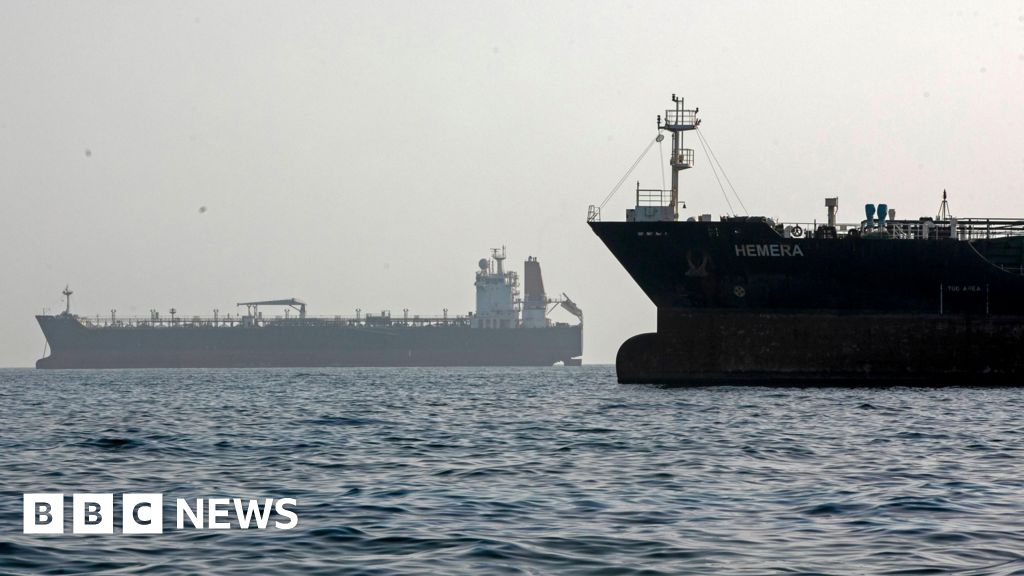
The US choice to escort two ships through the Strait of Hormuz guaranteed an Iranian response. The pressing question this week is whether the reaction stops there or fuels a return to all-out conflict.
Control of the strait sits at the crisis's core. It allowed unrestricted navigation without tolls until February 28, when the US and Israel struck Iran. Iran has since shown how closure can serve as an offensive tool, revenue source, and safeguard. Iranian Foreign Minister Abbas Araghchi told lawmakers this week there will be no return to the prior status quo.
The US cannot permit Iran to treat the strait as home waters for tolls worth millions from shippers. Such an outcome would turn tactical victories over Iranian forces into strategic defeat.
A strait closure carries worldwide economic fallout. The duration of any shutdown will shape the war's global toll. Oil and gas shortages, plus helium for tech industries and fertilizer feedstocks, already hit millions far from the fighting. The fertilizer pinch threatens hunger in food-insecure nations.
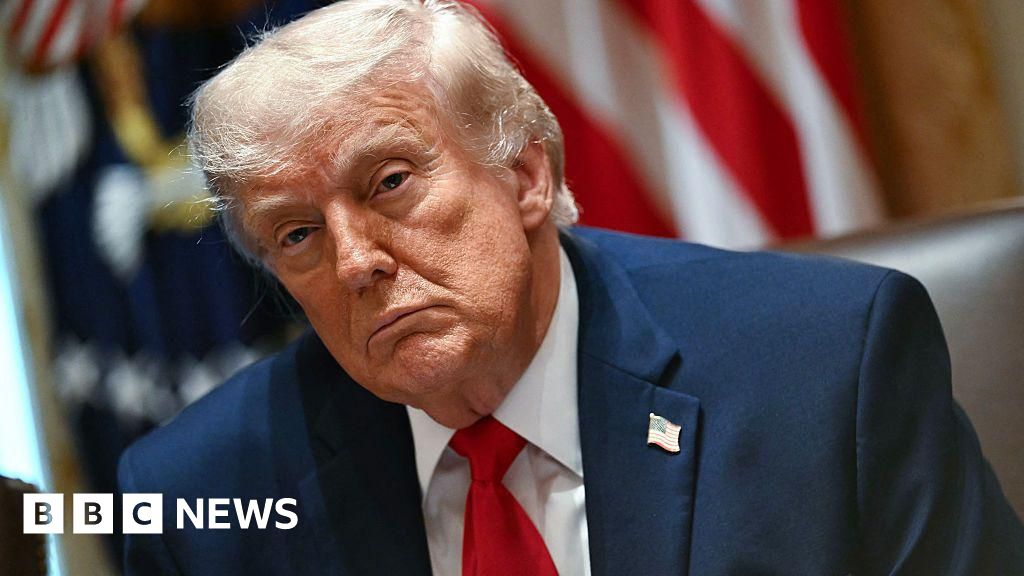
President Donald Trump's motives mix the stated and unstated, often shifting. He took to social media to urge oil traders against raising gasoline prices for US drivers.
Trump also chafes at the Iranian regime's staying power amid pain from the US and Israel. A government that shoots protesting citizens in the streets, as Iran's security forces did again in January, shows little concern for public welfare until it endangers its grip on power.
Trump's frustration stems from his snap call for war, betting on quick success without planning for snags. The US military proved its edge, but the president's erratic choices have boxed in the country strategically.
Ordering the Navy to escort two ships through the strait fails to restore navigation freedom. Forty to 60 vessels passed daily before the US-Israel war began.
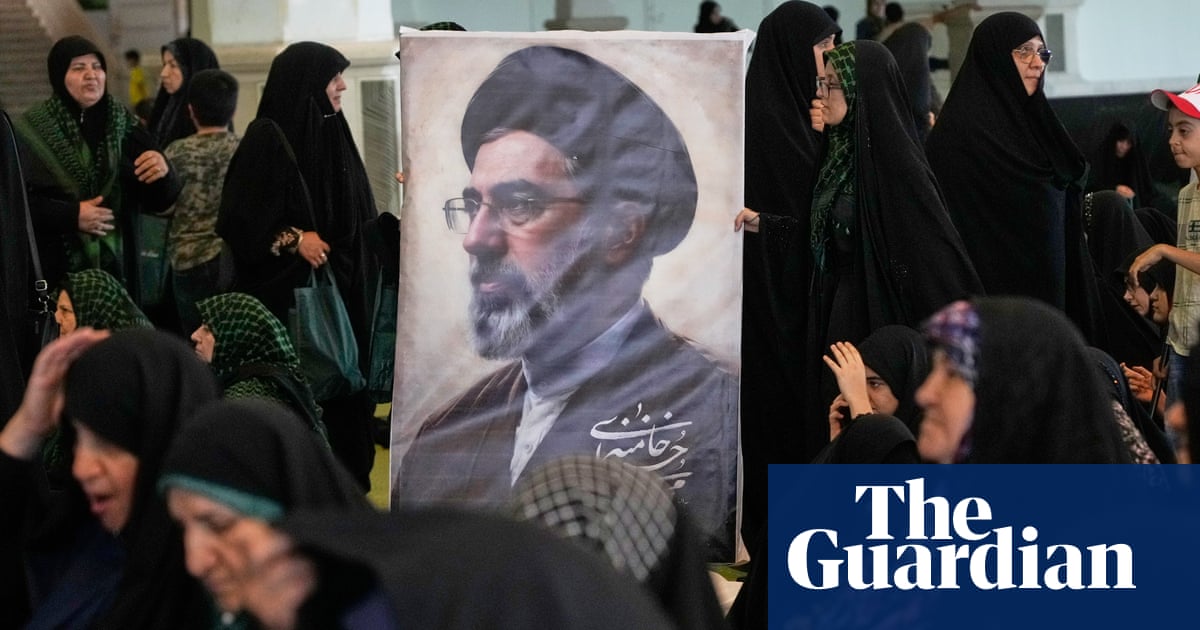
Iran stands ready to resume war and may even dictate the escalation tempo. The strategy brims with danger, but the men who replaced the slain supreme leader and top figures view it as worthwhile.
Among Gulf Arab states, the United Arab Emirates appears Iran's prime target. The UAE has tightened ties with the US and Israel. Israel supplied an Iron Dome system and IDF troops to run it, a step it denied Ukraine.
Iran's strike on Fujairah port carries weight. The site lies on the UAE's brief Gulf of Oman coast, outside the Strait of Hormuz.
Fujairah ends an oil pipeline that lets the UAE export without transiting Hormuz. It also holds major storage. The UAE frets over Iran's plans. Public warnings to Tehran and strong forces notwithstanding, the UAE shuns direct strikes on Iran. That stance may not outlast a ceasefire breakdown. Longer term, it buys more US arms for billions.
Trump still bets the regime will fold under US pressure and force. He wants a deal to tout, but rejects any his critics would deem weaker than Barack Obama's JCPOA nuclear pact.
In his first term, Trump quit the JCPOA at Prime Minister Benjamin Netanyahu's urging. He substituted maximum pressure, which did not halt Iran's uranium enrichment and now seems to have launched the US and Iran toward a war without clear off-ramps.
What's Your Reaction?
 Like
0
Like
0
 Dislike
0
Dislike
0
 Love
0
Love
0
 Funny
0
Funny
0
 Wow
0
Wow
0
 Sad
0
Sad
0
 Angry
0
Angry
0

Comments (0)