

Trump signs 14-point deal with Iran to reopen Strait of Hormuz

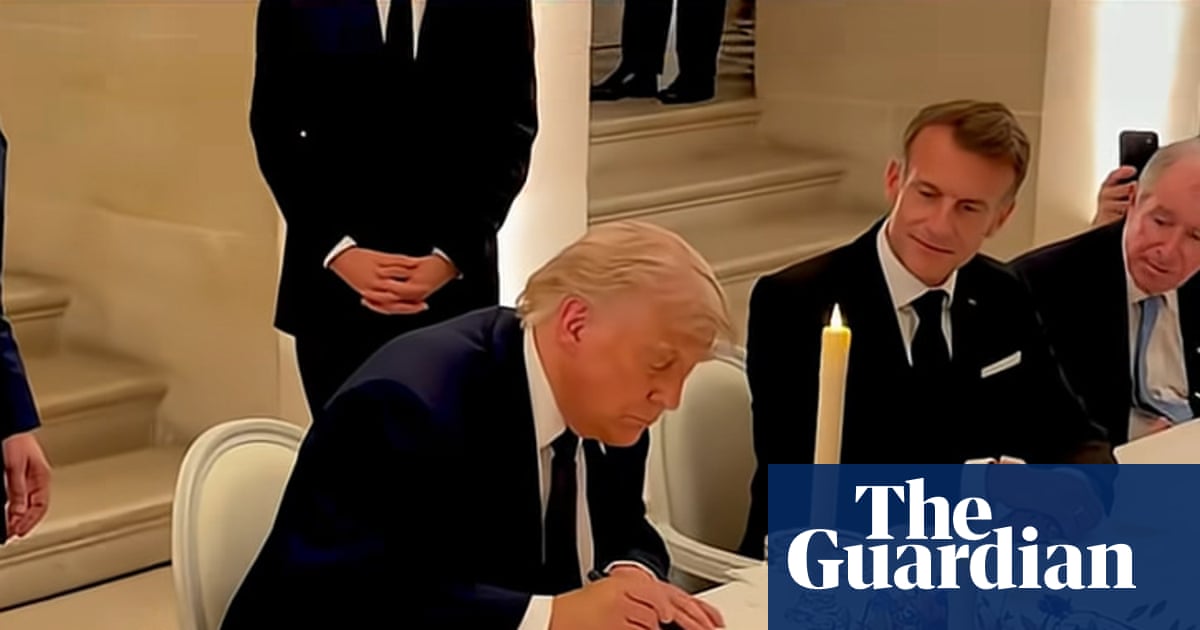
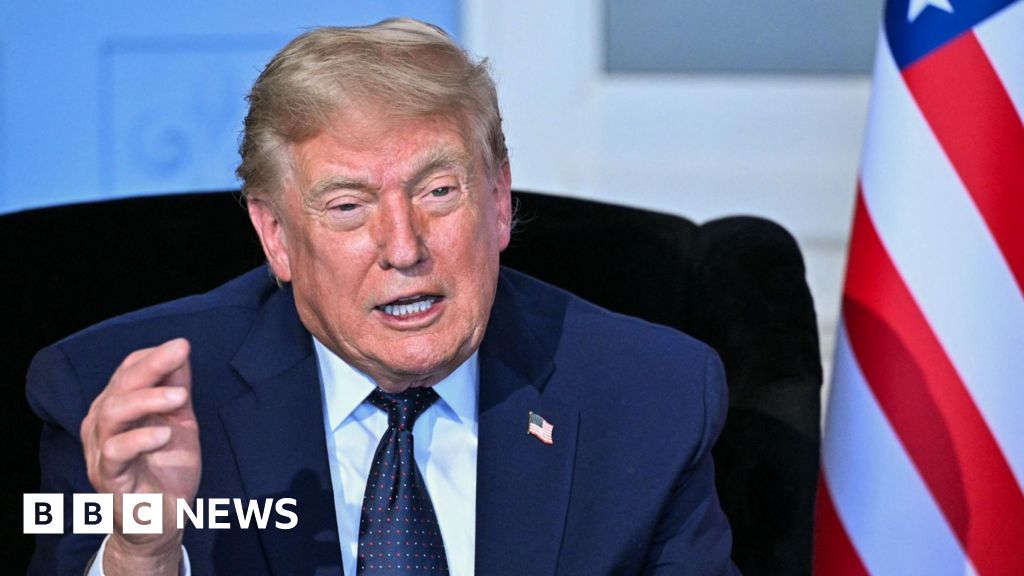
Donald Trump has signed a 14-point agreement with Iran that he called a major win for the United States, even as it included major political and financial concessions to reopen the Strait of Hormuz and avert a worldwide depression.
In remarks on Wednesday, Trump moved from threatening new attacks on Iran to saying the country had rights to enrich uranium for civilian use, that he would not press Tehran to give up its ballistic missile program, and that the United States would have to return billions of dollars in frozen Iranian assets.
The remarks and the full text of the agreement, which Hezbollah chief Naim Qassem called a great victory, are expected to draw criticism in Israel and among Republican hardliners who had urged Trump not to reach a deal with Tehran.
Iran's president, Masoud Pezeshkian, signed the agreement on Wednesday from Tehran. Vice President JD Vance is expected to sign at a formal ceremony in Geneva on Friday.
Iran's chief negotiator, Mohammad Bagher Ghalibaf, said the agreement records US failure and that people will judge it for themselves.
Defending the deal, Trump said no US president had been as tough on Iran as he had and that the market loves it. He said the alternative was a worldwide depression and that without a deal the Strait of Hormuz would never have reopened.
Senior administration officials said the deal would help keep Iran from obtaining a nuclear weapon. They pointed to an agreement to discuss down-blending Iran's 440-kilogram stockpile of highly enriched uranium, which could be further enriched for a nuclear weapon. Trump said he was open to diluting the stockpile inside Iran under International Atomic Energy Agency supervision.
The Trump administration delayed release of the full text of the memorandum of understanding, a 60-day ceasefire agreement, to allow for broader nuclear and permanent peace talks. The 14-point plan was dictated to journalists during a background briefing while Trump spoke at the end of the G7 summit.
The deal offers Iran financial incentives, including an immediate end to the US naval blockade of Iranian ports, waivers for Iranian crude oil exports, the potential lifting of all international sanctions, the unfreezing of billions in Iranian assets, and plans for a $300 billion reconstruction fund financed by Gulf states.
Trump rejected suggestions that the United States would contribute to the fund, saying Gulf states would likely tie payouts to Iran's good behavior. He said the United States would not invest even 10 cents.
The ceasefire covers Lebanon, a key Iranian demand, and would restrain Israel from military operations there, according to a senior administration official. It also includes a clause on Lebanon's territorial integrity, though officials did not confirm whether that requires Israel to withdraw from areas it has occupied as a buffer zone against Hezbollah.
In return, Iran would restrain its foreign allies, including Hezbollah, and reaffirm that it will not develop or obtain nuclear weapons.
The agreement allows toll-free passage of ships through the Strait of Hormuz for 60 days. Ghalibaf said on Wednesday that Iran would begin charging ships after that period and that the strait would not return to prewar conditions.
Suzanne Maloney, vice president and director of the Foreign Policy program at the Brookings Institution, said the level of expertise needed to settle even the nuclear issues appears overwhelming for an administration negotiating on the fly. She said Iran stands to export oil without sanctions and make substantial revenue quickly.
Trump backed a G7 joint statement that welcomed the deal but called for a follow-on agreement to address Iran's ballistic missile program, which is not covered in the memorandum. He said Iran must have some missiles because other countries do.
France's president, Emmanuel Macron, called the deal very good and said G7 allies support it because it ends a situation of great instability that hurt their economies.
The G7 proposal for further talks involving European leaders on Iran's missiles and support for proxy forces is expected to be rejected by Iran, which has negotiated only with the United States. Iran is also likely to reject a G7-endorsed plan for a task force to escort ships through the strait.
The G7 leaders said the agreement offers a historic opportunity to prevent Iran from acquiring a nuclear weapon and to address threats from its regional and ballistic activities.
Trump also struck a conciliatory tone on returning frozen assets, a step required under the 2015 nuclear deal that he had criticized. He said the money belongs to Iran and that failing to return it would hurt confidence in the dollar.
Trump said the price of a barrel of oil had fallen to $72 and would soon drop below prewar levels.
What's Your Reaction?
 Like
0
Like
0
 Dislike
0
Dislike
0
 Love
0
Love
0
 Funny
0
Funny
0
 Wow
0
Wow
0
 Sad
0
Sad
0
 Angry
0
Angry
0


Comments (0)