

Sugar in food and drink: how much is too much and how to cut back

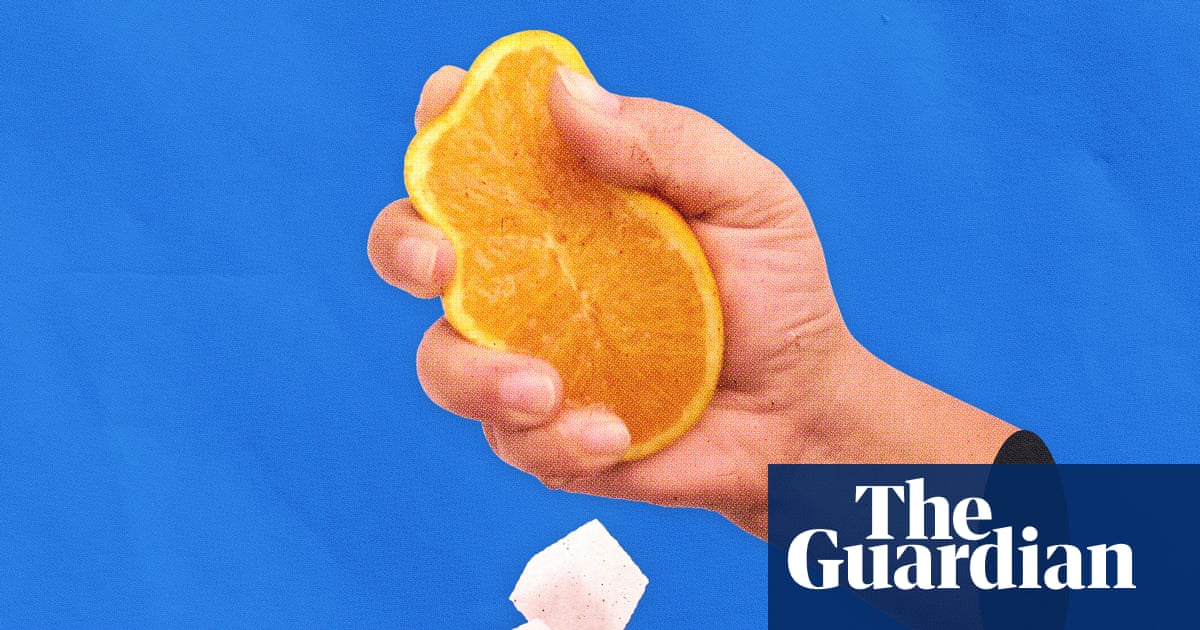
Many people try to limit sugar, yet it appears in dozens of foods and drinks under more than 50 names and is difficult to avoid.
Sugar is a simple carbohydrate found naturally in fruit, some vegetables, dairy and grains. Table sugar, or sucrose, is the refined form added to tea and coffee.
Whole foods that contain sugar, such as fruit, vegetables, milk and plain yoghurt, also supply fibre, vitamins and minerals that support health, said Sammie Gill, a senior scientist at the British Nutrition Foundation.
The sugars health authorities advise limiting are free sugars, those added by manufacturers, cooks or consumers. They appear in fizzy drinks, biscuits, cakes, chocolate, alcohol, fruit juices, smoothies, many breakfast cereals, flavoured yoghurts, sauces and other processed items.
Honey, maple syrup and agave nectar are still sugars, Gill said. They contain only trace vitamins and minerals and are processed by the body much like white sugar.
A recent Food Foundation report found that 74% of baby and toddler snacks contain high or medium sugar levels, often from fruit purees. An Action on Sugar study showed that 68% of UK snack bars sold as high-fibre, high-protein or low-sugar would carry a high-sugar warning in Chile.
Official guidance from the World Health Organization and the American Heart Association sets a limit of 10% of daily calories from added sugars. The NHS recommends no more than 5%, or about 30 grams a day. A standard chocolate bar contains 25 grams of free sugar and a 330-millilitre can of cola contains 35 grams.
Britons consume roughly twice the recommended amount, the British Nutrition Foundation said. Children aged four to 18 take in about 12% of their calories from sugar, mainly from soft drinks. Adults get most of theirs from soft drinks and alcohol.
High sugar intake is linked to tooth decay, obesity and, in some studies, higher risks of high blood pressure, certain cancers and non-alcoholic liver disease. Sugary drinks are especially easy to overconsume and have been tied to weight gain, fatty liver, unfavourable cholesterol levels and type 2 diabetes.
A 2024 Lund University study of 70,000 Swedes found that sugary drinks carried a stronger association with cardiovascular disease than other forms of sugar. Researchers noted that liquid sugar is less filling than solid forms.
Chronic high intake has also been associated with poorer memory, mood and concentration, and emerging research links it to disruption of the gut microbiome.
Sugar is not addictive in the way nicotine is, said Kawther Hashem of Queen Mary University of London, but some people show bingeing or withdrawal patterns. Cultural habits and marketing reinforce regular consumption.
Gradual reduction works better than abrupt cuts, Gill said. Swapping sugary drinks for sparkling water with fruit or low-sugar kombucha, and choosing plain yoghurt with fruit instead of flavoured varieties, are simple steps. The FoodSwitch app helps shoppers find lower-sugar options.
The UK soft-drinks industry levy, introduced in 2018, prompted manufacturers to cut sugar content by an average of 47%. From 2028 the levy will also apply to some milk-based drinks. Sweeteners can help people move away from sugary drinks, but health bodies say they are not a long-term substitute for lowering overall sweetness in the diet. Water remains the preferred drink.
What's Your Reaction?
 Like
0
Like
0
 Dislike
0
Dislike
0
 Love
0
Love
0
 Funny
0
Funny
0
 Wow
0
Wow
0
 Sad
0
Sad
0
 Angry
0
Angry
0











Comments (0)