

Algorithms have flattened personal taste

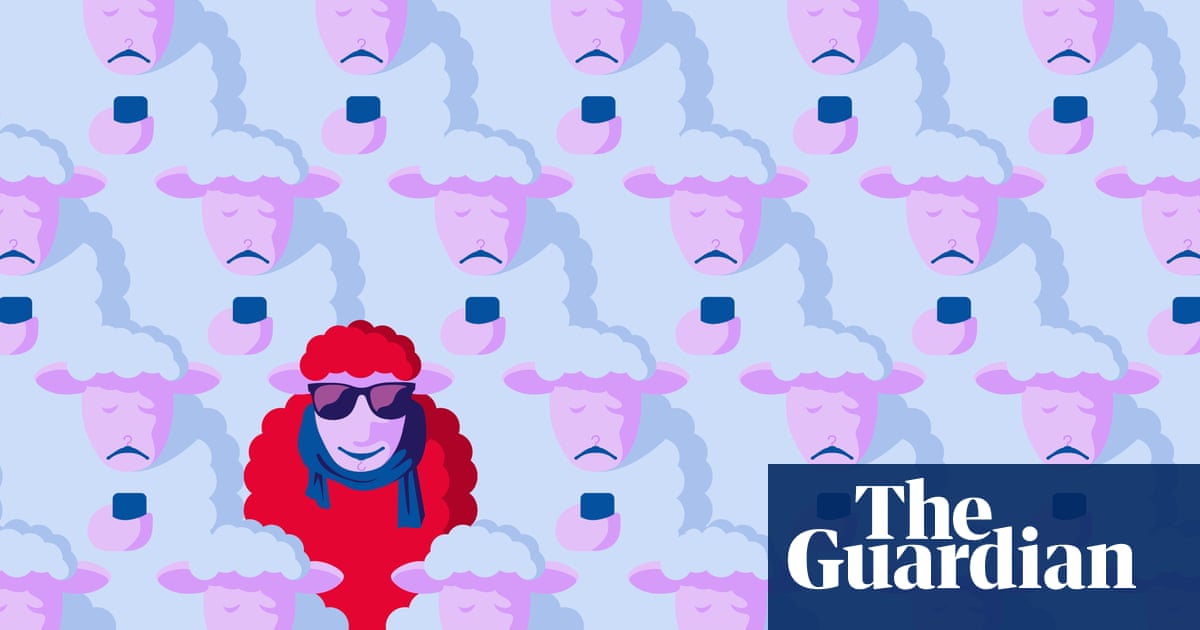
It has become impossible to ignore: personal taste has been seriously debased, if not destroyed, by technological change. The internet has altered how people form opinions and beliefs. It has also wrecked the ability to form preferences of their own.
People once encountered arts, culture and fashion through community, geography, mass and specialist media, and chance. They weighed those influences and decided what appealed to them. That process has changed. Most encounters now occur through streaming services, social platforms, algorithmically ranked search engines and e-commerce sites. These systems draw on a user’s past activity and the activity of others to serve material meant to hold attention as long as possible.
Kyle Chayka’s 2024 book Filterworld argues that the content best suited to uninterrupted scrolling is the least ambiguous and least disruptive. Algorithms therefore promote the safest, least meaningful pieces of culture. The effect is visible in clothing, music and film. Shoppers see the same microtrends repeated across feeds; listeners receive playlists built on tracks they did not skip; viewers are shown promotional campaigns for properties already familiar from earlier franchises.
The writer of this article noticed the pattern last year while scrolling through nostalgic clothing, inoffensive pop playlists and campaigns tied to existing intellectual property. Consumer trends appeared overnight and reached saturation before any personal judgment could form. The sensation was of having no idea what one actually liked.
A return visit to Portobello Road market in west London, a site of earlier taste formation in the mid-to-late 2000s, produced mixed results. The stalls remain stocked with secondhand clothing, jewellery and antiques. Stallholders and shoppers, however, described a growing herd mentality. Kerry, who has run a vintage clothing business for eight years, said younger customers increasingly want to fit in. Stephanie, 37, visiting from California, observed friends wearing identical outfits. Helena, a 25-year-old stylist, said she worries that items matching her own style are turned into microtrends before she can decide whether the interest is genuine.
Ione Gamble, founder of the alternative fashion and culture publication Polyester, has collected essays on the subject in The Polyester Book of (Bad) Taste. Novelist Nicola Dinan writes in the collection of feeling like “a driverless car” when choosing what to read or watch. Gamble notes that people are told what to like rather than given space to develop preferences.
Two recent cultural moments suggest the tolerance for this arrangement may be fading. The first is the rapid spread of “CBK-core,” the style associated with Carolyn Bessette Kennedy. After a February television biopic, media outlets published literal checklists for recreating her look. Carole Radziwill, a friend of Bessette Kennedy, told a podcast that the takeaway should be to wear what feels authentic rather than to copy.
The second moment involves the New York band Geese. Heavy promotion on both sides of the Atlantic prompted suspicion that the group was an industry plant. In March it emerged that Geese and other acts had used the services of Chaotic Good Projects, a firm that operates networks of social accounts to simulate viral interest. In May, New York magazine writer Lane Brown reported on “clipping,” the practice of paying members of the public to post about musicians or shows in order to trick algorithms into further promotion. One industry estimate held that 90 percent of what appears online is disguised advertising.
Taste, in Susan Sontag’s 1964 essay Notes on Camp, governs every free human response, from visual judgment to ideas. It is shaped by class and background, yet it also allows for individual expression and risk. When taste is reduced to data points or performed for an audience, the result is dehumanising, whether the performance is one of curated minimalism or none at all.
Tech companies have begun to position taste as a remaining human advantage in an age of artificial intelligence. OpenAI president Greg Brockman wrote in February that “taste is a new core skill.” Firms such as Palantir and Anthropic have released apparel meant to signal cultural awareness. At the same time, AI-generated images, podcasts and music tracks are filling feeds. Chayka describes generative AI as a successor to algorithmic sameness: algorithms once pushed humans to produce generic content; AI now produces it directly.
Some users are already stepping away. Time spent on social media peaked in 2022, and recent surveys show declining posting rates. New platforms and newsletters that present recommendations in chronological order without algorithmic ranking have gained followings. Letterboxd, a film-logging site, has roughly 26 million users. Tyler Bainbridge, who runs the recommendation site Perfectly Imperfect and the smaller social platform PI.FYI, cites frustration with algorithms that define tastes for everyone.
At Portobello Road, milliner Pip said she avoids social media and instead returns to the market for items that catch her eye after years of studying fashion history. Helena named her father, who is not online, as her main style influence. The older shoppers at the market stood out for their distinct combinations of clothing and accessories.
Reclaiming taste, several of the people interviewed said, requires limits on consumption and deliberate friction. Wylie, co-founder of the style newsletter Blackbird Spyplane, spent a month wearing only black clothes already in her wardrobe to force new combinations. Gamble advises readers to ask why they like something and whether the preference originated from repeated exposure or from genuine interest.
What's Your Reaction?
 Like
0
Like
0
 Dislike
0
Dislike
0
 Love
0
Love
0
 Funny
0
Funny
0
 Wow
0
Wow
0
 Sad
0
Sad
0
 Angry
0
Angry
0








Comments (0)