

Study finds trees may store less carbon than expected

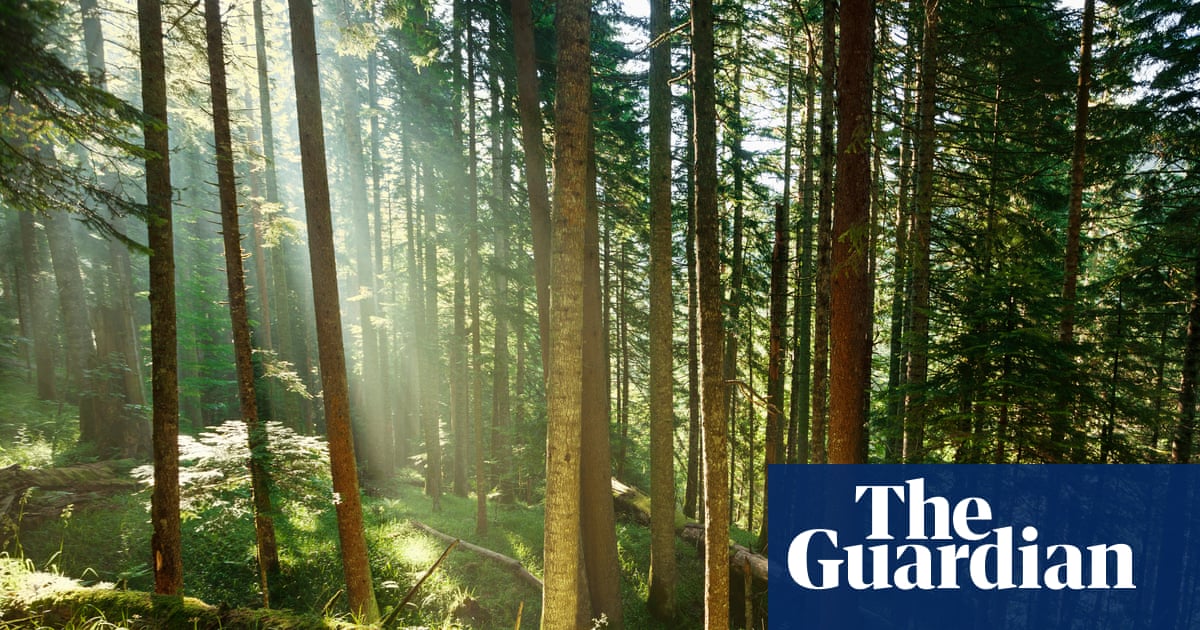
Trees may not store as much planet-warming carbon as climate models assume, a new study finds.
Researchers examined 137 sites across the United States and discovered that trees stopped growing months before photosynthesis ended for the year. Forests act as a key defense against climate change because they convert carbon dioxide into wood, locking the gas away for decades or centuries. Other uses of carbon by trees tend to be shorter-lived.
Climate scientists expect the land-based carbon sink to stay stable or grow as fossil fuel emissions rise. Many models, however, base their estimates on photosynthesis rates rather than actual wood growth.
“Right now, most models assume that if you have photosynthesis, you have growth. We find that’s not the case,” said Mukund Palat Rao, a carbon cycle scientist at Columbia University’s Lamont-Doherty Earth Observatory and the study’s lead author. “Just because there is more photosynthesis might not necessarily mean more tree growth in the future.”
At eastern US sites, about 36 percent of yearly carbon uptake occurred after tree growth stopped in late summer. The figure was about 26 percent at California sites.
Detailed measurements at four locations showed wood growth was limited to periods of low heat and dryness. Those conditions are becoming less common as heatwaves and droughts increase.
“The moment you have dry and hot conditions, growth activity stops pretty instantly, while photosynthesis seems to continue at a slightly decreased rate,” Rao said.
A report last week said humanity must remove carbon from the atmosphere with new technologies at a faster pace than it has deployed solar panels. Land-based efforts such as tree planting account for nearly all current carbon removal, while machines and chemical processes handle just 0.1 percent of the 2.2 billion tonnes of carbon dioxide removed worldwide each year.
The researchers are now checking whether the gap between photosynthesis and wood growth appears in other tree species and regions. Their results indicate that forests’ long-term carbon storage depends on how much absorbed carbon is directed into wood. If more carbon flows instead to short-term uses such as leaves and internal processes, forests’ role as carbon sinks would weaken.
“Earth system models that assume consistently tight coupling between photosynthesis and growth may therefore overestimate future forest carbon sequestration under rising atmospheric moisture demand,” the researchers wrote.
What's Your Reaction?
 Like
0
Like
0
 Dislike
0
Dislike
0
 Love
0
Love
0
 Funny
0
Funny
0
 Wow
0
Wow
0
 Sad
0
Sad
0
 Angry
0
Angry
0






Comments (0)