

Bear attacks prompt safety reminders for hikers in national parks

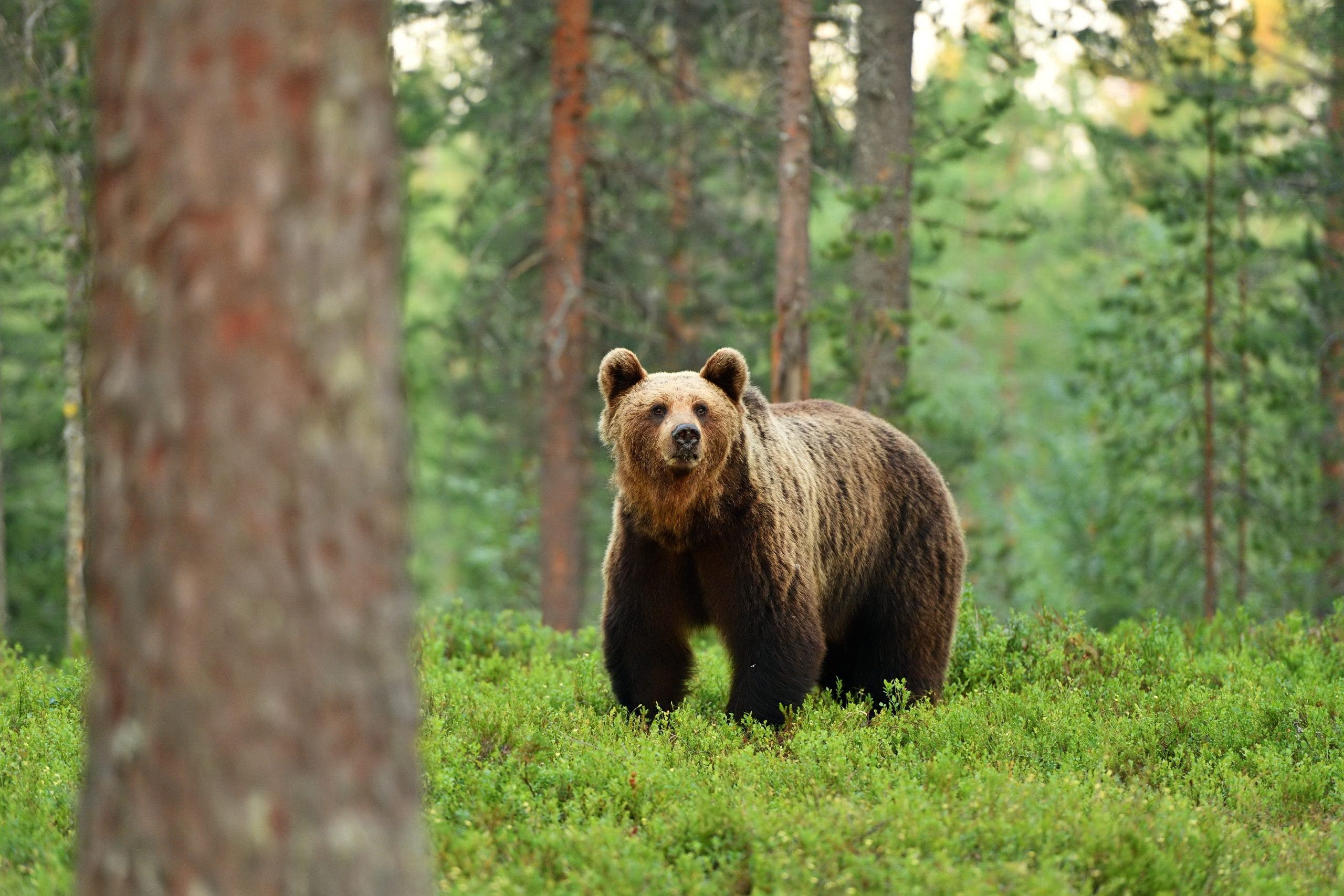
A string of recent bear attacks has drawn national attention to safety in bear country.
A hiker died in Glacier National Park, the first fatal bear attack there in nearly three decades. Weeks later another hiker survived a grizzly mauling on the Grinnell Glacier Trail. In Yellowstone, visitors encountered a protective mother bear and her cubs near Old Faithful.
Millions of people visit bear country each year without incident. Most negative encounters stem from surprise meetings, improperly stored food or lack of preparation.
The top rule is to avoid surprising a bear. Hikers should call out regularly, especially near water, blind corners or thick brush. Bear bells are often too quiet to help. Talking, even about ordinary topics, gives bears time to move away.
Groups of three or more hikers are recommended. A larger party is louder and more visible, lowering the chance of a close encounter.
Food storage matters. Bears can smell toothpaste, sunscreen and wrappers as well as meals. Campers should separate cooking, sleeping and storage areas. Use bear-resistant canisters or hang food when possible. Never keep food in a tent.
A clean campsite reduces risk. Wash dishes right away, pack out trash and avoid leaving scraps. Some experts advise changing clothes after cooking before entering a sleeping bag.
Bear spray must be carried where it can be reached quickly, not buried in a pack. Practice removing the safety clip before a trip. Spray is meant for an aggressive approach or charge, deployed when the bear is 30 to 40 feet away and aimed slightly downward to form a barrier.
If a bear is spotted at a distance and shows no interest, hikers should back away calmly. Running is not advised. Bears can reach 35 miles per hour. If seen, stand ground, speak firmly and raise arms to appear larger. Most bears leave when given space.
Dogs should stay leashed. An off-leash dog that approaches a bear can draw the animal back to its owner.
Cubs should never be approached. A mother bear may attack if she believes her young are threatened.
Response differs by species. Black bears are often more likely to retreat when confronted and may require fighting back if contact occurs. Grizzlies more often attack in defense. In those cases the National Park Service advises lying flat on the stomach with hands behind the neck and legs spread if spray fails.
The incidents serve as a reminder that visitors are guests in bear habitat. Preparation and respect for wildlife remain the surest way to avoid trouble.
What's Your Reaction?
 Like
0
Like
0
 Dislike
0
Dislike
0
 Love
0
Love
0
 Funny
0
Funny
0
 Wow
0
Wow
0
 Sad
0
Sad
0
 Angry
0
Angry
0






Comments (0)