

Trump presses NATO partners on support as Hegseth blasts hesitation

The United States, alongside coalition allies like the UK and France, established two no-fly zones in Iraq in the 1990s after the first Gulf War that followed Iraq’s invasion of Kuwait in 1990. Those zones remained in place until major combat operations in Iraq ended after the 2003 invasion.
The northern no-fly zone was established in April 1991. The southern no-fly zone was established in August 1992. The northern zone was designed to protect Iraqi Kurds from further retribution from Saddam Hussein. The southern zone was established to protect Shia populations that Saddam had massacred after his defeat at the hands of the Coalition of the Willing in the 100 Hours campaign to expel Iraqi forces from Kuwait.
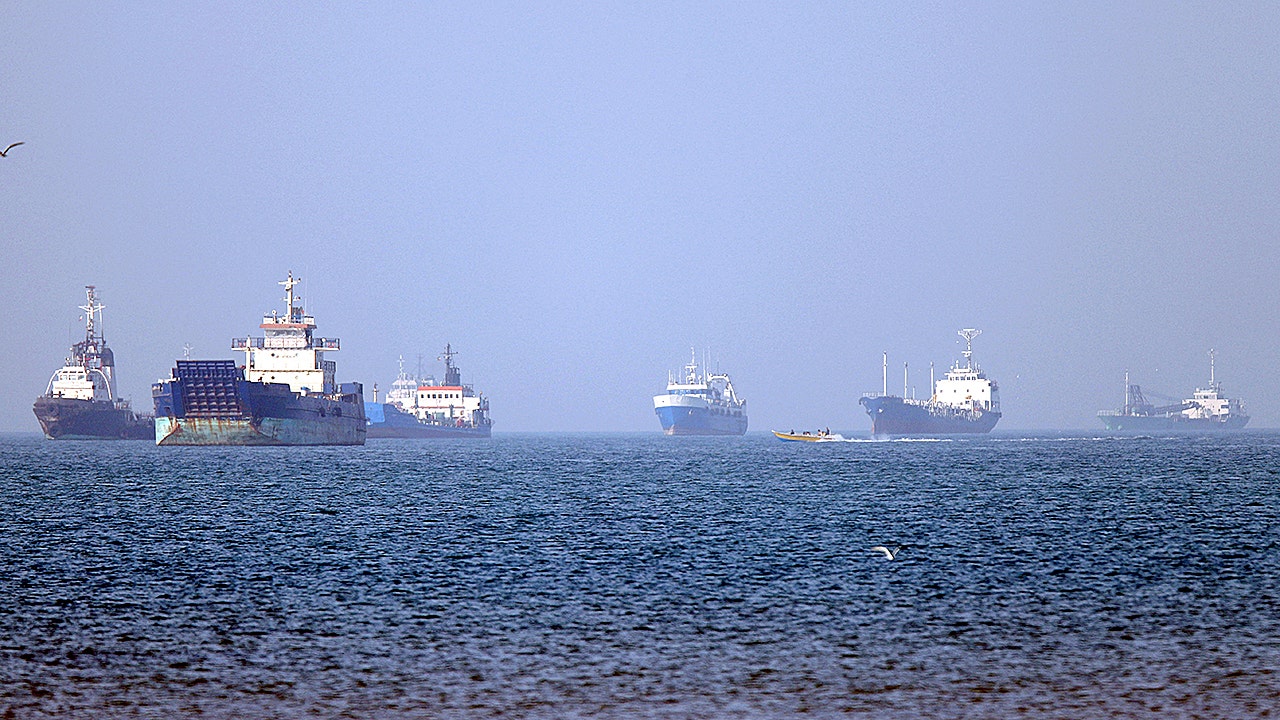
Those two operations were low-intensity conflicts that continued for years. The Strait of Hormuz is an international waterway protected by customary law of the sea. Since the Iranian Revolution of 1979, forces of the Islamic Republic of Iran have posed a threat to shipping there.
While the Iranian navy’s capital ships have been sunk, the Iranian Revolutionary Guards Corps continues to menace shipping in the Strait via mines, drones and missiles.
The U.S. and its allies can and should recommence combat operations against the IRGC. The rump regime or regimes in control of the IRGC or parts of it need to be shattered to an even greater level of destruction. Their guns and missiles can be silenced. The sooner President Trump orders that done the better.
After major combat operations end again, they should be followed by a no-fire zone extending back at least 100 miles from the coast of the Strait. That distance allows for sustainable defense against most if not all of Iran’s remaining arsenal. If firing continues, the allies shall have to insist on a no-movement zone in the same area.
The Strait is of too much importance to the global economy and all nations to allow a pirate regime that cannot exercise command and control of its armed forces to be close to the shore. The no-fire or no-movement zone will require ongoing U.S. operations for some time and will also provide the litmus test for whether NATO endures as a useful alliance.
Failure to take up its share of the policing of the Strait is simply to stick the U.S. with the tab. If and when that happens, Europe, more than 80 years after the end of World War II and more than 30 years after the dissolution of the Soviet Union, will need to pay its own way if taking care of international waterways becomes a U.S.-only burden.
If obliged to do that without European help, it will be time to serve notice on the Atlantic Alliance that its sugar daddy days are done. Europe has changed, not the U.S., and America must take care of itself first, not a wealthy but washed-out Euro-elite that seems to believe it is owed U.S. protection regardless of its feckless defense policies and neutrality in the conflict with Iran.
This is a hinge moment for the West. Don’t be surprised if our alliances in the Gulf, like the Quad in the Pacific, take the front and perhaps only seats at the table with the United States. Ingratitude burns. Europe’s scalds, especially after having to save the continent three times from dictators bent on destroying the freedoms of the people living west of Russia.
What's Your Reaction?
 Like
0
Like
0
 Dislike
0
Dislike
0
 Love
0
Love
0
 Funny
0
Funny
0
 Wow
0
Wow
0
 Sad
0
Sad
0
 Angry
0
Angry
0








Comments (0)