

Trail running draws more runners over 50 to ultras

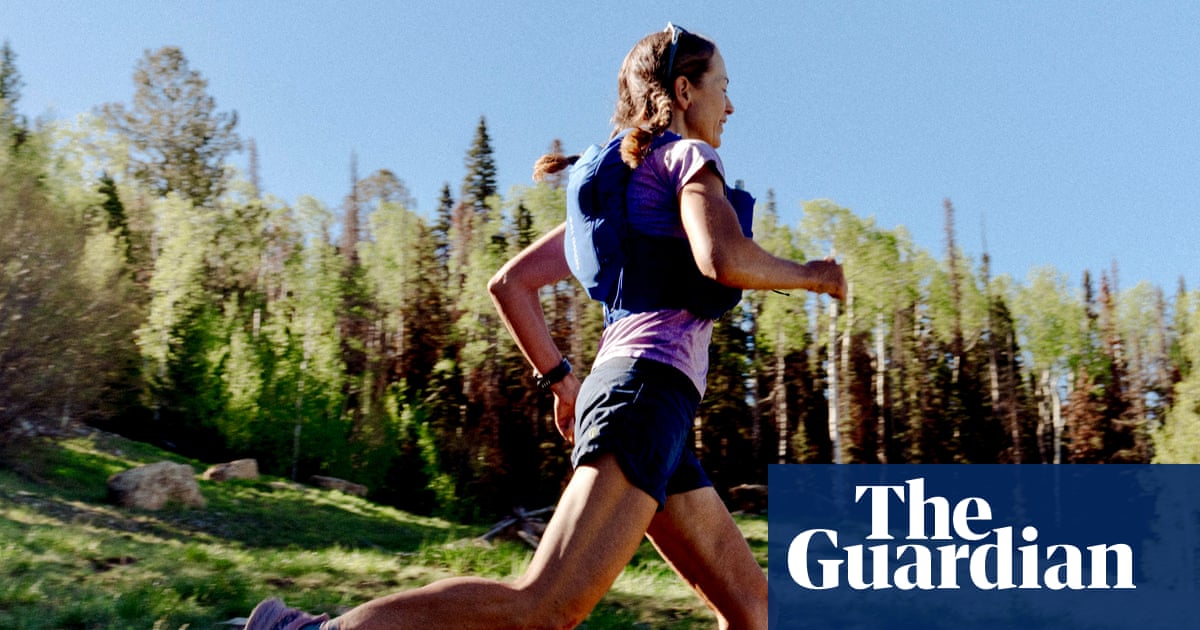
Earlier this year, 62-year-old Karla Wagner placed second in the 100-mile division of the Grandmaster Ultras, an Arizona trail-running event for runners 50 and older.
Wagner, from Lander, Wyoming, avoided running for most of her adult life because it triggered her asthma. When her medication improved, she added trail running to her routine in her early fifties and became hooked.
The combination of running through natural scenery and the sport’s supportive community pushed her to build up to 100-mile ultramarathons. At age 60 she finished the Moab 240-mile ultra through the canyons and deserts of southeast Utah.
“It’s just amazing to me how far you can travel on foot,” Wagner said. “And it’s fun!”
The author has ultrarun for two decades and coached long-distance runners for eight years. During that time, trail running moved from a niche activity to a more common form of running.
Trail running takes place on dirt paths rather than roads or tracks. Races longer than the standard marathon distance of 26.2 miles are called ultramarathons, or ultras. Most ultras follow trails, though some are held on tracks or pavement.
Trail races tend to be smaller than road events. The courses often cross mountains or deserts, and runners commonly walk steep or technical sections. Walking is treated as a normal part of the effort rather than a sign of weakness.
Data from UltraRunning magazine show that the number of runners who finished an ultra in North America nearly doubled from 2015 to last year, reaching 102,714 finishers.
Many runners in the 50-and-older group discovered the sport later in life. They cite cardiovascular gains, stronger bones, social ties, and the variety of running outdoors. Wagner, a retired obstetrician-gynecologist, said running and strength work have helped her avoid the weakness and arthritis her mother experienced.
“I’m kind of a poster child for osteoporosis, because I’m small, have a family history and haven’t done hormone replacement, so it’s important to me to get weight-bearing exercise,” she said.
Orthopedic surgeon Howard Luks, who practices in New York and writes about exercise and aging, said trail running suits people in midlife because the balance and coordination demands match what aging neuromuscular systems need.
In 2025, runners aged 50 to 70 and older accounted for 22 percent of North American ultra finishes, according to UltraRunning.
Ultrarunner Andy Jones-Wilkins, 58, of Corvallis, Oregon, coaches several athletes who started in midlife. He said life experience often helps older runners handle setbacks that can occur on long courses.
To begin safely, develop a base of fitness through brisk walking before adding running. Anyone with heart or joint issues should consult a doctor first. A review of research noted that extreme distances can carry cardiac risks for some people.
Start on gentle trails and run short segments at an easy pace. Jones-Wilkins suggests aiming for a tree or other landmark, then walking until recovered. Luks recommends running slowly enough to hold a conversation.
Dan Rague, 62, of Phoenix, Arizona, began a decade ago by hiking with his dog and adding short run intervals. He now runs trails three times a week, with some training runs reaching 13 miles.
Andre Lee, 55, of Tempe, Arizona, has finished more than 200 ultras. He advises new runners to join a local group, explore nearby trails, and volunteer at events before entering a shorter trail race such as a half marathon.
Luks cautions against setting an ultra goal too soon. He said the main risk at any distance is increasing mileage faster than the body can adapt, which can lead to injury and dropout.
Falls on rocks or roots are a leading concern for older runners. Jones-Wilkins recommends practicing on trails and adding gym work for balance, ankle strength, and quick reactions. Exercises such as single-leg stands, lateral hops, squats, and lunges help. Lightweight trekking poles can add stability on steep sections.
Trail shoes offer better traction on uneven ground than road shoes. Cushioned models may suit older feet. Runners should carry water, electrolytes, snacks, sun protection, and extra layers on longer outings. A common guideline calls for about 500 milliliters of fluid and 60 grams of carbohydrate per hour after the first hour.
Runners are encouraged to stay aware of their surroundings, keep noise low, and follow Leave No Trace rules.
Rague said the experience feels primal. “I feel a part of it when I’m out there,” he said.
What's Your Reaction?
 Like
0
Like
0
 Dislike
0
Dislike
0
 Love
0
Love
0
 Funny
0
Funny
0
 Wow
0
Wow
0
 Sad
0
Sad
0
 Angry
0
Angry
0










Comments (0)