

Toronto woman with bipolar disorder and PTSD seeks court exemption for medically assisted death

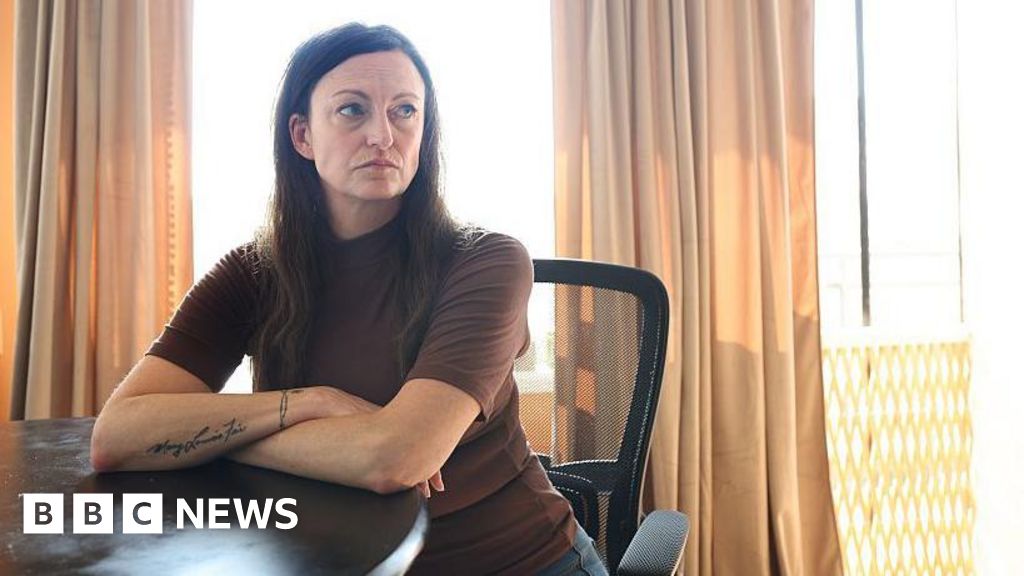
Claire Brosseau has performed stand-up comedy and acted in television, film and theater around the world. She has also spent three decades seeking treatment for bipolar disorder and PTSD from psychiatrists in four major North American cities.
Brosseau, 49, of Toronto, said she has tried behavioral therapy, medication and electroconvulsive therapy. None has worked. She described herself as “functionally terminal,” unable to work, leave her home or speak with family. She is now enrolled in a hospital program for people with severe, persistent mental illness who have no remaining treatment options.
“There’s nothing left to try, and I’m at the end of my life,” she told the BBC. She wants to die by medically assisted dying, known in Canada as MAID. The procedure is legal for some patients but not for those whose only condition is mental illness.
“I open my eyes every morning and I feel immediate dread and anxiety,” she said. “I want a safe death. I don’t want to have to do something horrific.”
Canada planned to extend MAID to people with severe, treatment-resistant mental illness but has postponed the change twice, most recently until next year, citing concerns that the health system is unprepared. Ottawa is now considering whether to proceed at all.
Brosseau has asked an Ontario court to exempt her from the current restriction. A parliamentary committee reviewing the issue heard testimony from doctors and advocates who warned against expansion. Some said mental illness remains poorly understood and that patients might receive better help through improved housing, health care and disability support.
Dr. Sonu Gaind, a former chief of psychiatry at a Toronto hospital, told the committee that “none of those issues have been resolved” and that evidence shows Canada is still not ready.
Prime Minister Mark Carney said he will wait for the committee’s report before deciding next steps. Polls show most Canadians support assisted dying, but support drops when the sole condition is mental illness.
Canada already allows MAID for patients whose death is not reasonably foreseeable if they have a serious, irreversible condition. A small number of countries, including the Netherlands, Belgium and Luxembourg, permit it for mental illness alone. In the Netherlands, approvals for psychiatric cases rose from two in 2010 to 219 in 2024, though they still account for about 2 percent of all assisted deaths.
Brosseau argues that excluding mental illness reflects stigma. “If I get cancer tomorrow, I can refuse treatment and be eligible for MAID,” she said. She said she has little confidence in the committee or the government and views her court case as a fight for equal rights.
What's Your Reaction?
 Like
0
Like
0
 Dislike
0
Dislike
0
 Love
0
Love
0
 Funny
0
Funny
0
 Wow
0
Wow
0
 Sad
0
Sad
0
 Angry
0
Angry
0








Comments (0)