

Saudi Arabia, Qatar and UAE Shift Energy Ties Toward US Amid Iran Conflict

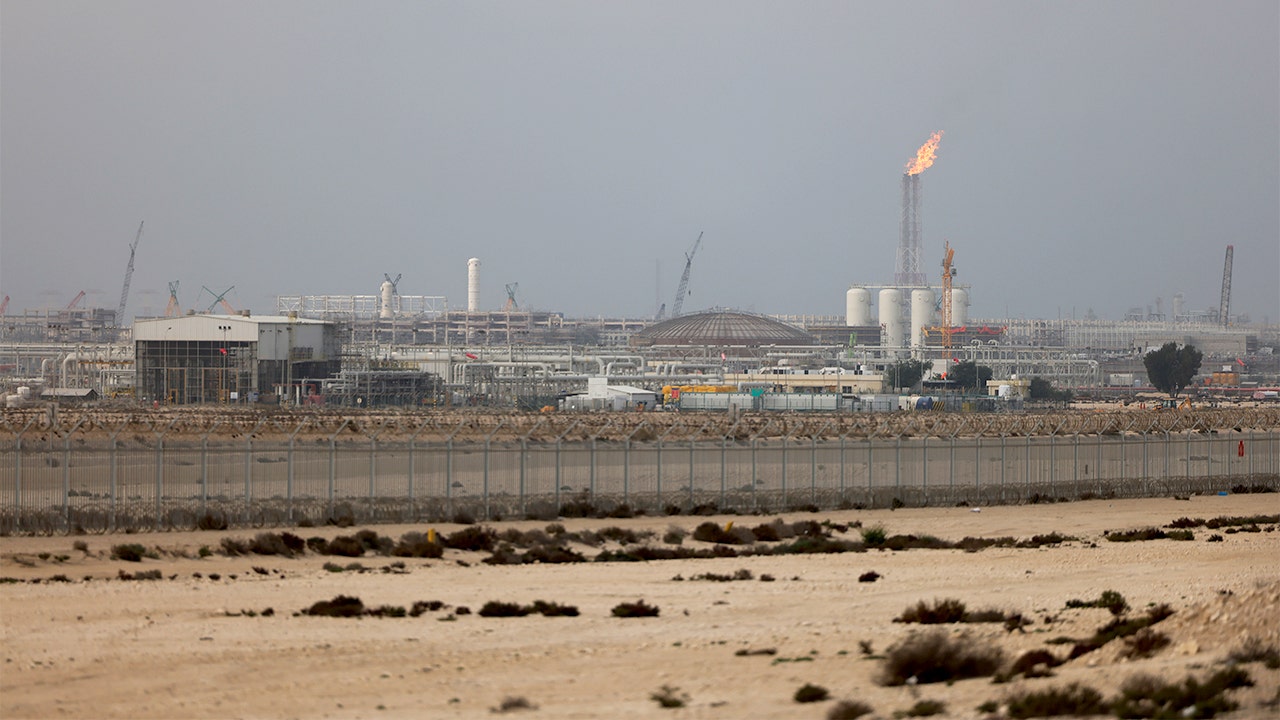
President Donald Trump's first foreign trip of his second term took him to Saudi Arabia, Qatar and the United Arab Emirates in May 2025. The visit cemented regional support for the military operation against Iran known as "Midnight Hammer" and positioned the United States at the center of a global energy market reset.
Three key events in the past two months show results. Saudi Arabia signed a 20-year natural gas contract with Louisiana producer Caturus Energy. Qatar took part in opening the Golden Pass natural gas export facility in Texas. The United Arab Emirates announced it would leave the Organization of Petroleum Exporting Countries, or OPEC.
On Feb. 24, days before the conflict with Iran started, Saudi Arabia revealed a 20-year deal to import natural gas from Caturus's Commonwealth liquefied natural gas division. The United States and Saudi Arabia, two of the world's largest energy producers, will move beyond their traditional importer-exporter relationship, which has lasted eight decades. They now enter an era of energy coordination with mutual benefits.
Saudi Arabia has long resisted importing energy. The kingdom kept crude-burning electricity plants, including those on the Red Sea, even though natural gas conversion would boost efficiency and free more oil for export. Saudi Arabia changed course because its energy needs will grow sharply as it pursues plans to become an artificial-intelligence hub and a tech partner to the United States.
The partnership between the world's two largest energy producers promises plentiful, reliable and affordable energy flows to partners in Europe, Latin America and Southeast Asia, and to each other when needed.
On March 30, Golden Pass LNG in Sabine Pass, Texas, produced its first cargo after construction overcame a lead contractor bankruptcy. The shipment left for Europe on April 22. QatarEnergy holds a 70% stake in the joint venture, ExxonMobil 30%. Qatar's trading arm takes most of the output. This marks Qatar's largest foreign energy investment and shows it views the United States as a natural gas partner.
Weeks earlier, Iranian missile strikes hit Qatar's Ras Laffan LNG facility, knocking out capacity worth about $20 billion in annual revenue. Repairs could take five years. Golden Pass Train 1 started three weeks later, sending American gas to Qatar's customers just as its home plants went offline. A decade of Texas investment paid off despite earlier doubts.
The UAE, hit hard by Iranian attacks on Gulf neighbors, said it would leave OPEC effective May 1. As a longtime member and one of the cartel's three largest producers, its exit shakes the group and cuts its influence.
OPEC rules capped UAE output at 3 million barrels a day, below its 5 million-barrel capacity. The quota aimed to control prices but limited production and new investments.
Trump has often criticized OPEC for "ripping off the rest of the world" through price and supply controls. Free from OPEC, the UAE can pursue US-style energy coordination like Saudi Arabia and Qatar. That will add supply to ease the Iran energy shock. Other OPEC members may follow.
These developments form a trio of energy wins for the United States in two months. Trump can tackle clearing the Strait of Hormuz from strength, not desperation. US energy power has shone in Operation Epic Fury, setting up stronger coordination with Gulf partners to meet global needs despite Iran's efforts.
What's Your Reaction?
 Like
0
Like
0
 Dislike
0
Dislike
0
 Love
0
Love
0
 Funny
0
Funny
0
 Wow
0
Wow
0
 Sad
0
Sad
0
 Angry
0
Angry
0





Comments (0)