

Russian missile kills two sisters in Ukraine as air defenses improve

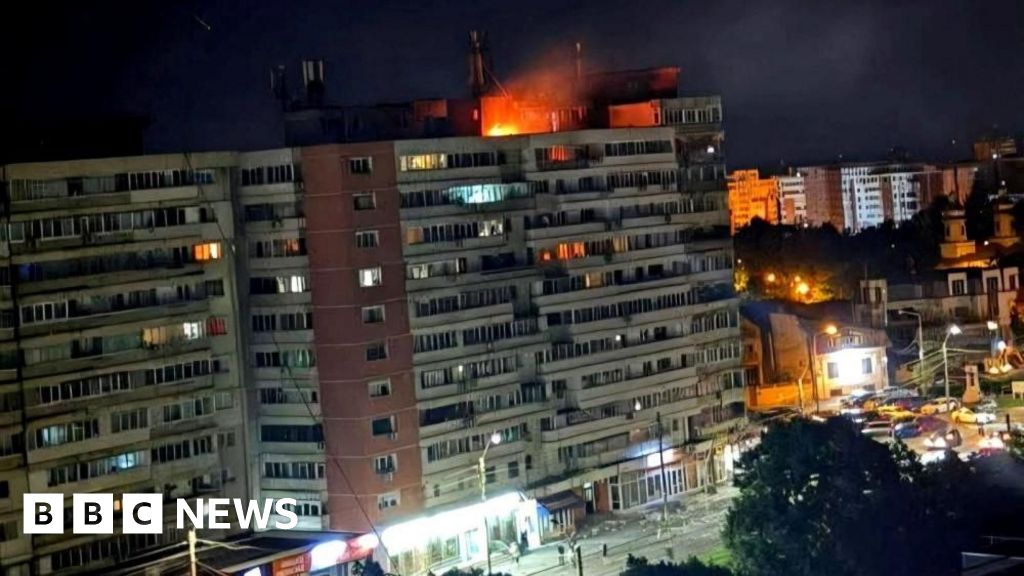
Twelve-year-old Liubava and her 17-year-old sister Vira were among 24 civilians killed when a Russian missile struck their residential block earlier this month. The girls had already lost their father, who was fighting on the front line. Their mother is now the family's only survivor.
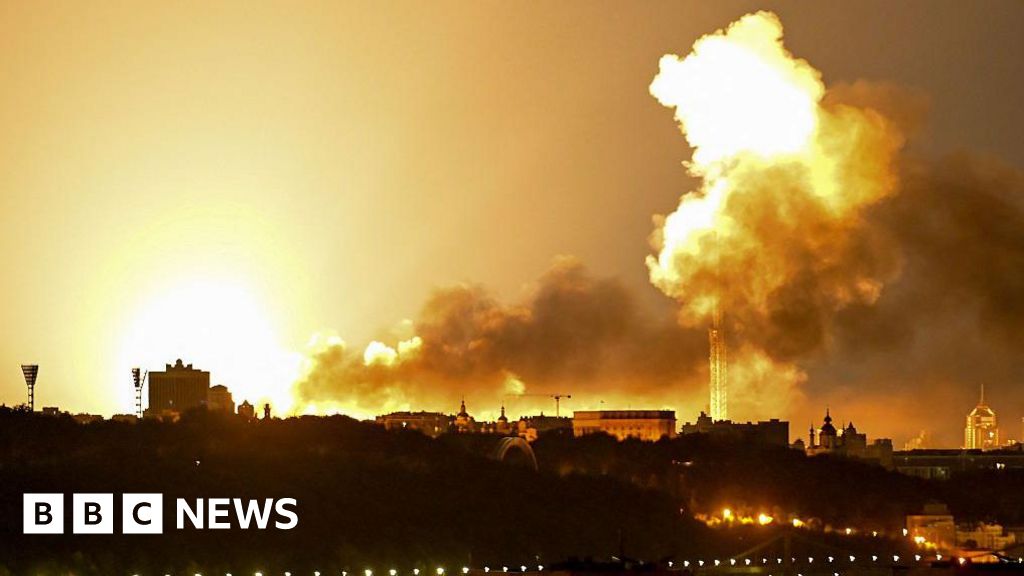
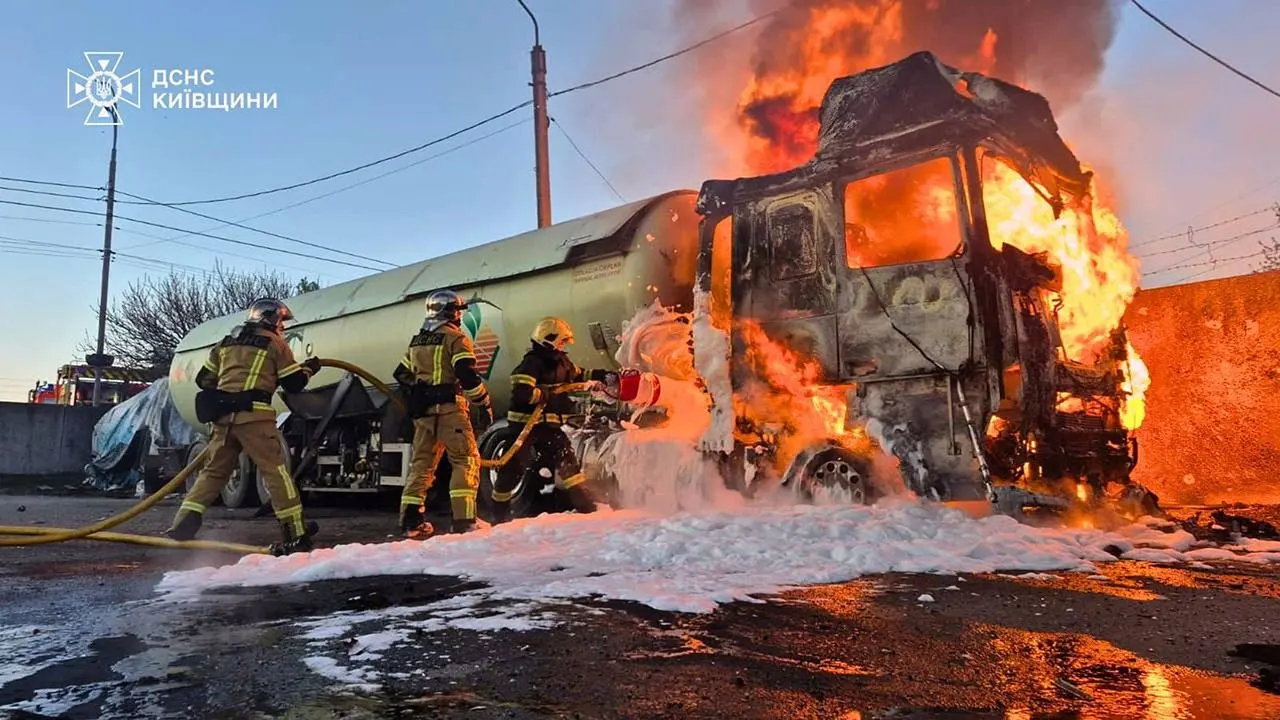
The attack came during the largest sustained Russian aerial assault on Ukraine so far. Russia fired 1,500 drones and 56 missiles at the country within 48 hours.
Ukraine's air defenses limited the death toll. President Volodymyr Zelensky said Ukrainian forces intercepted 94 percent of the long-range drones and 73 percent of the missiles. On 14 May 2025, Kyiv's forces shot down 55 percent of Russian drones launched nationwide.
"We are now, unfortunately, the best in the world," said Lt Col Yuriy Myronenko, an inspector general at Ukraine's Ministry of Defence. He added that shooting down Russia's ballistic missiles "is not so easy."
At the start of the war, Ukraine relied on old Soviet-era weapons. Western countries later supplied more advanced systems, including Patriot air defense missiles.
Ukraine has also developed its own technology. Early in the conflict, it used mobile phones mounted on telegraph poles to detect approaching drones. The system now uses more advanced sensors.
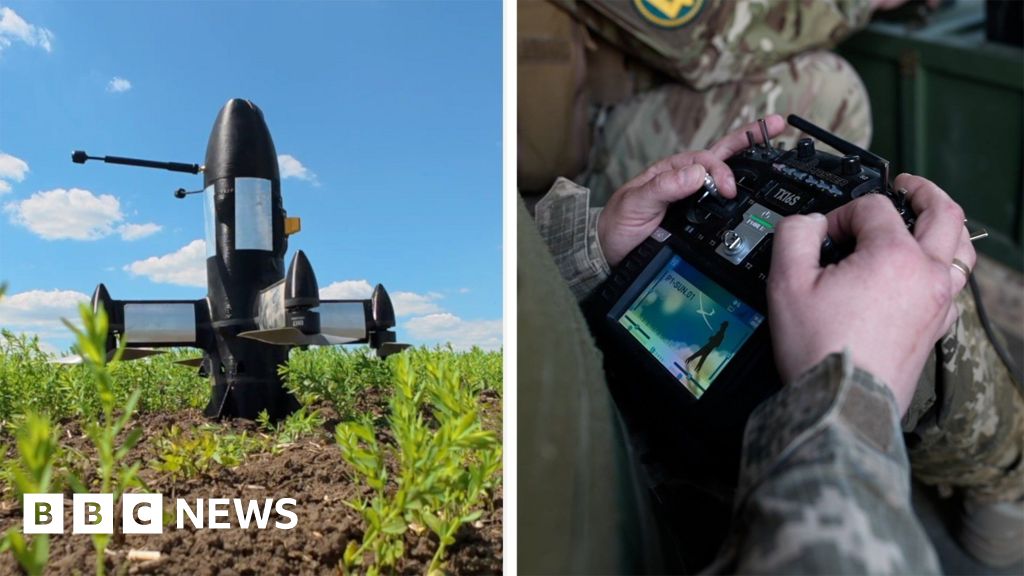
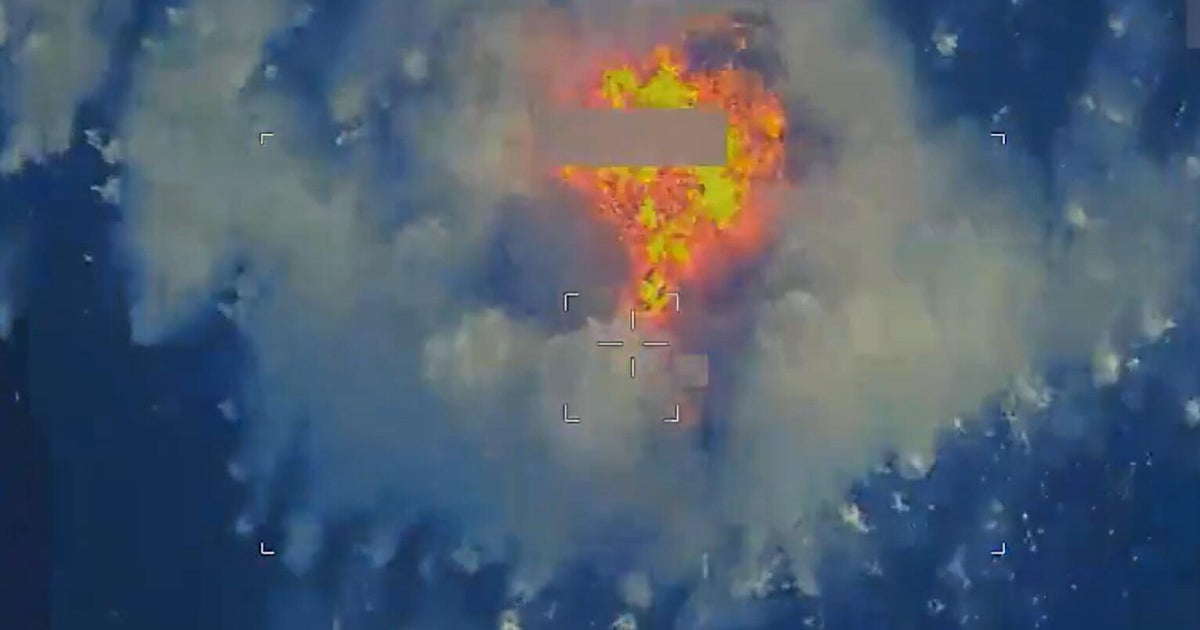
One of the new weapons is the P1-SUN interceptor. Shaped like a large bullet and powered by four rotors, it can reach speeds of more than 300 km/h (186 mph) and has a range of more than 30 km. Ukraine now produces more than 1,000 of these drones a day. In March, Ukrainian forces destroyed more than 30,000 Russian drones, according to the country's air force.
Welkos, the unit commander, called the P1-SUN a "very serious weapon." "It shows how quickly we can adapt, how we can hold the line and how much we can develop," he said. The interceptor is 3D-printed and costs around $1,000 (£750), far less than the $50,000 Shahed drones it is designed to destroy.
Myronenko said Ukraine is working to cover the entire country. Twenty-five companies have joined a program to help protect factories and infrastructure. Russian strikes on the energy grid last winter left millions without power.
Carmine Sky is one private company now providing air defenses for other businesses. It has built a network of towers fitted with remotely controlled machine guns in the Kharkiv region near Russia's border.
The operators are civilians, including mothers, taxi drivers and veterans. Each person is vetted and trained for several weeks before operating the guns.
Ruslan, the company's spokesman, said the work "is not difficult." Operating the remote machine guns "is like a computer game — just like an Xbox or PlayStation," he said. "We're integrated into the military system," he added. "This is not the Wild West, so we follow the instructions and commands of the military."
Ruslan said private companies can scale faster than the public sector. These firms have already shot down dozens of Russian drones.
Ukraine has also increased its strikes on Russia. Recent attacks caused large fires at oil refineries and reached cities including St Petersburg and Moscow. The Kremlin scaled back its World War Two Victory Day parade in May over fears of a Ukrainian strike.
Both sides are now racing to develop new weapons. Russia is building faster jet-powered drones and flying decoy drones to locate Ukrainian air defenses.
President Zelensky has warned that Russia's mass attacks aim to overwhelm Ukraine's defenses. With hundreds of drones and dozens of missiles launched at once, some are certain to get through, he said.
What's Your Reaction?
 Like
0
Like
0
 Dislike
0
Dislike
0
 Love
0
Love
0
 Funny
0
Funny
0
 Wow
0
Wow
0
 Sad
0
Sad
0
 Angry
0
Angry
0




Comments (0)