

IRS Sets Required Withdrawals from Retirement Accounts Starting at Age 73


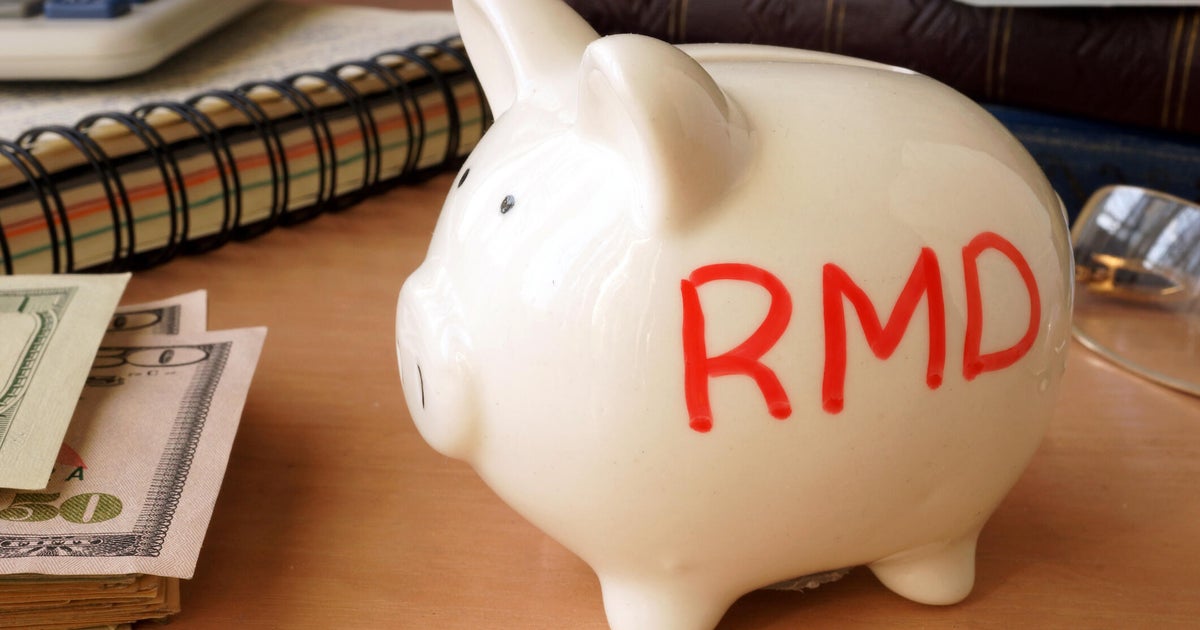
Most people spend decades saving for retirement. But once they hit a certain age, the Internal Revenue Service takes over with rules on withdrawals from those funds. These required minimum distributions, or RMDs, apply regardless of earnings or planning. They start at age 73 for most tax-deferred accounts like traditional IRAs and 401(k)s.
RMDs do not wait for ideal market conditions or tax years. They kick in based on age alone. Current economic pressures, such as high interest rates, stock market swings and persistent inflation, make the timing even more critical. Withdrawals can affect taxes and budgets far beyond one account.
For someone with a $250,000 balance in a traditional IRA or 401(k), the key questions involve the withdrawal amounts and penalties for errors. The IRS calculates RMDs with a simple formula: account balance divided by a life expectancy factor from the Uniform Lifetime Table.
At age 73, the factor is 26.5. That means a $250,000 balance requires a withdrawal of about $9,434. By age 75, the factor drops to 24.6, raising the amount to roughly $10,163. At age 80, with a factor of 20.2, it reaches about $12,376.
The amounts increase over time as the factor shrinks. Retirees must take larger shares even if markets dip or smaller withdrawals would suit their needs better.
Taxes add another layer. RMDs count as ordinary income. A big distribution can push someone into a higher bracket, boost taxable Social Security benefits or raise Medicare premiums.
Penalties for missing an RMD can hit 25% of the shortfall. Aggregation works for IRAs across accounts, but 401(k)s require separate withdrawals from each plan.
Beyond RMDs, retirees face choices on remaining funds. High-yield savings accounts offer liquidity and interest above the national average with no market risk. Gold serves as an inflation hedge, though a 5% to 10% allocation brings no income and storage costs. Dividend-paying stocks from blue-chip firms provide steady payouts to offset withdrawals without selling shares in downturns, despite price risks.
What's Your Reaction?
 Like
0
Like
0
 Dislike
0
Dislike
0
 Love
0
Love
0
 Funny
0
Funny
0
 Wow
0
Wow
0
 Sad
0
Sad
0
 Angry
0
Angry
0








Comments (0)