

Rare Ebola strain spreads undetected in eastern DR Congo amid conflict

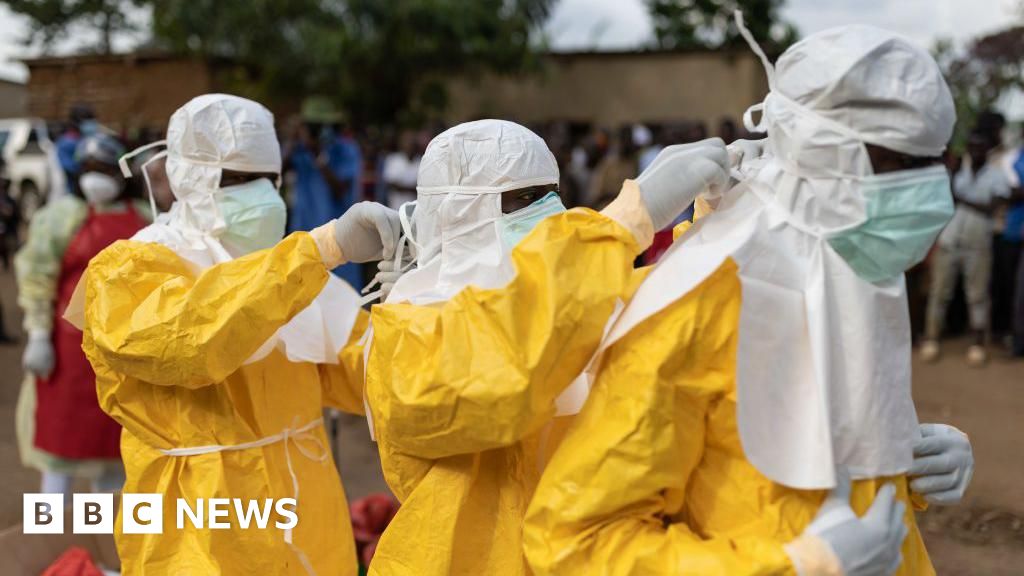
A rare strain of Ebola has been spreading undetected for weeks in eastern DR Congo, where civil war has hampered efforts to contain the virus. The Bundibugyo species involved is uncommon, leaving fewer tools available to fight an illness that kills between a third and half of those infected.
The outbreak has produced nearly 250 suspected cases and 80 deaths. Most Ebola outbreaks remain small, but specialists recall the 2014-16 epidemic in West Africa that infected 28,600 people.
The World Health Organization has declared a public health emergency of international concern. The move does not signal the start of a Covid-style pandemic. The risk to the wider world remains low. Even during the 2014-16 outbreak, only three cases reached the UK, all in healthcare workers who had volunteered abroad.
Dr Amanda Rojek of the University of Oxford said the declaration shows the situation is complex enough to need international coordination.
Ebola is a severe and deadly disease that is rare. The virus naturally infects animals, mainly fruit bats, and people can become infected through close contact. This outbreak is caused by the Bundibugyo species, one of three known to trigger outbreaks but relatively unfamiliar.
Bundibugyo has caused only two previous outbreaks, in 2007 and 2012, killing 30 percent and 50 percent of those infected. There are no approved vaccines or drug treatments for this strain, though some experimental options exist. Tests used early in the current outbreak returned negative results, and more advanced laboratory tools were needed to confirm Bundibugyo.
Prof Trudie Lang of the University of Oxford called dealing with Bundibugyo one of the most significant concerns in this outbreak.
Early symptoms resemble flu, including fever, headache and tiredness. The disease then causes vomiting, diarrhoea and organ failure. Some patients develop internal and external bleeding. Ebola spreads through infected bodily fluids such as blood and vomit, usually after symptoms appear.
The first known case was a nurse who fell ill on April 24. It took three weeks to confirm the outbreak. Dr Anne Cori of Imperial College London said ongoing transmission had occurred for several weeks and the outbreak was detected very late, which is concerning.
Health officials are behind in their efforts to stop the spread. The WHO has warned that the late detection points to a potentially much larger outbreak than currently reported. The main response will focus on quickly identifying infected people and tracing their contacts. Officials will also work to prevent spread inside hospitals and ensure safe burials for those who die while still infectious.
The response faces added difficulty because it is taking place in a conflict zone in DR Congo that has displaced more than 250,000 people.
What's Your Reaction?
 Like
0
Like
0
 Dislike
0
Dislike
0
 Love
0
Love
0
 Funny
0
Funny
0
 Wow
0
Wow
0
 Sad
0
Sad
0
 Angry
0
Angry
0




Comments (0)