

NATO Shifts Top Commands to Europeans in Trump Defense Reset

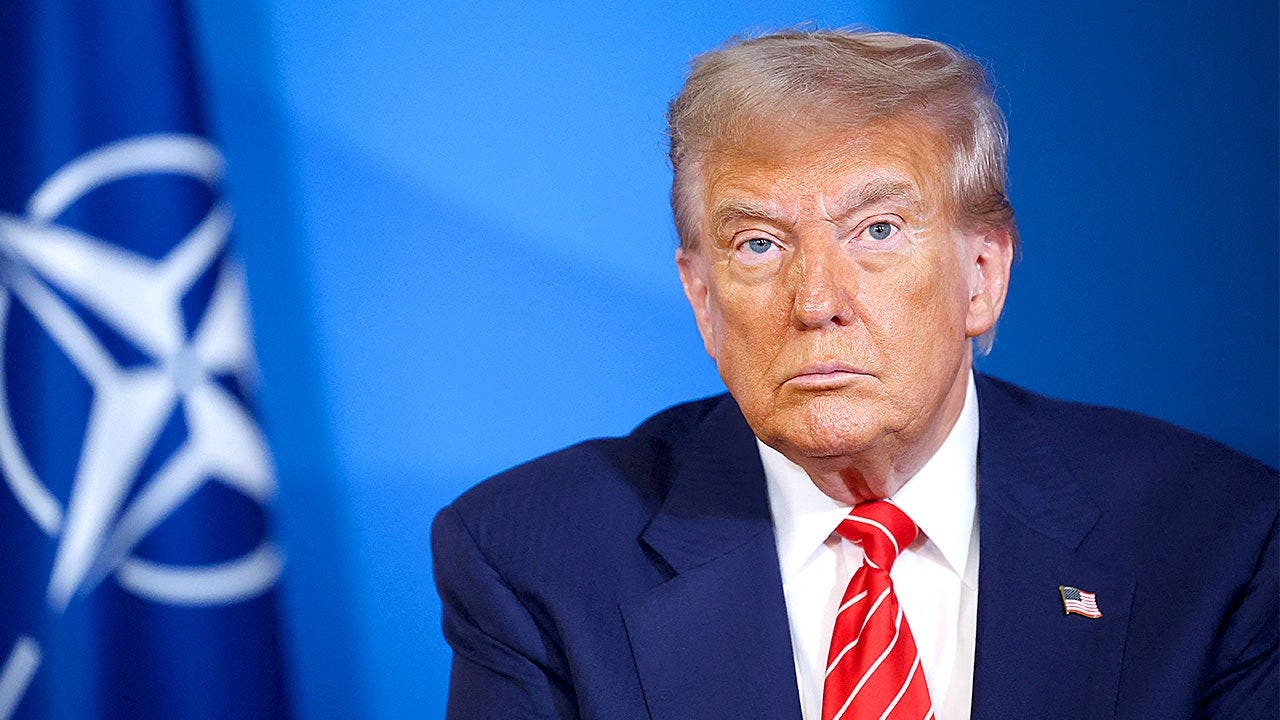
For decades, Europe counted on the United States not only to join a major war but to run it. America supplied commanders, logistics, intelligence, airpower, nuclear deterrence, reinforcement paths, satellites, refueling planes and networks that powered NATO in crises. European partners offered troops and territory, but the U.S. system bound the alliance.
That dynamic is shifting.
Trump's NATO changes go beyond demands for higher spending. They alter who plans battles, shifts forces, guards flanks and delivers arms if trouble hits while Washington looks elsewhere.
The 2026 National Defense Strategy spelled out the deal: Europe stays allied with the U.S., but no longer tops the list for American forces. Iran's moves sped up that shift.
Now NATO's structure reflects it. In February 2026, shortly after the strategy's release, allies reassigned senior roles. Europeans took charge of all three major Joint Force Commands: the United Kingdom for Norfolk, Italy for Naples, and Germany and Poland for Brunssum.
Joint Force Commands sit between political calls and combat action. They handle war plans for threats like Russian pressure on the Baltics, Mediterranean flare-ups or Atlantic reinforcements. These hubs direct force movements, priorities and coordination of land, air, sea, cyber and logistics.
Placing Europeans in all three marks a step-up in their duty for regional wars.
Brunssum covers the Eastern Flank near Russia, including Poland, the Baltics and the Suwałki Gap. Germany and Poland leading there pulls Warsaw from frontline alerts and Ukraine support into NATO's heart.
Naples oversees the Southern Flank, from the Mediterranean and Balkans to North Africa, migration, Red Sea issues, energy paths and Middle East risks. Italy's role grows as Iran proves the south's importance to shipping, fuel and NATO.
Norfolk manages the Atlantic and High North, securing links from North America to Europe, plus Arctic, Nordic and sea routes.
The new setup spotlights Poland on the east, Italy in the Mediterranean, Britain on the Atlantic, Germany for logistics and industry, and Nordics in the High North and Baltics.
The U.S. holds SACEUR, NATO's top military post, plus commands for air, land and sea integration. Europe runs more regional operations; America controls sustainment, escalation and victory tools.
Troop plans match this. The U.S. will pull about 5,000 soldiers from Germany, including a brigade combat team added after Russia's Ukraine invasion and a planned Tomahawk battalion that Germans saw as a Russia check.
A brigade brings combat punch. Long-range fires hit deep enemy targets like command posts and supply lines.
NATO exercises underline the point. Steadfast Dart 26 drew over 10,000 troops from 13 nations to test rapid Allied Reaction Force deployment in Brunssum's zone. Amber Shock 26 moved 3,500 troops and gear into the Suwałki Gap. Cold Response 2026 involved 30,000 from 14 allies in Norway and Finland against Arctic threats.
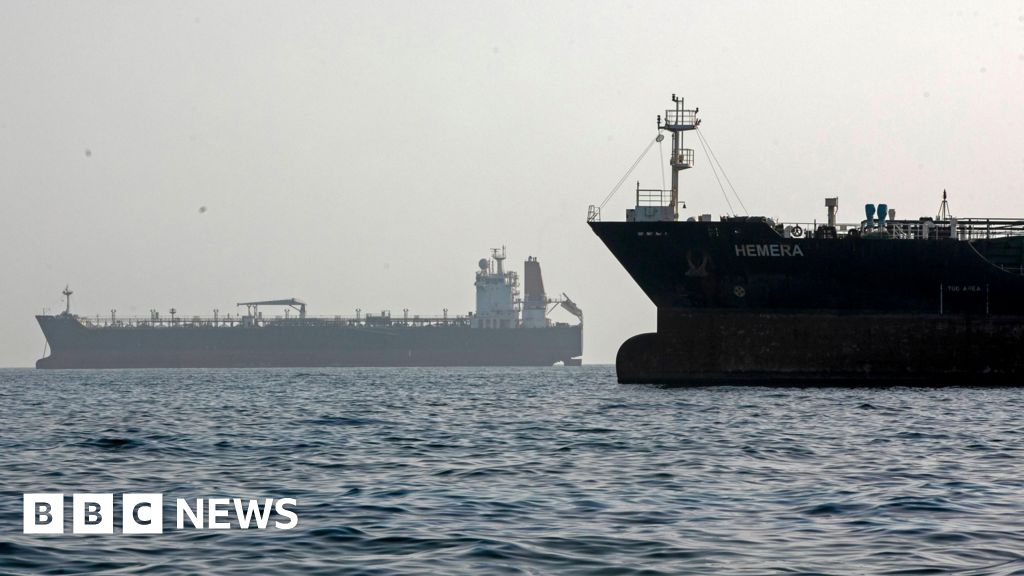
Iran's Hormuz actions hit Europe hard via oil, gas, shipping costs and inflation. The EU's Operation Aspides aided over 640 vessels in its first year, with more than 370 escorts, but used few top ships. Ministers balked at extending into the strait due to thin fleets, tight rules and risk aversion.
Gaps persist in air defense, with projects like European Sky Shield and IRIS-T SLM facing delays to 2028-2030. Drone efforts lag mass production seen in Ukraine, Russia and Iran. Ammo output aims for 2 million shells a year from 300,000, while aiding Kyiv and restocking.
Europe needs unified buying over national silos. Collaborative procurement hit just 18 percent of EU defense funds in 2022, below 35 percent targets, with post-Ukraine buys often from outside Europe.
Trump's push now turns cash into power: defenses, drones, shells, ships, logistics, space and factories.
The Pentagon locked it in. NATO's map changed. The old deal put America first in Europe; the new one boosts Europe's commands and conventional load while the U.S. keeps strategy.
What's Your Reaction?
 Like
0
Like
0
 Dislike
0
Dislike
0
 Love
0
Love
0
 Funny
0
Funny
0
 Wow
0
Wow
0
 Sad
0
Sad
0
 Angry
0
Angry
0






Comments (0)