

Kenya's AI Healthcare System Overcharges Poor, Undercharges Rich, Investigation Finds

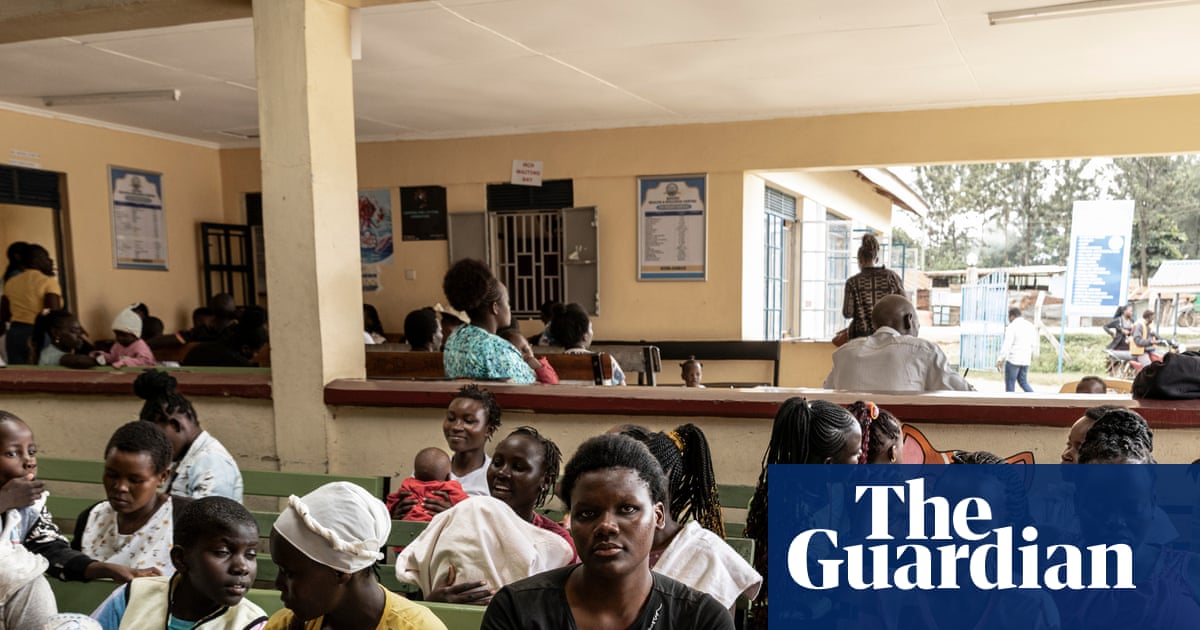
An AI system designed to predict what Kenyans can afford for healthcare has systematically raised costs for the poor, an investigation found.
The system, rolled out nationwide as a key promise by President William Ruto, launched in October 2024 to replace Kenya's decades-old national insurance. Marketed as accelerating digital transformation, it targets the informal economy—day laborers, hawkers, farmers and non-salaried workers who form 83% of the workforce.
"No Kenyan will be left behind," Ruto told a crowded stadium in Kericho during his 2023 presidential campaign, promising every citizen affordable healthcare.
Instead, the approach has triggered protests and anger. Healthcare contributions for millions now use a formula sources call flawed and lacking transparency. Ruto described it as AI-powered, but it relies on a predictive machine learning algorithm, not recent large language models like ChatGPT. It sets premiums through means-testing.
Reporters from Africa Uncensored, with Lighthouse Reports and the Guardian, spent months obtaining system details and auditing it. Their findings show it overcharges the poorest Kenyans by overestimating incomes and undercharges the wealthy by underestimating them.
Grace Amani sits in homes daily, asking odd and intrusive questions: toilet type, roof material, radio ownership. Residents answer on phones—pit latrine, iron-sheet roof, no radio. The algorithm then sets the household's annual public health insurance payment. The mother of 10 says it punishes the least well-off.
Amani registers Nairobi's poorest, yet most get fees they cannot pay—often 10% to 20% of meager incomes. She has seen ill people denied treatment for lack of funds. "People are dying, people are suffering," she said.
These are the people the government said would benefit most, with lowest incomes facing minimum premiums or full coverage. "They thought it was something that would help them," Amani said.
Since launch, the Social Health Authority (SHA) has drawn criticism for misclassifying people and setting unaffordable premiums. Those without private insurance who skip payments risk denial at facilities or big bills. "People are dying at home," Amani said. "Many people have been unable to go to hospital. Will they pay SHA, or pay for food, or pay for the small house they live in?"
Social media brims with complaints. One wrote of jumping from 500 Kenyan shillings (£2.90) to 1,030. A single mother posted, "God have mercy on me," after 3,500 Kenyan shillings monthly.
Health economist David Khaoya, who advised Kenya's health ministry, said officials knew the flaws but prioritized assessing the rich accurately, even at the poor's expense. "If you identify a richer person as poor and therefore ask him to pay less, this person will never own up and say, 'I'm actually supposed to be paying more,'" he said.
The system uses proxy means testing (PMT), a World Bank staple estimating poor incomes from possessions, children and living conditions. PMT appears in World Bank programs across Africa, Asia and the Pacific, often tied to loans.
Volunteers like Amani visit homes nationwide, logging roofing, livestock and children for the opaque algorithm.
The audit tested thousands of real households. It overestimated means repeatedly, like doubling two farmers' income for having electricity and owning their house.
Similar systems spread globally, pushed by the World Bank, to target cash transfers and subsidies for informal workers. But researchers like Stephen Kidd say they fail, miscategorizing most. One Indonesian scheme excluded 82% of targets; Rwanda's erred 90%.
In Kenya, SHA overcharges over half of poor households and underestimates high earners. Kidd cited poverty's fluidity and imprecise proxies like iron roofs. These algorithms also erode trust. "It feels like a lottery," he said. "The lottery is not a great way of building trust."
A pre-launch report by IDinsight, shared with the government, called SHA flawed and inequitable for low-income homes. It over-represented middle-income data, ignored poverty pockets and ignored economic shocks. Kenya deployed it anyway. Of 20 million registered, only 5 million pay regularly. Hospitals report deficits from unpaid reimbursements.
In March, former deputy president Rigathi Gachagua predicted SHA's collapse in six months.
Dr. Brian Lishenga, chair of Kenya's Rural and Urban Private Hospitals Association, heard of PMT at a Naivasha conference. Now a sharp critic, he calls it a failed experiment. "It's a really poor tool for identifying poor households. It's a great tool for helping the government run away from responsibility. A very great tool for that."
* Name has been changed to protect her identity
What's Your Reaction?
 Like
0
Like
0
 Dislike
0
Dislike
0
 Love
0
Love
0
 Funny
0
Funny
0
 Wow
0
Wow
0
 Sad
0
Sad
0
 Angry
0
Angry
0








Comments (0)