

Hantavirus Outbreak on Atlantic Cruise Ship Kills 3, Prompts WHO Probe

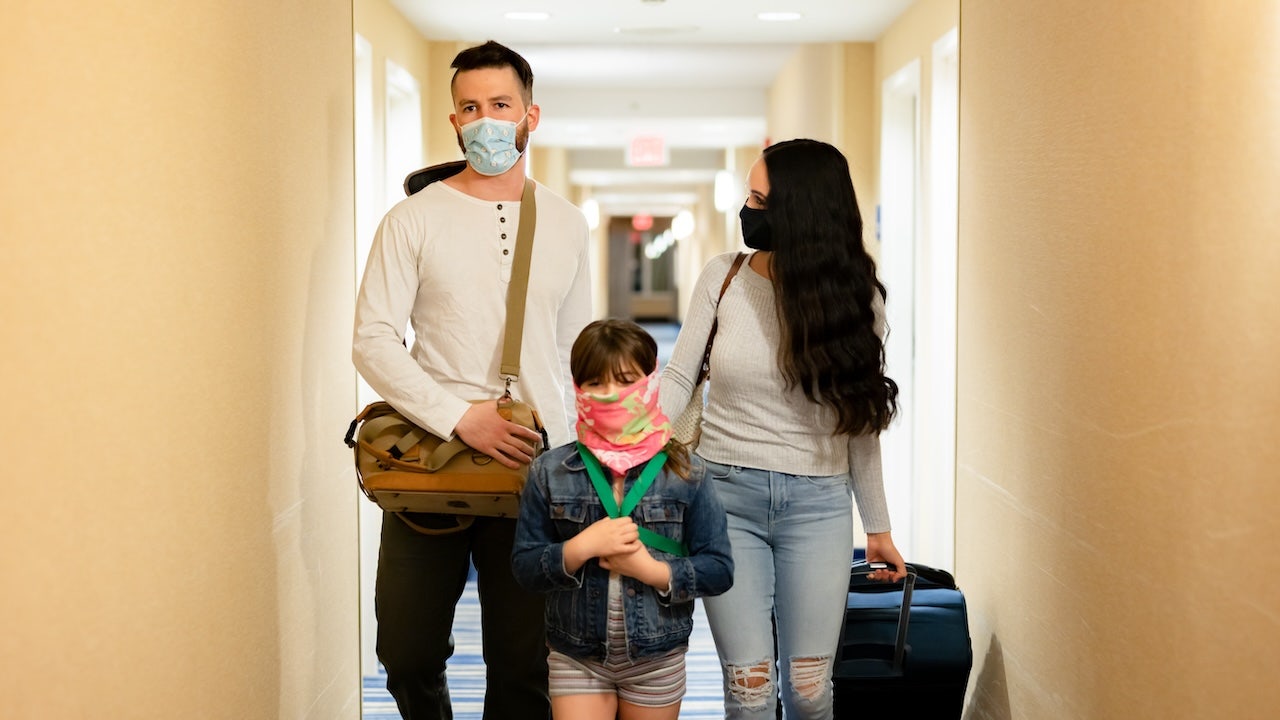
A hantavirus outbreak on a cruise ship in the Atlantic has killed at least three people and left five others with suspected cases. The World Health Organization is investigating as officials delay medical evacuations.
The rodent-borne virus typically spreads through contact with infected droppings, saliva or feces that become airborne near contaminated surfaces, said Dr. Carrie Horn, chief medical officer at National Jewish Health in Colorado. "It most often gets into the air when the rodent nest is disturbed, such as when being cleaned up. It is then inhaled into the lungs," Horn told Fox News Digital.
Experts said the ship's close quarters could have increased risks. Horn noted it is technically possible for the virus to aerosolize through ventilation systems. Passengers cleaning up after a rodent infestation could also become infected, she added, though the risk remains low. Exposure off the ship or eating contaminated food represent other possibilities, but inhalation poses the greater threat.
Dr. Jacob Glanville, CEO of Centivax in San Francisco, said infected mice on board or human-to-human transmission from an Andes strain could explain the cases. The ship had stopped in South America, where such lethal strains occur. "Otherwise, there is a small but high-consequence risk of creating a lethal international outbreak," Glanville warned Fox News Digital.
Dr. Marc Siegel, Fox News senior medical analyst, said hantavirus almost always needs a rodent vector, though rare cases involve contaminated materials or bites. All three experts agreed the risk to the public stays low. "This is a very unusual situation," Horn said.
Glanville cautioned that human-to-human spread, while inefficient even with the Andes strain, could change with a new mutant. New cases among non-passengers would raise alarms. The virus carries a 30% to 50% fatality rate, a one- to six-week incubation period and potential for droplet transmission.
Symptoms start with fever, muscle aches, fatigue and headaches, then progress to cough, shortness of breath and lung fluid buildup. Flu-like illness can give way to breathing trouble, oxygen needs and hospitalization, Horn said. Some patients suffer vomiting, diarrhea or impacts to the heart, lungs and kidneys. Elderly victims on the ship faced worse outcomes.
Travelers should steer clear of rodent areas, especially dusty enclosed spaces with infestation signs. Experts recommend filtered masks for cleanup, handwashing, surface disinfection and avoiding rodent contact.
What's Your Reaction?
 Like
0
Like
0
 Dislike
0
Dislike
0
 Love
0
Love
0
 Funny
0
Funny
0
 Wow
0
Wow
0
 Sad
0
Sad
0
 Angry
0
Angry
0











Comments (0)