

Gen Z and Gen Alpha Reshape Snack Preferences with Focus on Natural Ingredients

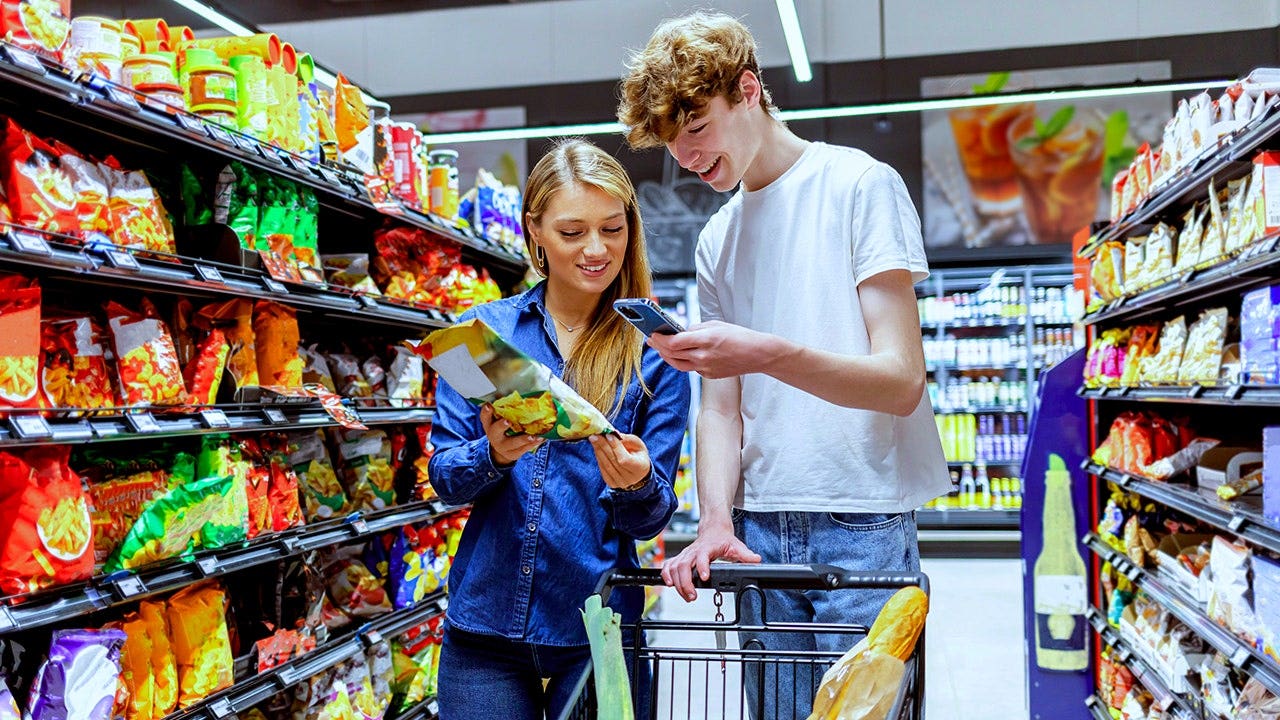
Younger consumers are changing America's snack habits, with Gen Z and Gen Alpha favoring products with simpler ingredients, more nutrition and lower costs, NielsenIQ data shows.
Thirty-five percent of parents buying snacks for households with Gen Alpha children, born after 2010, prioritize natural ingredients. Another 34% seek high-protein options, according to NielsenIQ data reported by the National Association of Convenience Stores.
"The baseline for Gen Alpha is a better product," said Chris Costagli, vice president of thought leadership at NielsenIQ. "It's a cleaner product. It's a more transparent product."
About 25% of consumers overall look for snacks without synthetic additives, including dyes, NielsenIQ found.
Regulators are acting too. The Food and Drug Administration plans to ban Red Dye No. 3 from food and drinks starting in 2027.
Brands are adjusting ingredients and marketing in response. Protein-packed snacks top trends for 2026, along with products offering gut health benefits, Innova Market Insights reported via Fast Company.
Shoppers scrutinize labels for organic and gluten-free certifications and simpler lists. Younger ones question brands more.
"Young consumers are moving away from traditional brands because they don't trust them unconditionally," said Hana Ben-Shabat, author of "Gen Z 360" and founder of Gen Z Planet in New Jersey. "They question ingredients and marketing claims, and increasingly rely on third-party sources, influencers and reviews to decide what to buy."
Gen Z shoppers use apps like Yuka and Fooducate to scan barcodes more than older generations do. Nearly 30% trust these tools over product labels, NielsenIQ data shows.
Some brands simplify labels or highlight transparency. "Gen Z and Gen Alpha want to know what's actually in what they're eating or drinking, and they want that information upfront," said Mitchell Madoff, head of retail partnerships at Keychain, a Texas-based AI platform for packaged goods.
He cited RXBAR, which lists ingredients on the front of its protein bars.
Social media influences purchases. "If they want to know about a product, they're checking TikTok or Instagram to see what people are saying," Madoff said. "When something goes viral and is backed by creators they trust, it doesn't just trend. It flies off shelves."
Gen Z buyers pick smaller packages despite higher per-unit costs. Brands like Poppi prebiotic soda gain from online buzz and influencers, he said.
Economic pressures factor in. Many Gen Zers choose smaller packs but spend more on perceived healthier snacks, NACS reported.
Snack demand stays strong despite the shifts.
What's Your Reaction?
 Like
0
Like
0
 Dislike
0
Dislike
0
 Love
0
Love
0
 Funny
0
Funny
0
 Wow
0
Wow
0
 Sad
0
Sad
0
 Angry
0
Angry
0










Comments (0)