

FAA Tests AI System to Predict Air Traffic Congestion Weeks Ahead

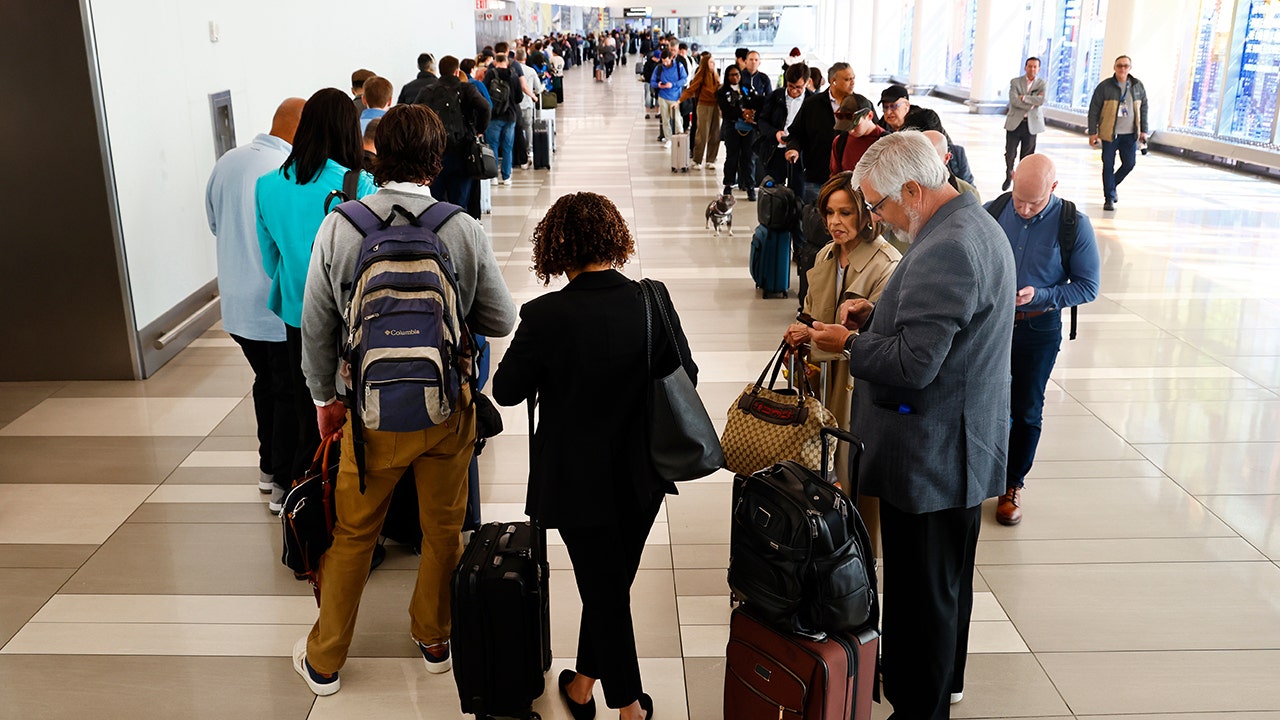
The Federal Aviation Administration is testing a new artificial intelligence system to predict air traffic congestion weeks in advance.
Called Strategic Management of Airspace Routing Trajectories, or SMART, the software analyzes flight patterns and suggests minor schedule adjustments, such as shifting a flight five or 10 minutes earlier. U.S. Transportation Secretary Sean Duffy said the system lets planners identify problems early and smooth schedules before delays pile up.
The project carries a $12 billion price tag as part of broader efforts to modernize the nation's air traffic control infrastructure, which has seen tens of billions in federal funding.
Private companies Palantir Technologies, Thales SA and Air Space Intelligence are competing to develop the system. Palantir has confirmed its work with the FAA to supply analytics tools for aviation safety and efficiency.
Supporters argue SMART can detect patterns humans overlook, like routes that clog at certain times of year, allowing schedule tweaks before tickets go on sale. This could lead to fewer last-minute delays.
Critics point to risks from AI errors, including hallucinations that produce confident but incorrect outputs. The FAA's prior NextGen program cost $36 billion over two decades but delivered just 16 percent of promised benefits, according to federal reports.
Duffy emphasized that SMART will assist human controllers, not replace them. Still, errors in AI-driven scheduling could affect thousands of flights.
Travelers might see subtle changes, like more spread-out departure times or steadier routes, if the system deploys. Success could ease gate delays, while failures might disrupt trips.
What's Your Reaction?
 Like
0
Like
0
 Dislike
0
Dislike
0
 Love
0
Love
0
 Funny
0
Funny
0
 Wow
0
Wow
0
 Sad
0
Sad
0
 Angry
0
Angry
0










Comments (0)