

FAA Releases 2026-2028 Plan to Hire Thousands of Air Traffic Controllers Amid Shortages

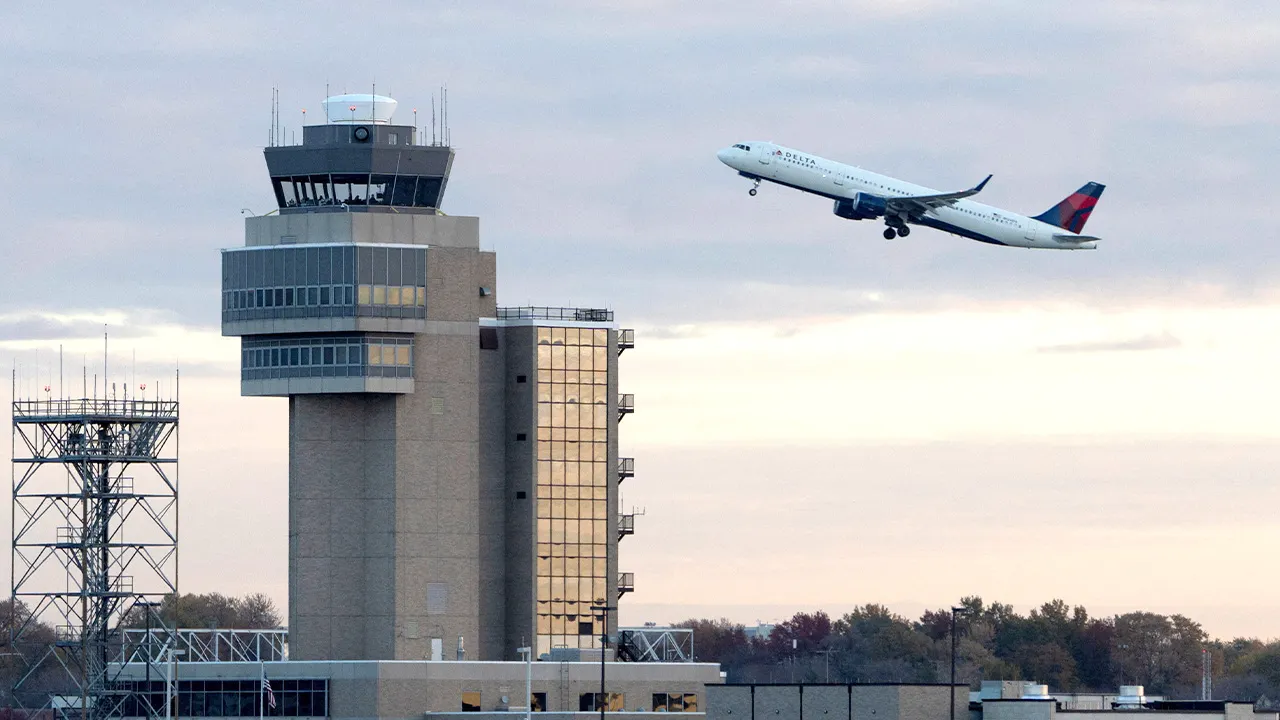
The Federal Aviation Administration unveiled a new workforce overhaul Friday to address chronic staffing shortages, excessive overtime and aging technology in the nation's air traffic control system.
The 2026-2028 Air Traffic Controller Workforce Plan calls for hiring thousands of new controllers, modernizing scheduling systems and replacing aging infrastructure across the National Airspace System.
FAA Administrator Bryan Bedford warned lawmakers months ago that air traffic control towers would "never" reach full staffing levels under the current structure. "We'll never catch up," Bedford said during a December congressional hearing. "The system is designed to be chronically understaffed."
The plan arrives amid increased scrutiny of aviation safety after airport disruptions, delays and close-call incidents that have prompted questions about whether air traffic control infrastructure can keep up with rising travel demand.
"This forward-thinking plan delivers on President Donald J. Trump's promise to provide the American flying public with a world-class air traffic control system, and that starts with highly trained, professional air traffic controllers," Bedford said in a statement. "We can't continue to operate the same way and expect better results," he added. "We're changing how we hire, train and schedule our controller workforce — and providing them with the state-of-the-art tools they need to succeed."
The plan sets a full staffing target of 12,563 certified professional controllers based on forecast demand. As of April 2026, the agency had roughly 11,000 certified professional controllers across more than 300 air traffic facilities. It also had 4,000 controllers in training, including about 1,000 who were previously fully certified but now training at new facilities.
Full certification of a new-hire controller can take more than two years, depending on the facility's complexity.
The agency plans to hire 2,200 new controllers in fiscal year 2026, 2,300 in 2027 and 2,400 in 2028. It will expand partnerships with colleges, universities and technical schools.
The plan acknowledges the strain of excessive overtime. "Use of a limited amount of overtime is a reasonable means of addressing unexpected variances of work demands," it states. "However, the levels reached in FY 2023 – FY 2025 far exceed any reasonable use of mandatory overtime."
"Chronic use of overtime leads to fatigue, controller burnout and ultimately loss of retention," the report says.
Workforce scheduling and timekeeping remain manual at local facilities. "It is difficult to understand why no automation tools have been deployed to schedule our workforce or track time, attendance and functional work accomplished," the report states.
Improving average controller time on position from four hours to more than five hours per eight-hour shift could meet current staffing targets, the FAA said.
The plan also calls for replacing decades-old infrastructure with a fully digital system, expanding simulator-based training and using artificial intelligence and machine learning to manage air traffic demand.
Lawmakers raised concerns in Bedford's December testimony about aging FAA systems, including floppy disks at some facilities. "When you're still using floppy disks, that makes everybody less safe, that makes the agency less effective," Rep. Brad Knott, R-N.C., said.
Rep. Laura Gillen, D-N.Y., said she saw floppy disks in use during a visit to the FAA's terminal radar approach control facility on Long Island, which handles traffic into major New York-area airports.
Bedford told lawmakers the FAA had committed more than $6 billion of $12.5 billion from Trump-backed legislation, including investments in telecommunications and new radar surveillance systems.
The plan will replace "decades-old, unreliable, analog infrastructure" with a "fully digital network system" to improve reliability and reduce outages.
It builds on fiscal year 2025 hiring, when the agency added 2,028 trainees, the most since 2008. Starting salaries for academy students rose nearly 30%, with financial incentives for completion.
Total workforce losses in fiscal year 2025 reached 1,460, including retirements, resignations, promotions, removals, training failures and academy attrition. Nearly 400 retirement-eligible controllers stayed through a new bonus structure.
The Transportation Research Board of the National Academies found 30% of FAA facilities staffed more than 10% below targets, with another 30% 10% or more above.
Prior disruptions like sequestration, shutdowns and the COVID-19 pandemic affected staffing, especially at major airports. Officials said the shortage will persist despite new hires, given training times, retirements and rising demand.
What's Your Reaction?
 Like
0
Like
0
 Dislike
0
Dislike
0
 Love
0
Love
0
 Funny
0
Funny
0
 Wow
0
Wow
0
 Sad
0
Sad
0
 Angry
0
Angry
0









Comments (0)